
For more than thirty years, the French Public Health Barometer has collected the behavior, opinions and knowledge of the population. Result ? In 2024, depression, alcohol, sedentary lifestyle and insomnia will still hit many French people… and their overall form remains very marked by social inequalities.
Social inequalities have a strong impact on the health of the French
For this 2024 edition, 35,000 people aged 18 to 79 were surveyed, around 20 major public health issues (consumption of alcohol, tobacco or electronic cigarettes, sedentary lifestyle, sleep time, adherence or not to vaccination, etc.).
The population’s knowledge and practices on subjects such as heat waves, antibiotic resistance or tick bites were also analyzed.
Conclusion: in reality, even if most individuals declare “doing well”, the barometer highlights numerous socio-economic inequalities (level of diploma, socio-professional category and even financial situation) which weigh on the physical and mental health of the French.
Thus, if 68% of French people believe they have “good” or “very good” health, this figure rises to 82.5% among those who are financially comfortable, but falls to only 50.4% among people in financial difficulty.
Interestingly, however: these inequalities are not always to the detriment of the same social categories:
- Smoking and complaints of insomnia concern more disadvantaged social categories;
- Exceeding alcohol consumption benchmarks and a sedentary lifestyle concern more the most advantaged social categories.
What can we learn from these results?
This investigation reveals both “encouraging news” and of “great challenges”, estimates Yann Le Strat, scientific director of Public Health France. Indeed, out of the 35,000 participants surveyed, it appears that:
- Nearly a third of French people surveyed (32%) believe they are not in good health, with a higher prevalence among women. Additionally, a quarter of adults report that their health limits or severely restricts their daily activities.
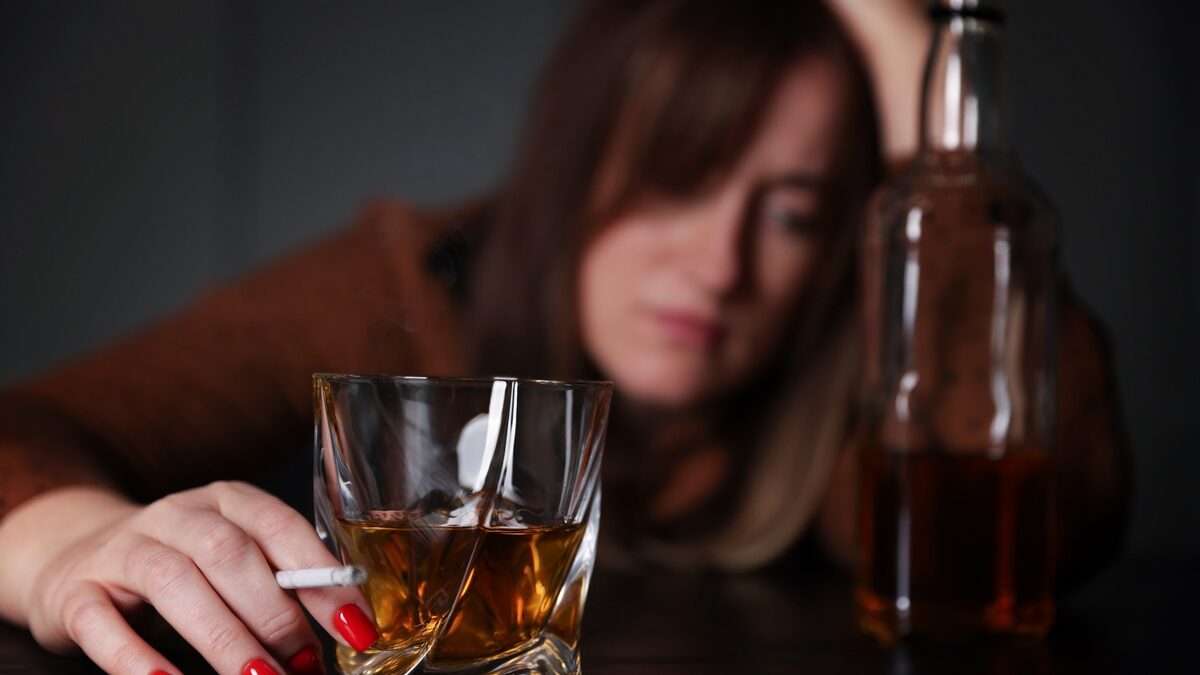
- Concerning alcohol, more than one in five French people (22%) admit to having exceeded the “lowest risk consumption benchmarks” (two drinks per day, not every day) during the previous week. This overconsumption affects twice as many men (30%) as women. Executives are also twice as concerned as employees, with 30% of them exceeding recommendations.
- Tobacco consumption is experiencing positive developments: there are now four million fewer smokers than ten years ago, but 17% of French people still smoke daily. Half of them want to quit.
- Sleep is, for its part, satisfactory: the French sleep on average 7 hours 32 minutes, thus respecting health recommendations.
- On the other hand, physical activity leaves something to be desired. More than a quarter of the population sits for more than seven hours a day, a proportion that reaches half of executives and students. This sedentary lifestyle increases the risk of being overweight and chronic diseases, such as diabetes.
- On a mental level, one in six French people will have gone through a depressive episode in 2024. This phenomenon particularly affects those under 30, women and people in financial difficulty.
Finally, the study reveals that people with the least qualifications or those in a precarious financial situation accumulate health risk factors. For example, 15% of people in financial difficulty have already suffered from hunger without being able to eat properly, underlines Public Health France.
“However, these inequalities are not inevitable. The fight against smoking, for example, has reduced the number of smokers by 4 million in ten years. Proof that targeted policies and prevention actions based on solid data work. Faced with demographic and climatic challenges, Public Health France acts at all levels: personalized digital tools, awareness campaigns or partnerships with local authorities. Our objective is clear: to make environments more favorable to health, for everyone and everywhere”, concludes the public health agency.