
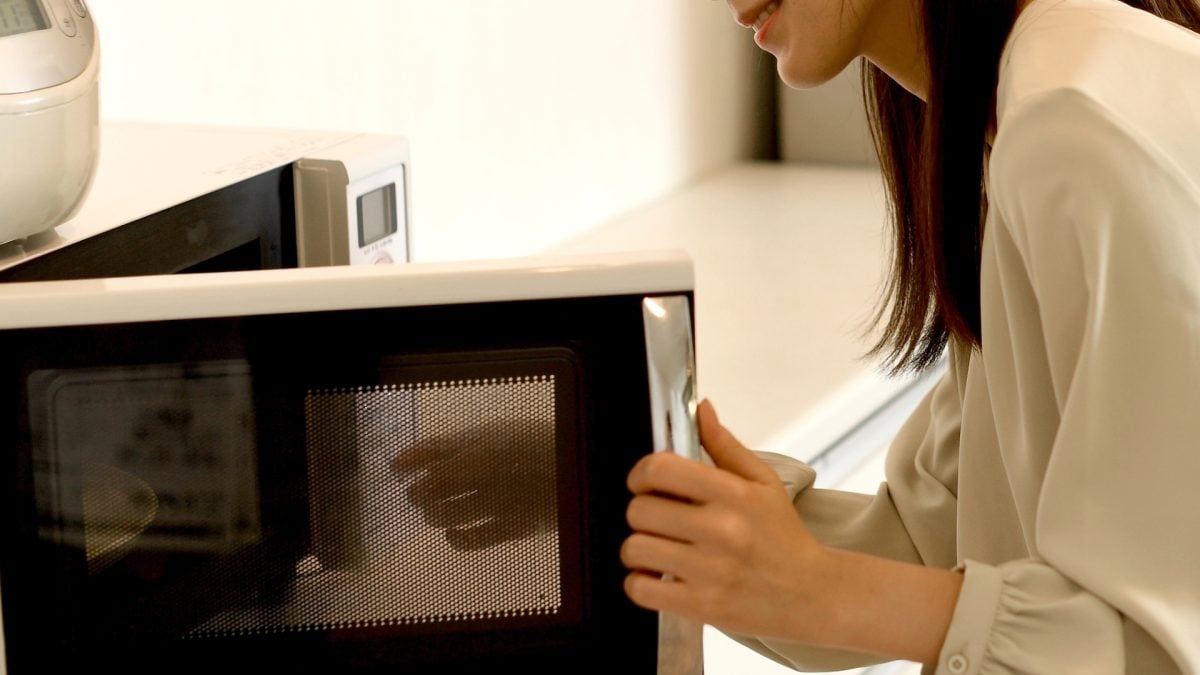
Is the microwave your best friend in the kitchen? You will have to do without it (for certain foods)… In fact, it can cancel out the benefits of good nutrients, and sometimes even make them toxic. Despite the time savings that this cooking method offers, it is necessary to be aware of the little-known dangers of microwaves.
Spinach
Spinach contains nitrates, compounds that can become harmful when heated to high temperatures, such as in the microwave. Under the effect of heat, these nitrates can transform into nitrosamines, substances recognized for their carcinogenic potential. To limit this risk, it is advisable to prepare just enough spinach for a meal, thus avoiding leftovers to be reheated later.
Rice
“If you cook your rice in the morning and store it in the refrigerator in the evening to eat it the next day, there is a huge risk of Bacillus cereus forming.“, warns Harini Bala, a dietician of Indian origin, on TikTok. This microorganism can cause food poisoning known as “fried rice syndrome” and, in the most severe cases, lead to death. To prevent this risk, it is essential to quickly transfer the cooked rice to an airtight container and place it in the refrigerator within two hours of cooking.
Tea
The antioxidant properties of tea degrade when it is reheated, reducing its health benefits. Additionally, reheating encourages the proliferation of bacteria, which become more active as the temperature increases. To fully enjoy your tea, consume it while it is still hot and make sure you have time to savor it in one sitting.
More generally, reheating food or drinks in the microwave is not the ideal method. It is best to eat your dishes immediately after cooking or to reheat leftovers in a hot pan or saucepan. Although microwaving is convenient, it can pose health risks, including compromising the nutritional quality of food. “Generally speaking, cooking at too high a temperature destroys some of the nutrients such as vitamin C.“, specifies Alexandra Murcier, nutrition expert.
She adds: “Food should not be heated in plastic containers, as they can potentially release endocrine disruptors which further contaminate food with heat.“
Furthermore, the microwave sometimes heats unevenly, which can create cold areas conducive to the proliferation of bacteria.