
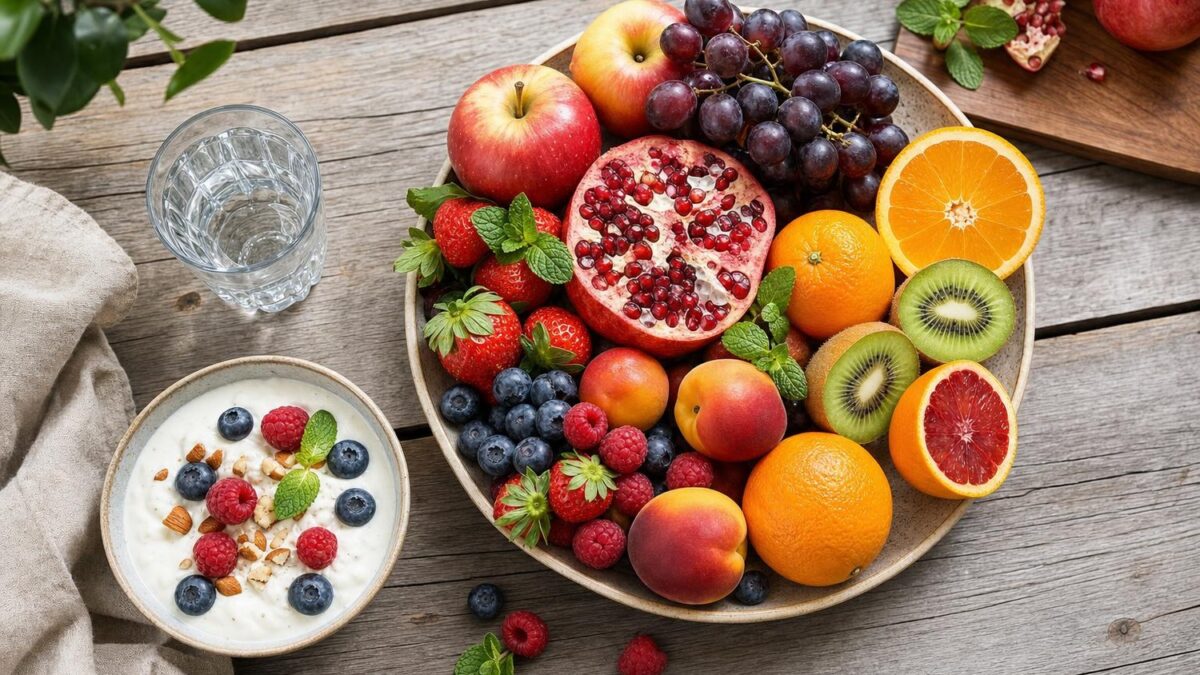
Inflammatory diseases, digestive disorders and even cardiovascular diseases are on the rise all over the world. Faced with this observation, diet remains one of the most accessible daily actions to preserve one’s health. In an article published by
Harvard Health Publishingthe Harvard University health service highlights six families of fruits whose natural compounds help support the intestinal microbiota and limit inflammatory phenomena.
Their interest is not based solely on their richness in vitamins. Fibers, polyphenols and other antioxidant compounds nourish intestinal bacteria and participate in many of the body’s protective mechanisms. As Harvard Health Publishing points out, “eating several fruits a day can increase antioxidant activity because fruits are particularly rich in anti-inflammatory compounds, which play an important role in protecting our bodies against heart disease, diabetes and some forms of cancer and intestinal diseases“.
The 6 fruits recommended by Harvard to support the intestinal microbiota
Harvard recommends favoring daily consumption of a variety of fruits, with a goal of 1.5 to 2 cups per day. The interest lies above all in regularity rather than one-off consumption in the form of a “cure”. Here are the 6 fruits to favor.
The berries
Berries are known for their richness in anthocyanins, natural pigments with antioxidant properties.
Apples
Apples provide pectin as well as quercetin.
The pomegranate
Pomegranate contains punicalagins transformed by the intestinal microbiota into urolithins.
The grape
Grapes provide resveratrol, a polyphenol widely studied for its potential effects on inflammation.
Why preserving the skin of these fruits can make a difference
Recent research devoted to intestinal health shows that the skin concentrates a significant part of the prebiotic fibers, vitamins and polyphenols present in fruits. Peeling too thickly can remove up to 25% of certain nutrients depending on the fruit in question and how it is prepared.
For apples, pears, plums or even grapes, keeping the skin when it is properly washed provides more fiber to the bacteria present in the colon.
The possible presence of pesticide residues nevertheless requires some precautions. The recommendations favor careful washing under drinking water, accompanied by brushing for fruits with firm skin. A quick soak in water with a little baking soda or white vinegar, followed by rinsing and drying, also effectively cleans the fruit before consumption.
How to integrate these anti-inflammatory fruits into your diet
To consume them properly, it is advisable to divide these fruits between breakfast, snacks or desserts. This allows the microbiota to be regularly supplied with fiber and plant compounds.
Specialists also point out that it is preferable to favor the whole fruit rather than filtered juice. The latter contain much less fiber, although it is essential for the proper functioning of the intestinal microbiota and the balance of the digestive flora.