
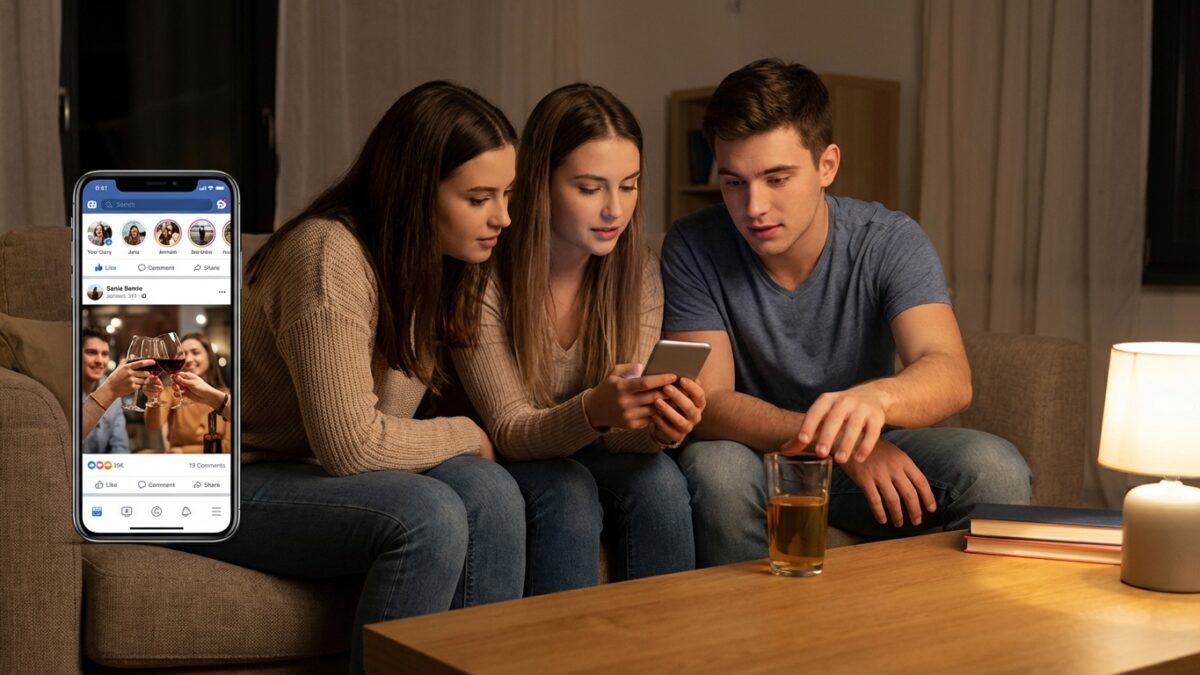
A couple of influencers chatting in the kitchen, a recipe in a story, a bottle of wine placed on the work surface. Nothing spectacular, just a scene from life like we see dozens of every day on Instagram or TikTok. In these images, however, one detail matters: the glass that is raised in front of the camera.
A study led by Rutgers Health and Harvard, published in the journal JAMA Pediatricswondered if this type of content is enough to make young adults want to drink. Researchers tested the effect of influencer posts showing alcohol on the immediate desire to consume among 18-24 year olds, with a result that questions our relationship with social networks.
An experience that recreates a real Instagram feed among 18-24 year olds
The researchers recruited 2,000 young American adults aged 18 to 24. Each participant was randomly assigned to one of two feeds containing 20 lifestyle influencer videos: for one group, each post showed positive alcohol consumption or portrayal; for the other, the same scenes were filmed without alcoholic drinks.
In one example, some saw a couple preparing dinner while sipping wine, while others witnessed the same scene with hot chocolate. “We wanted to go beyond association to establish temporal order, that is, participants’ desire to drink arose after watching the content“, said Jon-Patrick Allem, quoted by Euronews. For him, the videos showed “Just the daily life events of the influencers in the video“, he added.
A “watered” thread increases the desire to drink by 73%
After viewing, the participants indicated whether their desire to consumealcohol had changed. Those exposed to alcoholic content were 73% more likely to report an immediate increase in this desire than those who had seen the same
influencers without a glass in hand. The effect remained present regardless of consumption history, but it was reinforced among those who had drunk or experienced an episode of binge drinking in the last 30 days.
The study also shows that perceived credibility weighs heavily. When participants rated creators as “reliable, honest, and knowledgeable,” they were more than five times more likely to report an increased urge to drink after videos with
alcohol. The authors believe that given these results, clinicians should be aware of the role that social networks play in shaping alcohol-related attitudes and behaviors among young people.
Young people, prevention and alcoholic content on the networks
Although international studies indicate a general decline in alcohol consumption among adolescents and young adults, a minority continue to drink excessively. It is known that the earlier a person starts drinking, the more likely they are to experience alcohol-related problems later. Therefore, delaying the consumption of the first drink remains an essential prevention strategy, especially in an era where online platforms influence behavior.
Future research should examine the impact of repeated exposure to alcohol-related content on drinking intentions and habits over time, and whether this influence varies depending on the source of the content, whether brand advertisements, peer posts, or influencer posts.