
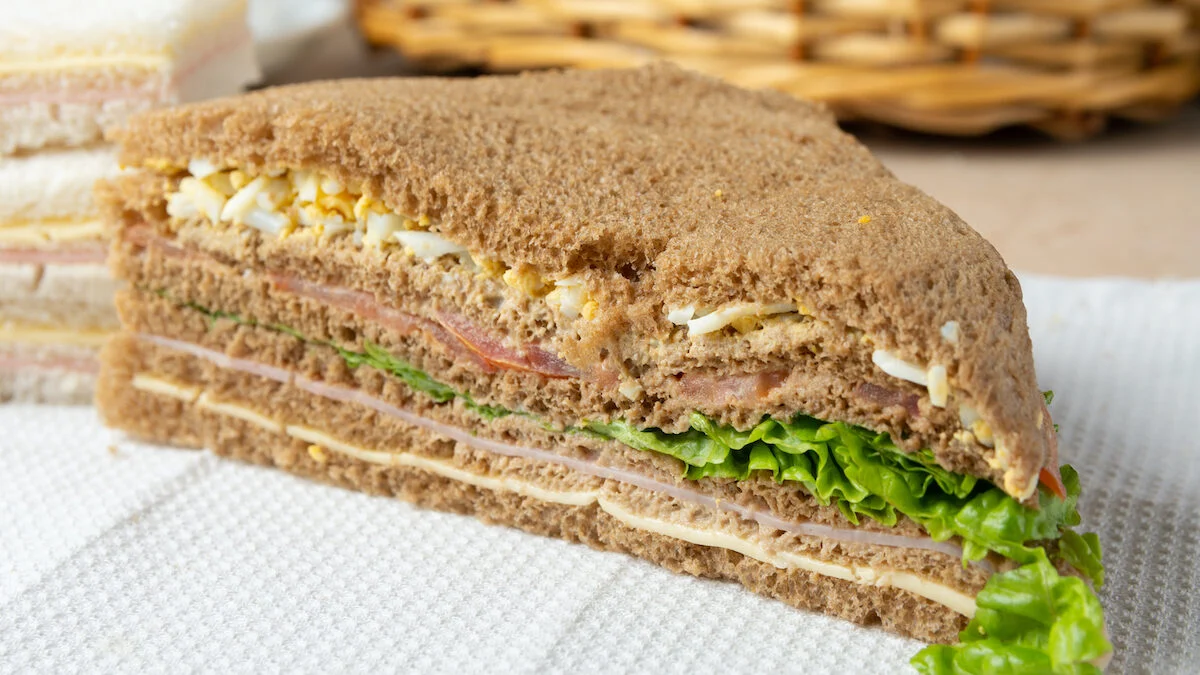
Wholemeal, multicereal, protein bread, “no added sugars”… Faced with the multitude of references that invade the shelves, choosing a healthy sandwich bread is sometimes a headache. However, three American dietitians were recently invited to decide: which bread is the most nutritionally interesting? Their response was unanimous.
According to Kaitlin Hippley, Brittany Brown and Alexis Law, the big winner is 100% sprouted whole wheat bread, a product that is still relatively discreet in France but whose nutritional qualities are attracting more and more attention.
The bread that everyone agrees on
The three experts compared the most common breads according to several criteria: fiber content, proteins, added sugars, salt and quality of ingredients.
Their verdict is clear: sprouted whole wheat bread comes out on top.
“The healthiest bread is the one that helps you achieve your overall health goals.”recalls dietician Alexis Law. However, according to specialists, sprouted bread combines several advantages: more fiber, more protein, better nutritional density and a more moderate impact on blood sugar than breads made from refined flours.
Why are sprouted breads so interesting?
Unlike classic white bread, 100% whole wheat bread retains all three parts of the grain: the bran, the germ and the endosperm. Result: it naturally contains more fiber, vitamins and minerals.
But the sprouted version goes even further.
“Sprouted grains are at their nutritional peak. These breads are higher in protein, fiber and omega-3 than traditional white or whole wheat breads”explains Brittany Brown.
The sprouting process also reduces certain compounds called anti-nutrients, which can limit the absorption of certain minerals. This transformation could also make the bread easier to digest for some people.
Which breads to choose in France?
Sprouted wheat bread is not as widespread in France as in the United States, but you can find interesting alternatives in supermarkets or organic stores.
Among the references often cited for their nutritional profile are wholemeal or wholemeal breads from brands such as Bjorg, Céréal Bio, Moulin des Moines or even certain sprouted grain breads marketed by Evernat in organic stores.
At the baker’s, choosing a real sourdough wholemeal bread, made from wholemeal or wholemeal flour, also remains an excellent option.
The criteria to check on the label
For Kaitlin Hippley, you shouldn’t just focus on calories.
“When it comes to calling bread healthy or not, calories don’t tell the whole story. To choose a healthier bread, my non-negotiable criteria are fiber and low added sugar.”
Concretely, specialists recommend looking for:
- At least 3 grams of fiber per slice;
- Between 3 and 5 grams of protein;
- Less than 200 mg of sodium per slice;
- As little added sugar as possible, ideally well below 8 grams.
Another helpful clue is to check that wholemeal flour or whole wheat is the first ingredient on the list.
An ally for blood sugar, weight and heart
Whole grain and sprouted breads are particularly appealing to people who are monitoring their blood sugar levels.
Thanks to their richness in fiber, they slow down the absorption of carbohydrates and limit blood sugar peaks after a meal. This effect also promotes satiety, which can help reduce snacking between meals.
Numerous studies also associate regular consumption of whole grains with a lower risk of cardiovascular disease, type 2 diabetes and certain chronic diseases when they replace refined grains.
Finally, some people suffering from digestive sensitivities report a better tolerance to sprouted or sourdough breads, even if this does not concern celiac disease, which requires strict avoidance of gluten.
So the next time you’re making a sandwich, the best choice isn’t necessarily the trendiest or highest-protein bread. Very often, a simple wholemeal bread, rich in fiber and made from whole grains, remains the safe bet for taking care of your health.