
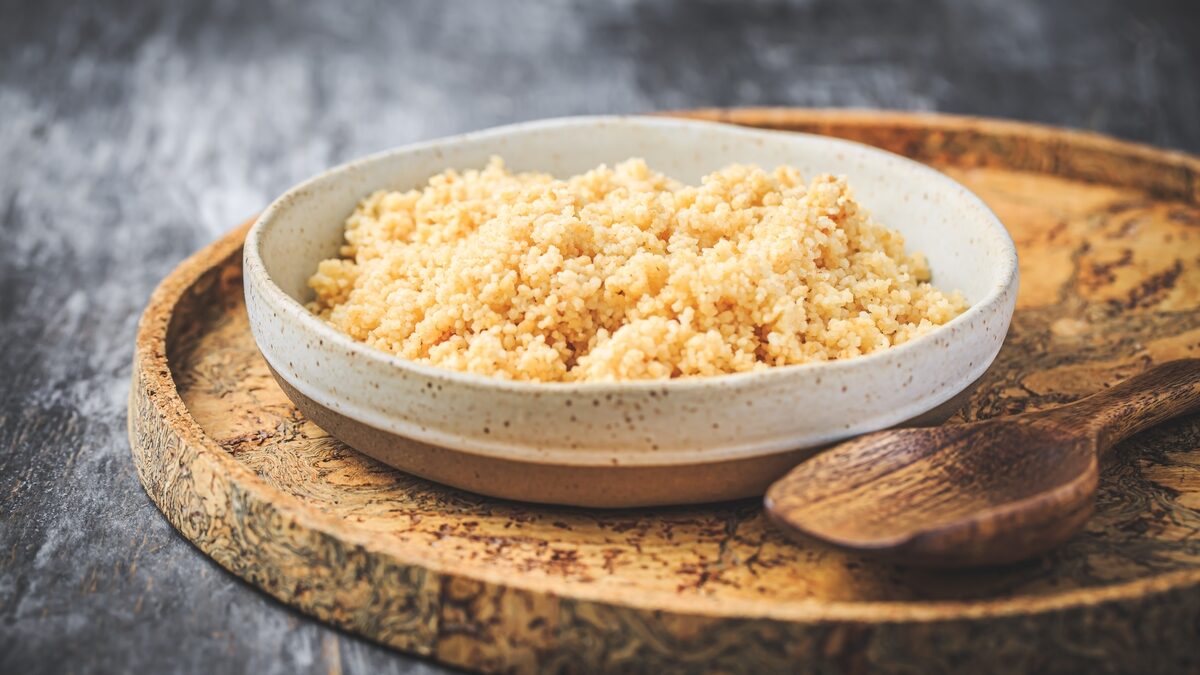
To eat more “balanced”, do you often add quinoa to your salads? Another cereal, less known but just as interesting from a nutritional point of view, also deserves its place on your plate.
Bulgur, a cereal rich in soluble fiber
Made from pre-cooked and then crushed wheat, bulgur retains many of the elements of the grain. It also provides B vitamins, magnesium, iron, phosphorus and complex carbohydrates.
“Bulgur is often less highlighted than quinoa, chia seeds or the famous “superfoods”, even though it is a very interesting food from a nutritional point of view,” confirms Julie Boët. “It also provides complex carbohydrates and generally has a relatively moderate glycemic index depending on its degree of processing, its cooking and what it is consumed with,” she specifies.
Another significant advantage of this cereal that is too often ignored: its richness in fiber, and in particular in soluble fiber, which limits the reabsorption of bile acids in the intestine – used to digest fats.
The body must then produce new bile acids and will mobilize more cholesterol to do so.which can help reduce LDL cholesterol circulating in the blood. underlines the nutritionist.
Despite these qualities, be careful not to make bulgur a miracle “anti-cholesterol” food. Oats and barley would thus seem more “effective”, “because their soluble fibers have the particularity of forming a sort of viscous gel in the digestive tract, which contributes to their action on cholesterol. continues Julie Boët.
A little extra on your plate
Ultimately, bulgur is nothing more and nothing less than a good food to include as part of a balanced diet.
“Bulgur is a good way to increase your daily fiber intake, while replacing overly refined starchy foods. This is where it becomes particularly interesting for our cardiovascular health“,
confides Julie Boët.
Replacing refined cereals (white bread, white rice, non-wholemeal flour, etc.) with less processed cereals also makes it easier to last until the next meal.
Finally, the low glycemic index of bulgur is also a serious asset.
“Bulgur generally causes a more gradual rise in blood sugar than a very quickly assimilated carbohydrate food. This slower digestion, associated with the presence of fiber, can promote better satiety and a more moderate glycemic response,” confirms the expert.
What to accompany bulgur?
No need to complicate your plate: everyday foods should be favored here.
“A bulgur accompanied by vegetables, a source of vegetable or animal protein such as chickpeas, lentils, fish, eggs or chicken, and a source of good fats such as olive oil or a few nuts constitutes, for example, a particularly interesting meal for cardiovascular health”, explains Julie Boët.
When eating, just pay attention to the quality of the fats consumed. When you already have cholesterol, adding saturated seeds to your plate (palm oil, fried foods, etc.) is not a very good idea.
“Eating bulgur will not compensate for a diet rich in cold meats, butter, pastries, cheeses or other foods high in saturated fats,” confirms the expert.
On the other hand, gradually replacing foods rich in saturated fats with olive oil, nuts, almonds or fatty fish, and making more room for foods rich in fiber, constitutes a good long-term strategy.
What if you don’t like bulgur? Rest assured: you have absolutely no obligation to consume it.
“Oats, barley, wholemeal bread, rye, legumes, fruits, vegetables and nuts can also be part of a diet rich in fiber,”
concludes Julie Boët.