
When prices skyrocket on the shelves, many households review the composition of their basket: less meat, less fish and more smart products to keep the budget.
In the fresh section, a food rich in animal proteins particularly stands out. It keeps for several weeks and allows you to prepare a quick dinner as well as a family cake.
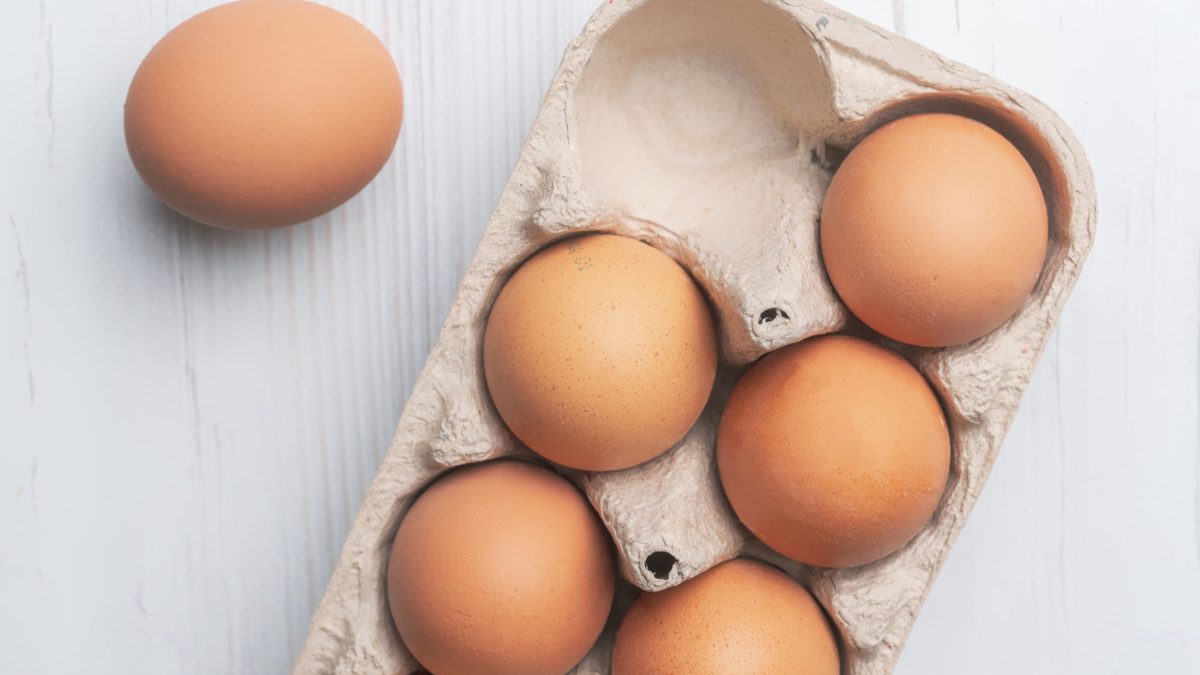
This essential product is quite simply eggs. Considered by a large majority of consumers as an anti-crisis product par excellence, the egg constitutes a cheap alternative for obtaining quality proteins while maintaining a reasonable carbon footprint.
A safe haven product to preserve your purchasing power
Faced with inflation, households are reducing the space for steaks and fish fillets, but without hesitation adding a box of eggs to their shopping cart. This simple gesture makes it possible to secure both weekly meals and breakfasts, without adding to the receipt. Concretely, with an average cost of around €0.26 per unit, two eggs only cost €0.52 for an adult portion.
For a family of four, the protein base of the meal is around €2.10, an unbeatable price compared to most meats and fish.
Beyond its attractive price, the egg shines with its versatility in the kitchen. Omelette with leftover vegetables, quiche without dough, hard-boiled eggs in a salad or yogurt cake: it fits into almost all recipes. It is a culinary base accessible to everyone, ideal for concocting a satisfying meal without the need for large equipment or a long list of ingredients.
What is the nutritional value of the egg?
The egg is not only economical, it is also excellent for your health. It provides proteins of high biological value essential for maintaining muscle mass.
As dietitian Alexandra Murcier explains: “Eggs are also rich in vitamin A, vitamin D, very rare in the diet, as well as choline, an essential nutrient for the brain and liver.
Faced with such benefits, can we consume them daily without risk? The answer is yes, provided you maintain a balanced diet. “Yes, you can eat it every day, as long as you vary your diet to cover all of your nutritional needs,” explains Alexandra Murcier. Integrated into diverse menus, the egg fits perfectly into a healthy daily diet.
Cooking method and tips to enjoy it every day
To fully benefit from its virtues, however, you should pay attention to the way you cook it. The egg contains good lipids, but its preparation can alter its quality. “Eggs naturally contain fat, including polyunsaturated fatty acids, which are very beneficial for cardiovascular health. The problem ? Cooking at high temperatures oxidizes lipids and degrades certain vitamins“, explains Alexandra Murcier.
It is therefore better to favor gentle cooking such as poached, soft-boiled or soft-boiled eggs.
On a daily basis, a few simple reflexes allow you to transform cupboard funds into complete and delicious meals:
- In a savory version: an omelette garnished with leftover vegetables, stewed eggs with a base of cream and canned tomatoes, or fried rice with egg;
- In a sweet version: homemade flans, creams or cakes, perfect for offering a healthy snack to children without giving in to industrial products.
In short, the egg is both good for the wallet and for the body. By adopting the right cooking methods and combining it with seasonal vegetables, you benefit from a complete, nourishing and particularly economical ingredient on a daily basis.