
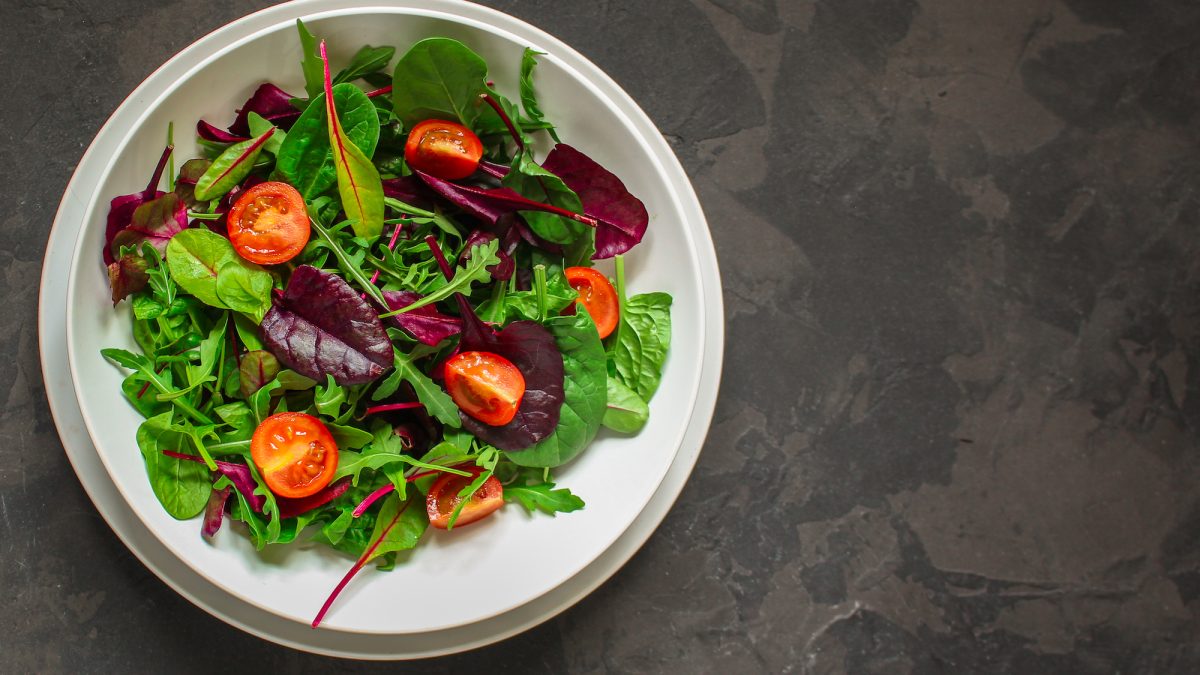
Among the foods capable of lowering blood pressure quickly, these vegetables stand out. According to several cardiologists, this leafy vegetable, rarely appreciated for its taste, would have a measurable impact on cardiovascular health in the two to three hours following its consumption.
Why spinach lowers blood pressure so quickly
In the media ParadeDr. Deepak Talreja, cardiologist at Sentara Health, says: “When we eat spinach, the body converts the natural nitrates it contains into nitric oxide, a molecule that relaxes blood vessels.“. This reaction leads to a reduction in vascular resistance and an improvement in blood circulation. Result: blood pressure drops quickly, without medication or special efforts.
Rich in natural nitrates, spinach is one of the rare vegetables to produce such a rapid effect on blood vessels. A study published in the journal
Hypertension demonstrated a significant reduction in systolic and diastolic blood pressure in hypertensive patients after the consumption of nitrate-rich vegetables. The effect, measurable after 2 to 3 hours, stabilizes and strengthens with daily consumption.
But that’s not all. Spinach is also an important source of potassium, an essential mineral that helps counteract the effect of sodium found in the diet. Here again, the heart benefits directly: “Potassium supports healthy blood pressure regulation“, explains Dr Talreja again.
How to consume spinach to benefit from its hypotensive effect
Dr. Talreja recommends one to two handfuls per day, or between 60 and 100 grams of fresh spinach, or about half a cup of cooked version. The goal is not to saturate the diet with spinach, but to integrate it intelligently into daily meals.
Here are some simple ideas for eating it easily:
- In salad, with a light lemon vinaigrette;
- Mixed in a green smoothie, with apple or banana;
- Sauteed with garlic in a drizzle of olive oil;
- Incorporated into an omelette, a frying pan or pasta;
- As an accompaniment to a curry or lentil dahl.
Taste-wise, if their bitterness slows some people down, it is possible to temper it with citrus fruits, dried fruits or a little mild cheese.
A natural ally but not a miracle cure
Cardiologists agree: spinach does not replace medical treatments. But they can be integrated into an overall strategy, alongside the DASH or Mediterranean diets, both known for their positive effects on heart health.
It is this balanced and varied food combination that makes the difference in the long term. By incorporating regular portions of spinach, hypertensive patients can expect additional natural support, in accordance with the recommendations of health professionals.
No wonder this green vegetable is gaining recognition on the plates of cardiologists!