
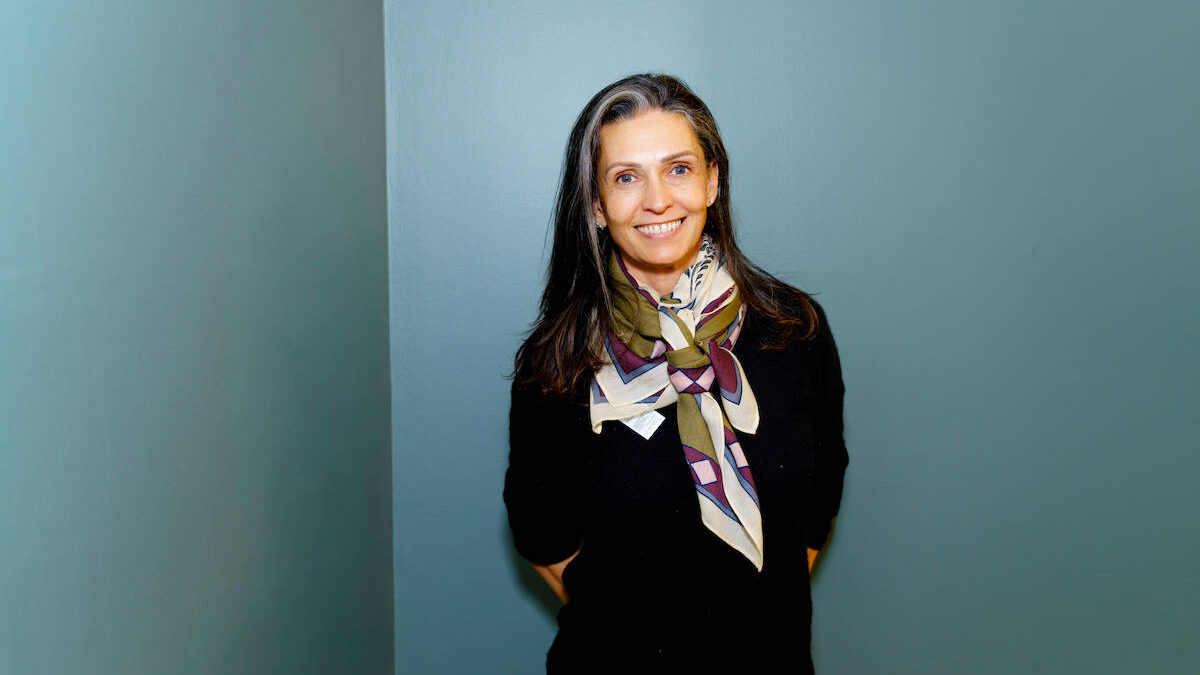
This Tuesday, January 27, on Instagram, the former star of “Sous le Soleil” Adeline Blondieau shared an intimate message with her subscribers. Her husband, about whom little is known, was affected by cancer, just a few months after their marriage. It is not to complain that the actress faces the camera, but to address a theme that is still too present: the taboo around illness, which nevertheless changes everything in one’s life and a family.
The word we dare not pronounce
“Cancer is undoubtedly the word in the French language that scares the most, but also shames,” confides Adeline Blondieau. “As a result, in families, when there is cancer, we don’t talk about it. Either because it’s shameful, or because we’re afraid of worrying others. But in fact, we have to talk about it.”
A clear message, carried with all the more force as it is lived. The actress also insists on the importance of intergenerational dialogue: knowing family history, daring to ask questions, passing on information to your children.
“Telling if there has been cancer in the family allows you to take greater responsibility in the way you take care of your health”she explains.
For the patient, do not be left alone with the announcement
For Pascal Anger, this speaking out is essential. “The news of cancer is an enormous emotional burden. We must not be left alone with this. Telling the truth, with simple words, is fundamental.”
According to the psychologist, speaking does not mean saying everything, right away, nor going into anxiety-provoking medical details. The main thing is elsewhere: avoid lying, answer questions, establish a climate of trust. “To say nothing is almost a betrayal for those close to you”he emphasizes.
Expressing the reality of the illness also allows loved ones to understand variations in energy, fatigue, moments of collapse as well as those of renewed strength. “When those around you are informed, they can provide better support, without judging or misinterpreting”, specifies Pascal Anger.
Talk about it to support… and be supported
It is true that saying the word “cancer” often awakens the fear of death, both in the patient and in their loved ones. However, silence is isolating. “The hardest part is often the moment of announcement. But it is also through it that support can be put in place”explains the psychologist. Speaking means freeing yourself from stress, doubts, anxiety, and allowing others to be present.
He also recommends choosing a calm moment, talking about it first to a small circle, then gradually expanding. The objective: to preserve each other, while building collective support.
Lift the taboo to save lives
A point confirmed by Dr Gérald Kierzek, medical director of True Medical. “The word ‘cancer’ causes fear and shame. It is often silenced for fear of stigmatization. However, talking about it helps to calm down and direct the discourse towards prevention.”
According to the doctor, public speech, particularly that of personalities, plays a key role. It normalizes the disease, reduces the feeling of shame and encourages early detection. “Sharing means encouraging others to consult without delay, which considerably improves the chances of recovery.”he recalls.
The importance of family history
Breaking family silence is also a major prevention issue. The history sometimes significantly increases the risk of cancer, particularly when a first-degree relative was affected young. In 5 to 10% of cases, a genetic predisposition is involved.
Talking about it allows us to carry out a family assessment over several generations, to direct us towards genetic tests if necessary and to adapt screening strategies. “This is how we can implement personalized surveillance and reduce mortality.”emphasizes Dr. Kierzek.
How to approach the subject without being scary?
Still, broaching the subject of cancer is delicate, because it is loaded with emotions. Specialists agree on a few simple principles:
- Use clear, age-appropriate words;
- Avoid what is left unsaid and lies;
- Advance gradually in the information;
- Remember that the disease is not contagious;
- And above all, maintain a life as normal as possible.
“We are sick, but we are not only that“, summarizes Pascal Anger. Keeping morale up, for yourself and those close to you, is a key element of the fight.
By choosing to speak, Adeline Blondieau transforms an intimate ordeal into a collective message. Cancer, the more we talk about it, the better we can face it.