
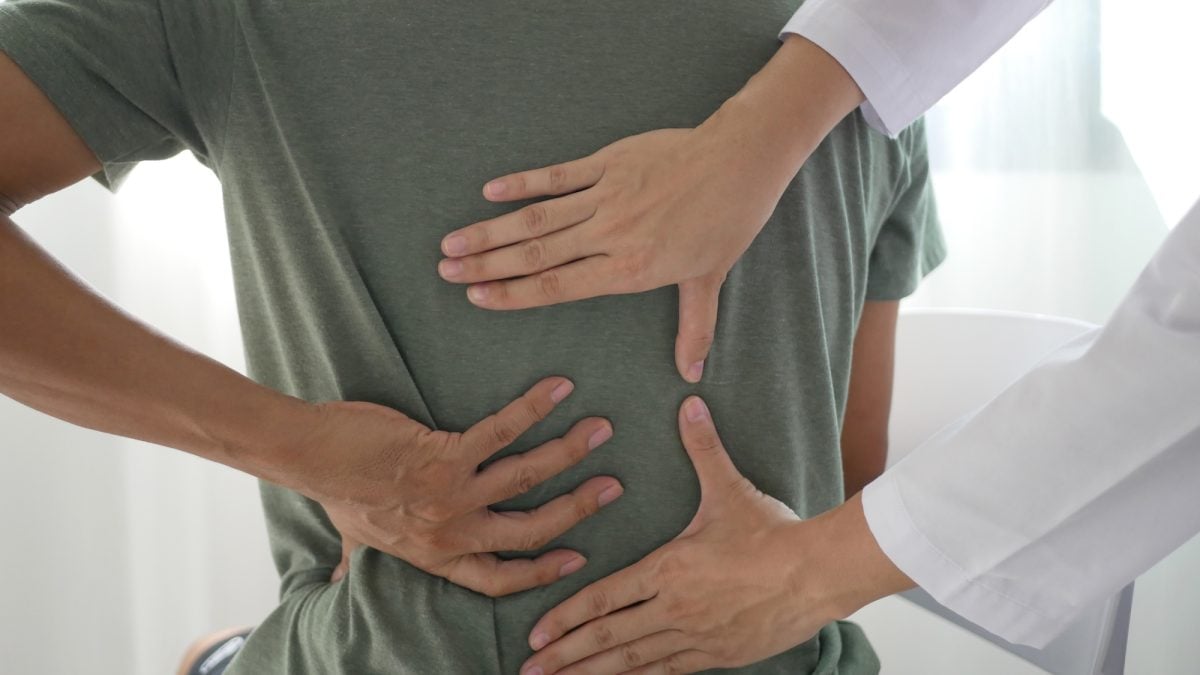
Back pain, or lower back pain, often referred to as the “illness of the century” affects 4 in 5 French people during their lifetime and one in two adults in the last 12 months. A real epidemic for which we do not always know the cause, and for which we are all led to one day seek a solution. But the offer proposed to relieve you, although vast, is not always effective. A new study has therefore scrutinized existing treatments.
Many common options have little or no effect
The study recently published in the BMJ Evidence-Based Medicine sought to evaluate no less than 301 clinical trials involving 56 non-surgical treatments. Their panel therefore included classic means such as anti-inflammatories or physical exercise, but also more complementary options such as acupuncture, reflexology or Chinese cupping. With a disappointing reality. According to the randomized controlled trial, barely 10% of the treatments evaluated demonstrated effectiveness. And again, this often turns out to be little better than the placebo.
- For acute back painthat is to say less than 12 weeks, only non-steroidal anti-inflammatory drugs (NSAIDs), such as ibuprofen or aspirin, offer effective relief;
- For chronic low back pain (more than twelve weeks), several approaches are effective: physical exercise, spinal manipulation, taping, antidepressants and TRPV1 receptor agonists (a new class of drugs);
- Paracetamol, corticosteroid injections, anesthetics, antibiotics, osteopathy or even acupuncture offer no significant results according to this large study.
However, it is necessary to take into account that each patient and each back pain is different. And that only a precise and individualized diagnosis, in order to determine which treatment will be most suitable, will be able to relieve you.
Back pain: 3 tips from Dr Kierzek
Faced with this observation of failure (90% of the methods would therefore be useless), Dr Gérald Kierzek, emergency physician and medical director of True Medical, recalls the 3 priorities in the event of back pain which sets in.
1. Maintain appropriate physical activity
A sedentary lifestyle is a major aggravating factor. Prolonged sitting increases intradiscal pressure by 40% compared to standing, says the doctor.
“Practice 30 minutes of daily physical activity (walking, swimming) and at the office, get up every hour for 2-3 minutes, do simple lumbar stretches (dorsal flexion while sitting or lying down). So no more strict bed rest with sick leave!“
2. Adopt good postures every day
In everyday movements, the doctor reminds that lifting a load requires an adequate method:
- Bend your knees while keeping your back straight;
- Hold the object close to the body;
- Get up by pushing on your legs.
The sitting position, which we adopt for long hours at work, must also meet several criteria.
- His back pressed against the backrest;
- Feet flat on the ground;
- A screen at eye level.
3. Optimize the sleeping environment
Finally, the quality of sleep directly influences muscle and joint recovery. It is therefore necessary to make your nights a priority to reduce back pain or live better with it.
Finally, however, certain warning signs should lead you to the doctor for an emergency consultation. Here are the warning signs requiring immediate consultation:
- Sphincter disorders;
- A neurological deficit (muscle weakness);
- Intense pain that does not subside.