
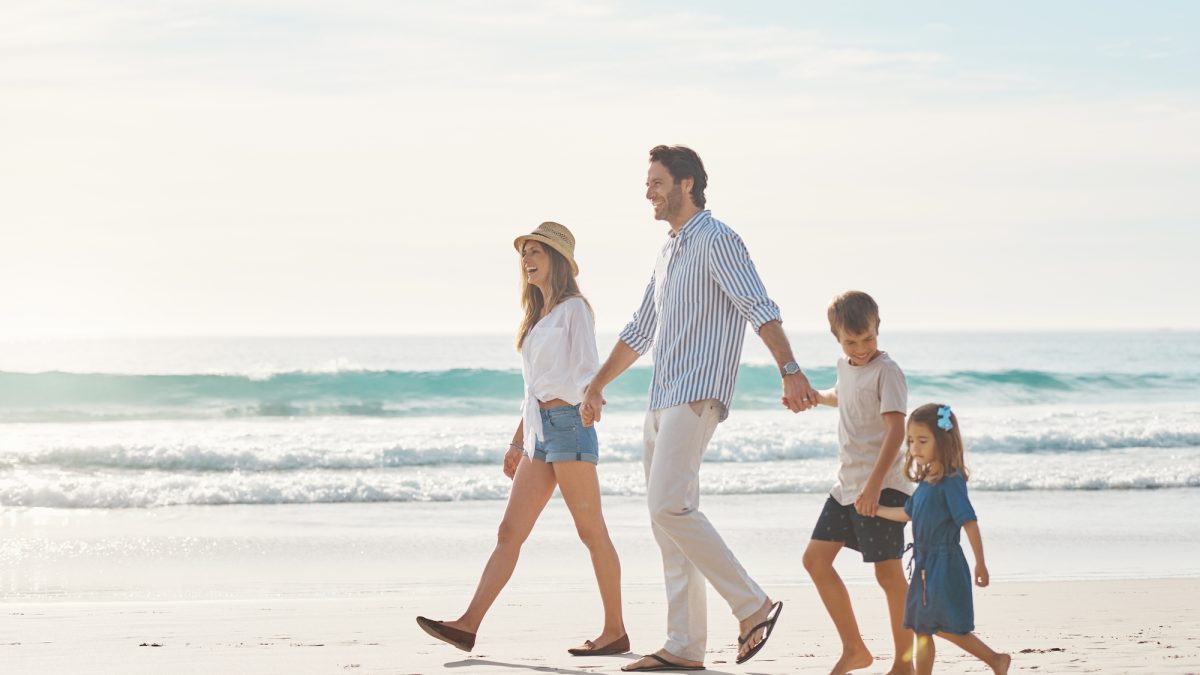
Our body needs routine. However, nothing disrupts our daily lives as much as traveling. Whether for work or pleasure, traveling can be an exciting way to experience new experiences away from home. However, time zone changes, fewer exercise opportunities, new cuisines and disrupted meal times can make it more difficult to manage your blood sugar levels.
A digestive walk and off we go!
What is really happening? After a meal, your blood sugar rises because your body converts carbohydrates into energy. In response, your pancreas produces insulin to transport glucose from the blood to your cells. However, in cases of diabetes or insulin resistance (if that is your case), this system does not work effectively and postprandial blood sugar levels may rise above normal. Another problem is that when traveling you may have less access to healthy foods, which can cause your blood sugar levels to spike.
“After a meal, our blood sugar level naturally increases” confirms Julie Boët, dietitian nutritionist consulted by True Medical. “A light walk of 10 to 20 minutes allows the muscles to use this glucose actively, especially the post-prandial glycemic peak.”
This is not strenuous exercise, but moderate activity that stimulates insulin sensitivity and aids digestion. “When traveling, where meals are sometimes more copious or different from daily habits, this walk becomes a valuable regulation tool.”
A walk yes but while remaining reasonable
However, there’s no need to feel guilty if you can’t walk immediately after a meal. The ideal is to do this within 30 to 90 minutes. “But even a walk later in the day will bring benefits. What I often say to my patients: do the best you can with the conditions at hand.”
tempers the expert. At the heart of the holidays, the last thing to do is to see this walk as a constraint.
Also be careful not to walk in the heat, especially in summer or in sunny countries! “Choose shaded areas, the beginning or end of the day, or even shopping centers if you are in town and it is too hot outside. The idea is not to sweat, but to move slowly.”
advises our expert.
A quiet moment for yourself, excellent for well-being
In addition to its effects on blood sugar, this habit contributes to digestive comfort, reduces bloating and promotes better sleep, which is particularly beneficial when traveling. “It also acts as a decompression chamber, a quiet moment for yourself or to share a discussion with the people you are traveling with, which will reduce your stress and therefore your blood sugar levels. completes Julie Boët.
And if walking is really not possible, other small strategies can have a beneficial effect: practice a few stretching movements while standing, compose your plates with a source of protein, vegetables, good fat and preferably whole starchy foods, “or simply avoid staying slumped on a sofa or in a deckchair for an hour after a big meal.” she concludes.