
Verdict: FALSE.
Often superficial coloring
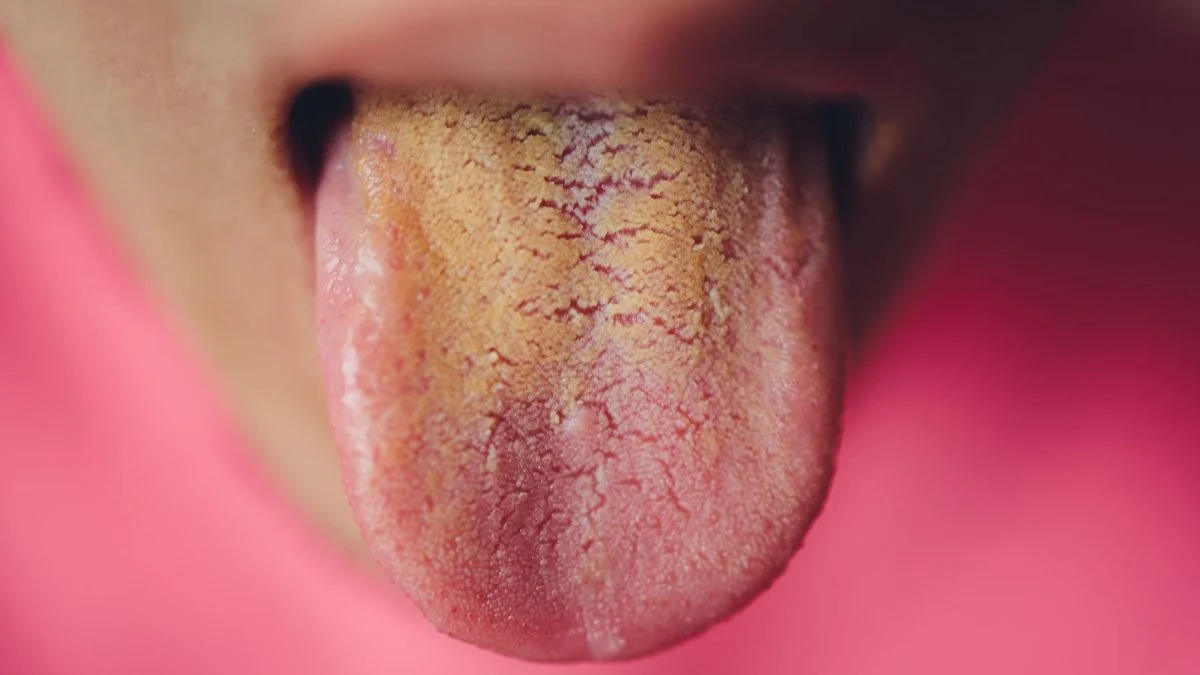
A yellow tongue can result from a buildup of dead cells, bacteria and food debris on the taste buds.
Poor oral hygiene, dehydration, smoking or certain foods can promote this coloring.
Certain medications can also reduce salivation and promote the appearance of a coating.
The liver is just one possibility among others
Jaundice linked to a liver disorder can indeed cause a yellow color, but this is also the case for oral candidiasis, prolonged use of antibiotics and certain metabolic disorders such as diabetes.
Color alone therefore cannot identify the cause.
When should you consult?
Light, limited coloring and no other general symptoms may initially lead to increased hygiene measures.
On the other hand, persistent coloring, a thick coating or the association with a dry mouth may justify a consultation. Medical or dental advice is also recommended when the unusual appearance persists despite simple measures.
What to remember
A yellow tongue is not automatically a sign of liver disease. The coloring can have very diverse origins, often benign, but its persistence deserves to be evaluated.
Advice from Doctor Gérald Kierzek
The tongue can retain a deposit of food debris, cells and bacteria, which sometimes contributes to bad breath. Once a day, after brushing, clean it very gently from the back to the front with a soft tongue scraper or the back of the toothbrush, then rinse: there is no need to rub hard or use multiple strokes, as this can irritate it.