
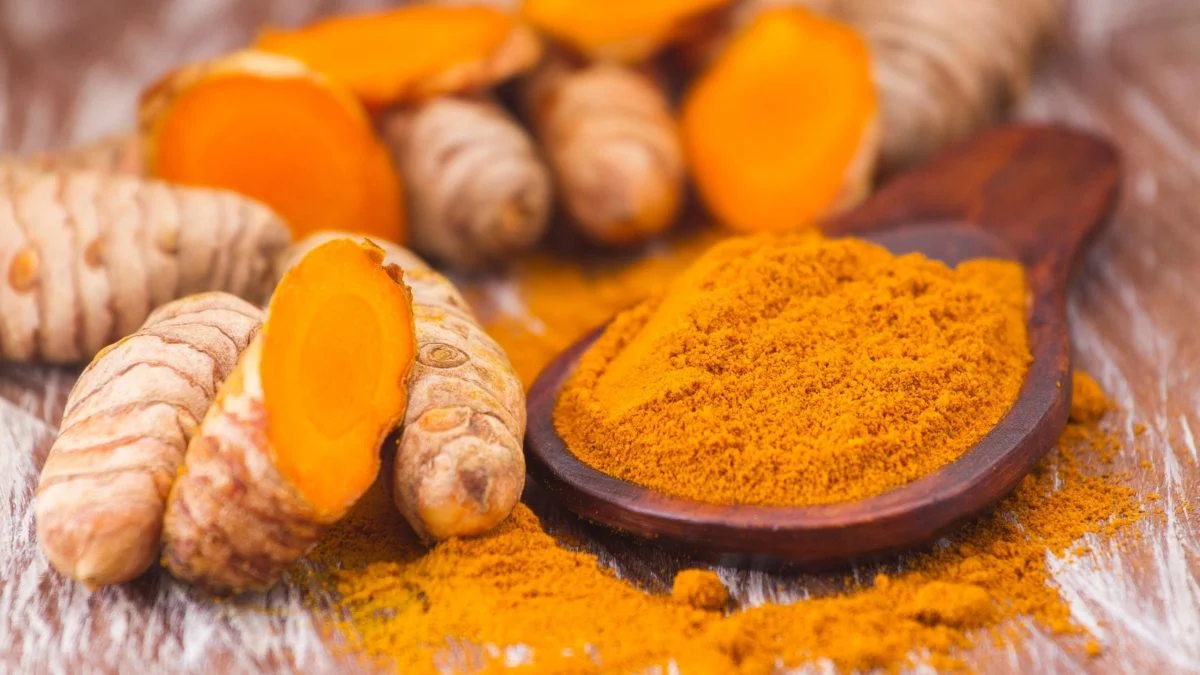
You may already use it in cooking. However, turmeric also interests researchers for its potential effects on the brain. Its flagship molecule, curcumin, could notably act on certain mechanisms associated with brain aging.
How turmeric works on the brain
March 27, 2025, the scientific journal Biotechnology Advances published a summary on the potential effects of curcumin. The researchers particularly looked at the amyloid-beta and tau proteins, involved in Alzheimer’s disease.
Curcumin has anti-inflammatory properties. According to nutritionist Molly Knudsen, cited by the site MindBodyGreen, it could help reduce chronic inflammation, which may contribute to brain aging.
Researchers are also interested in the gut-brain axis. Curcumin is transformed by intestinal bacteria into different metabolites, including tetrahydrocurcumin. Some may have anti-inflammatory and antioxidant effects.
Turmeric and memory, results still limited
In humans, the results remain encouraging but insufficient to draw definitive conclusions.
A study conducted at the University of California, Los Angeles, followed adults with mild memory problems for 18 months. Participants received 90 mg of curcumin twice daily. They had better results regarding memory and mood than those who received a placebo.
Other studies, conducted over approximately 12 weeks, also suggest improved information recall and reduced mental fatigue.
But this work focuses on small groups and on standardized curcumin extracts. They therefore do not allow us to confirm that a simple pinch of turmeric is enough to protect the brain.
How to consume turmeric safely
Curcumin is naturally poorly absorbed by the body. Some formulations therefore combine it with piperine, a black pepper compound, to improve its absorption.
Molly Knudsen, however, advises caution with supplements: “If you choose a product optimized for absorption, go for the lowest dose.”
The National Center for Complementary and Integrative Health, an American organization specializing in complementary approaches, also reports that certain very concentrated formulations of curcumin have been associated with liver damage.
The simplest way is to use turmeric as a spice in a varied diet. High-dose food supplements should not be taken without medical advice, particularly in the event of treatment or during pregnancy.