
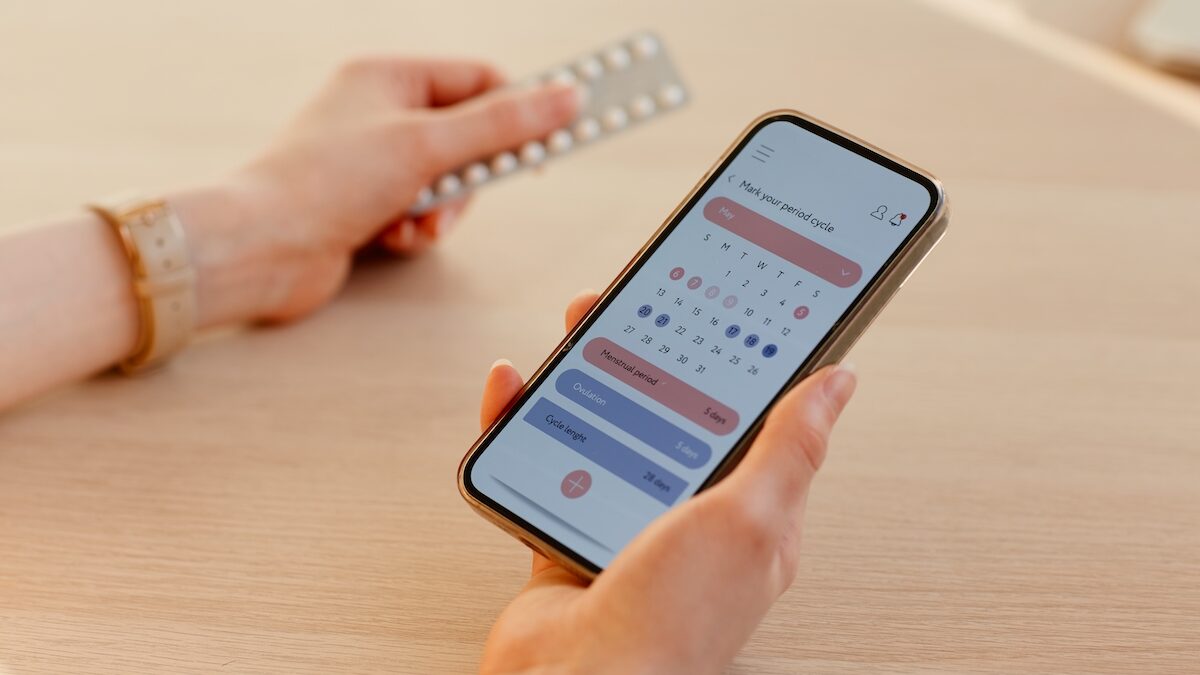
They promise to predict your period to the nearest day, sometimes even to help you conceive a baby or avoid pregnancy. In just a few years, period tracking applications have become part of the daily lives of millions of women who are looking for alternatives to hormonal contraception. But today, these very popular tools have just been seriously called to order by Fraud Repression. In a press release published on December 2, 2025, the General Directorate for Competition, Consumer Affairs and Fraud Control (DGCCRF) explains that it has screened nine of the most downloaded applications and alerts on a “risk of unwanted pregnancy” for their users. The warning also raises questions about the personal data and medical status of these apps.
Why is the DGCCRF targeting period tracking applications?
The DGCCRF describes a “significant growth“period and fertility tracking applications. This success is, according to her, part of “a context of distrust towards certain contraceptive methods, particularly hormonal ones“and of”health misinformation observed on social networks“Many women are turning to these digital tools presented as more “natural” methods.
Between 2024 and 2025, the authority controlled nine applications “among the most downloaded“, whose operators are based in Europe, the United States and Asia. This software “often have paid features” And “make it possible to collect physiological and symptomatic data, and thus predict the periods of periods, or even fertility“, describes the DGCCRF in its press release. Enough to give the feeling that we can control our cycle… when the reality is much less simple.
When apps are used as contraception…
At the heart of the alert is the use of these apps as a means of contraception. The investigators noted that some suggested that they were offering “control of conception thanks to the indication of menstruation and fertility periods“, one of them going so far as to present itself as a means of contraception. Commercial notices promise, for example, to “get pregnant easily and quickly“, or conversely, offer a functionality”avoid getting pregnant“.
For the DGCCRF, the message is clear: these platforms “should not be used as a means of contraception” And “thus expose users to a risk of unwanted pregnancy“. She reminds that, although they can be useful for monitoring menstruation, “they cannot constitute reliable tools to help with conception and contraception“.
The authority also denounces “deceptive business practices“and”unfair clauses“, like mentions that “release the provider from any liability regarding the accuracy or effectiveness of the information provided by the application“. Among the deviations pointed out, we find:
- Of the “manipulative biases, deliberately designed to encourage consumers to subscribe to a paid subscription, supposed to maximize the chances of getting pregnant” ;
- Incentives”to purchase services immediately, creating a sense of urgency” via false countdowns or promotions presented as limited in time.
Massive collections of personal data that worry
Another major part of the investigation concerns the data collected by these applications. The DGCCRF emphasizes that these apps “collect a lot of personal data, which raises questions about their use and sharing with commercial partners“. A transmission of information was made to the CNIL.
The authority invites users to be vigilant and refers to reliable resources such as the site QuestionSexualite.fr, while indicating that it “maintain vigilance” on the compliance of these rules monitoring applications.
Compliance requests at European level
The other central point of the investigation concerns the legal status of these tools. The DGCCRF emphasizes that certain period and fertility tracking applications “claim to help with conception, or even contraception, without having medical device status“, yet required by the National Agency for the Safety of Medicines and Health Products (ANSM) in the majority of cases.
This regulation imposes a “European conformity marking“, presented as a guarantee of respected safety and performance conditions. The controls resulted in four requests for compliance with regulations on medical devices and four injunctions to immediately stop deceptive practices.
An application which presented itself as a means of contraception preferred to withdraw from the French market after this request.