
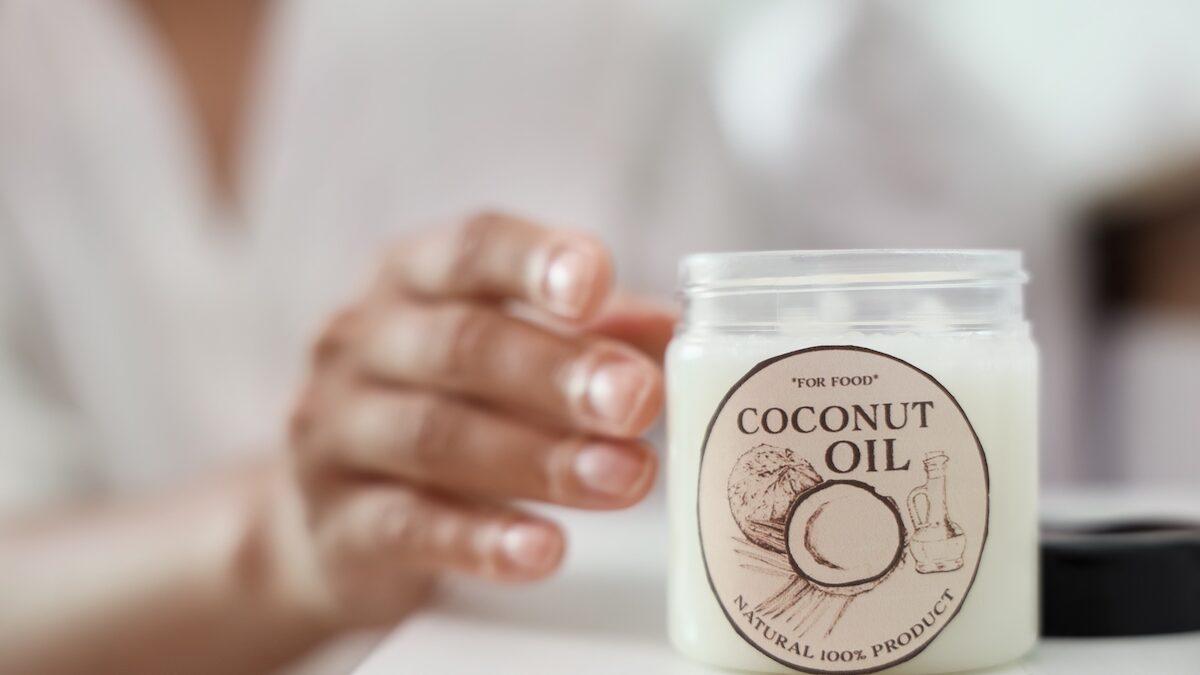
While classic lubricants are sometimes singled out for their compositions considered too chemical or opaque, some Internet users are turning to so-called more natural alternatives. Among them, virgin coconut oil is often presented on social networks as a simple, economical and “healthy” solution. But can it really be used during sexual intercourse or to relieve intimate dryness?
Coconut oil, a health ally?
For Dr Samuel Salama, gynecologist consulted by True Medical, it is essential to differentiate two situations: occasional use as a lubricant during sexual intercourse, and more regular use to soothe discomfort linked to intimate dryness.
“As with everything, there are advantages and disadvantages. Coconut oil used for massage on the whole body poses no problem. On the mucous membranes, it can have an anti-inflammatory and soothing effect, which can be interesting in certain cases.”
A risk of imbalance in the vaginal flora
However, while its moisturizing and calming properties may be appealing, coconut oil is not perfectly suited to the vaginal ecosystem.
“The problem is that it can unbalance the normal vaginal flora. It can contribute to a deregulation of Döderlein’s flora and promote the appearance of mycoses or vaginosis. There is also a question of pH: it is not the physiological pH of the vagina.”
Indeed, even if coconut oil is not particularly alkaline, it can modify the vaginal environment by disrupting the balance of protective bacteria, notably lactobacilli. And you cause more fungal infections than protect yourself from them.

Antimicrobial virtues… to put into perspective
Fans of this oil often highlight its richness in lauric acid, a fatty acid with recognized antimicrobial properties. But for the specialist, cosmetic benefits and medical use should not be confused.
Coconut oil cannot be considered as a treatment or preventative product against gynecological infections. Its action remains limited and in no way replaces suitable solutions or the advice of a health professional.
Incompatible with condoms
Finally, an essential point raised by Dr Salama: use during protected sex should be excluded.
“Coconut oil can alter latex, making it porous or fragile. This increases the risk of sexually transmitted diseases and pregnancy.”
Like all fatty substances, it is therefore not recommended with condoms, as it can compromise their effectiveness.
A real natural product but a false good idea
Bad news for fans of all-natural products: if coconut oil is not dangerous in itself and can have occasional benefit in moisturizing the skin or relieving certain irritations, it is therefore not the ideal lubricant for the mucous membranes.
For the gynecologist, it is better to turn to lubricants specifically designed for intimate use, dermatologically tested and respectful of vaginal pH.
“Overall, it’s a bad idea. It’s better to use real lubricants, which you might choose with a coconut scent, rather than pure coconut oil.”