
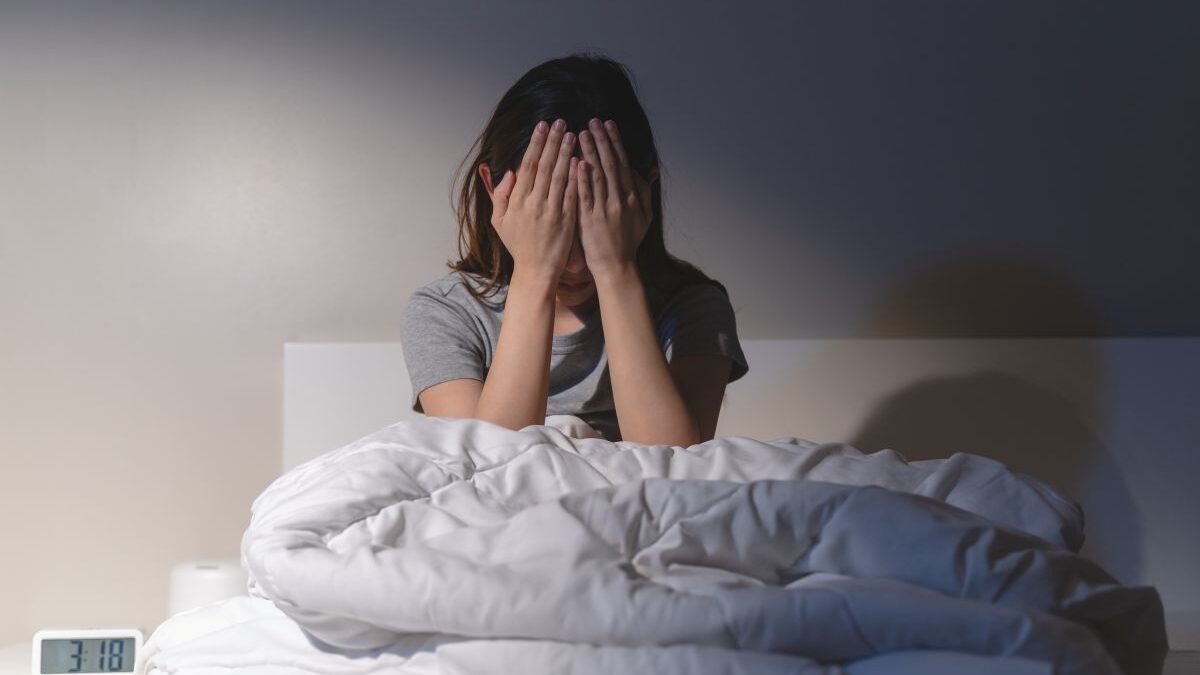
Going to bed is a real moment of relaxation. But for people with somniphobia, the simple act of falling asleep causes anxiety, cold sweats or waking up in panic. How to explain it? To better understand the origin of this phobia, True Medical interviewed psychologist Pascal Anger.
When sleep becomes a source of anxiety
According to him, this disorder results in anxiety at bedtime, an irrational fear of “not waking up” or “dying while sleeping”. Affected people experience anxiety attacks as soon as they try to fall asleep.
Their heart races, breathing accelerates, their thoughts go round and round… These thoughts then become intrusive, fueled by the fear of losing control.
“These people suffer from cyclical thoughts that are often painful, with physical symptoms such as hyperventilation, sweating, chills, etc. IIt is difficult for them to fall asleep. Despite being tired, they can’t let go.” explains our expert.
During the night, startled awakenings are common, accompanied by cold sweats, nightmares and profound disorientation. Result: lasting physical and psychological exhaustion.
A fear that often finds its roots in childhood
For Pascal Anger, this phobia of sleep sets in from a very young age. “There is a fear and anxiety that appears at bedtime from childhood. This anxiety can result in the need for a night light to fall asleep, and some people continue to need light to sleep at night“.
For some, this fear lessens during adolescence. In others, it persists, or reactivates in adulthood following a trauma, particularly when it occurs at night (illness, bereavement, accident, etc.).
Far from simple insomnia, these physical manifestations reflect a specific phobia, where the brain unconsciously associates sleep with danger.
How to overcome somniphobia?
The treatment of somniphobia begins by rebuilding a peaceful relationship with sleep. According to Pascal Anger, the key lies in regularity and structuring.
“It is essential to regain good sleep hygiene, going to bed at set times. These people need a structured framework, a routine that allows them to anchor themselves in a rhythmic daily life.”
Implementing calming rituals before bed also helps reduce anxiety spikes. These practices help reduce anxiety-provoking stimuli and learn to release control. “This can involve meditation, relaxation, breathing exercises that can be used to fall asleep more peacefully. recommends our expert.
When the anxiety is too strong, seeking medical support may be necessary. “If the person is really too anxious, they should also consult a doctor to find out if they might not need medication to treat this insomnia and this fear which is exhausting them.”.
Finally, other therapies, such as cognitive-behavioral therapies or EDMR can be considered, to relearn how to sleep without fear and regain restful sleep.