
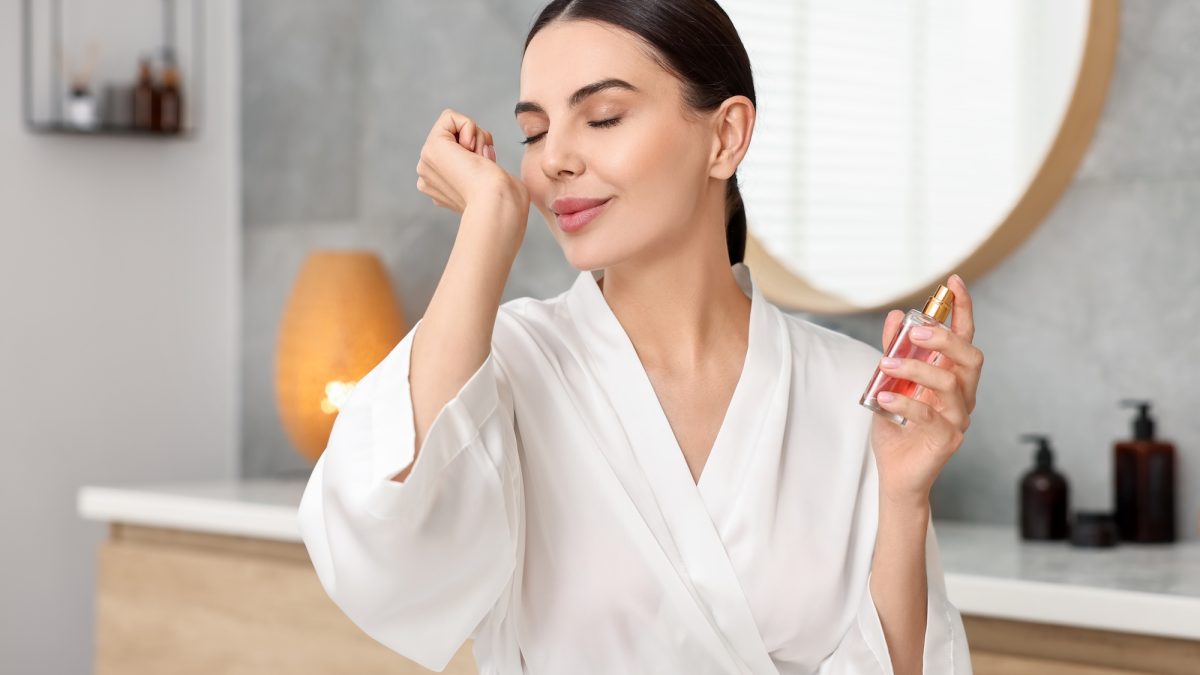
Is wanting to smell good dangerous? While the last touch of perfume before going out is a commonplace gesture for many, everyday The Washington Post the question of its impact on health arises. Because to last, our favorite fragrances all (or almost all) use phthalates.
Phthalates, already known endocrine disruptors
Phthalates are chemical substances present in the composition of many everyday consumer products: perfumes, but also shampoos, antiperspirants, plastics, food containers, etc. Unfortunately, they are not harmless. This chemical is considered an endocrine disruptor. Which means it interferes with the body’s ability to produce and regulate hormones.
The danger of phthalates would be particularly marked in children, according to the media. A recent study notably demonstrated that high exposure to phthalates was associated with a 25% increased risk of ADHD-related behaviors in adolescents, for example.
But the disadvantages are not limited to children. Phthalates are also associated with cardiovascular disease in adults. Another study showed that the elimination of beauty products containing phthalates was almost immediate in adult women: after just 28 days without phthalates, participants not only showed a decrease in phthalate concentrations in their urine, but also a surprising decrease in the expression of genes associated with cancer.
Say goodbye to perfumes, really?
On the industrial side, on the other hand, it is claimed that the risks are not sufficiently substantiated to consider a ban. But for Andrea Gore, a professor of pharmacology and toxicology at the University of Texas at Austin, the damage is obvious enough that she advises everyone to try to reduce their exposure. Particularly to parents who are starting a family and those with young children.
“I recommend avoiding added fragrances altogether – in perfumes, scented lotions and shampoos, even scented detergents and antiperspirants,”
she tells the media.
Reducing phthalates involves other actions
But everyday life is more moderate. Is there really a debate about wearing perfume or not? While so many consumer products – from trash bags to laundry detergent – give us a healthy dose of phthalates.
“It is frankly overwhelming to consider all the potential sources of endocrine disruptors and so I think to preserve your own mental health, I advise you to focus on lasting changes to your lifestyle and resources,” Rebecca Jeun, an endocrinologist at the University of Louisville Health, responded to the Washington Post.
If you don’t plan to change all your beauty products, she advises you to consider other ways to minimize your exposure to endocrine disruptors. Like reducing your consumption of canned and ultra-processed foods. Or avoid heating food or drinks in plastic.
Getting started with perfume, instructions for use
In terms of care and perfume, it is however possible to take stock of your use by carrying out a few checks:
- Check to see if the product’s website says it’s free of phthalates and parabens. or check the package wording (although some products may just have “fragrance” listed as an ingredient);
- Adopt a simplified self-care routine;
- If you have a teen obsessed with skin care, start the conversation about choosing safer products.