
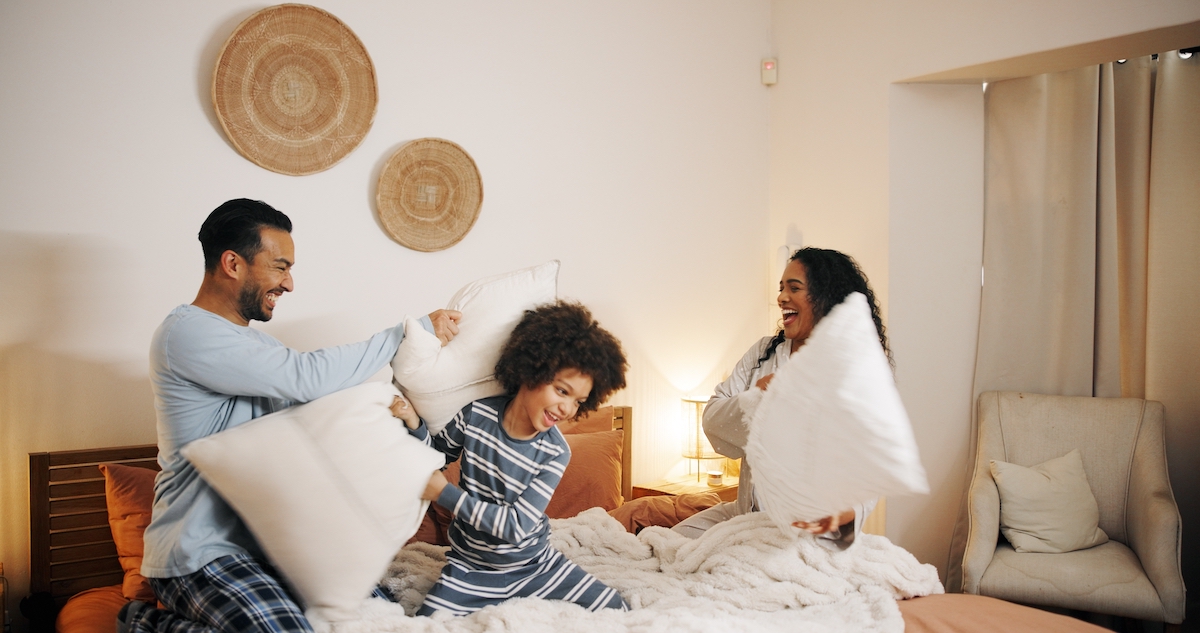
In the collective imagination, playing belongs above all to childhood. However, if play is recognized as fundamental for the development of young children – on the motor, cognitive or emotional levels – its benefits do not disappear with age. On the contrary. Several researchers now believe that it could constitute an important lever for well-being throughout life. In an article published in The ConversationNew Zealand scientists invite adults to restore a place for play in their daily lives, often saturated by work, family obligations and performance requirements.
Play, an antidote to everyday stress and pressure
While the idea may seem surprising, the benefits of play in adulthood are increasingly documented. According to researchers, play creates breathing space in a daily life often dominated by responsibilities. By allowing one to temporarily free oneself from goals and pressure, it would promote stress regulation and contribute to better emotional balance.
A study of New Zealand families over a four-week period explored the integration of free play practices into family life. The results suggest that these playful, unstructured and spontaneous moments can help adults feel less stressed and more connected to those around them.
Psychologist Shilagh Mirgain also points out that play stimulates creativity, improves mood and promotes more harmonious social relationships. In other words, far from being futile, the game would be a real tool for psychological well-being.
The game does not depend on the activity, but on the state of mind
Contrary to popular belief, play as an adult does not necessarily mean using toys or engaging in formal play. Specialists point out that play is defined above all by the attitude adopted towards everyday experiences.
These can be physical, creative or social activities: dancing, telling stories, improvising, solving puzzles, joking or just doing something for fun. What makes an activity fun, the researchers explain, is not its form but the state of mind that accompanies it: curiosity, imagination and absence of performance objective.
In a society where opportunities for spontaneous play become rarer with age, it therefore becomes essential to recreate these moments. Organizing a game evening with friends, sharing activities with your children or allowing yourself creative experiences can be enough to reintroduce this playful dimension.
Rehabilitating play to live better as an adult
For some specialists, it is time to change our outlook on play. Long considered an activity reserved for children or occasional leisure activities, it could in reality constitute a pillar of well-being, in the same way as sleep or diet.
Intergenerational gaming experiences are particularly beneficial. Playing with your children – whether through imaginative games, a game of ball or a creative activity – strengthens emotional bonds and stimulates the production of endorphins, these hormones associated with well-being.
Ultimately, rehabilitating play in adult life does not mean avoiding responsibilities, but rather relearning how to cultivate curiosity and spontaneity. A simple, but powerful way to preserve your mental balance throughout life.