
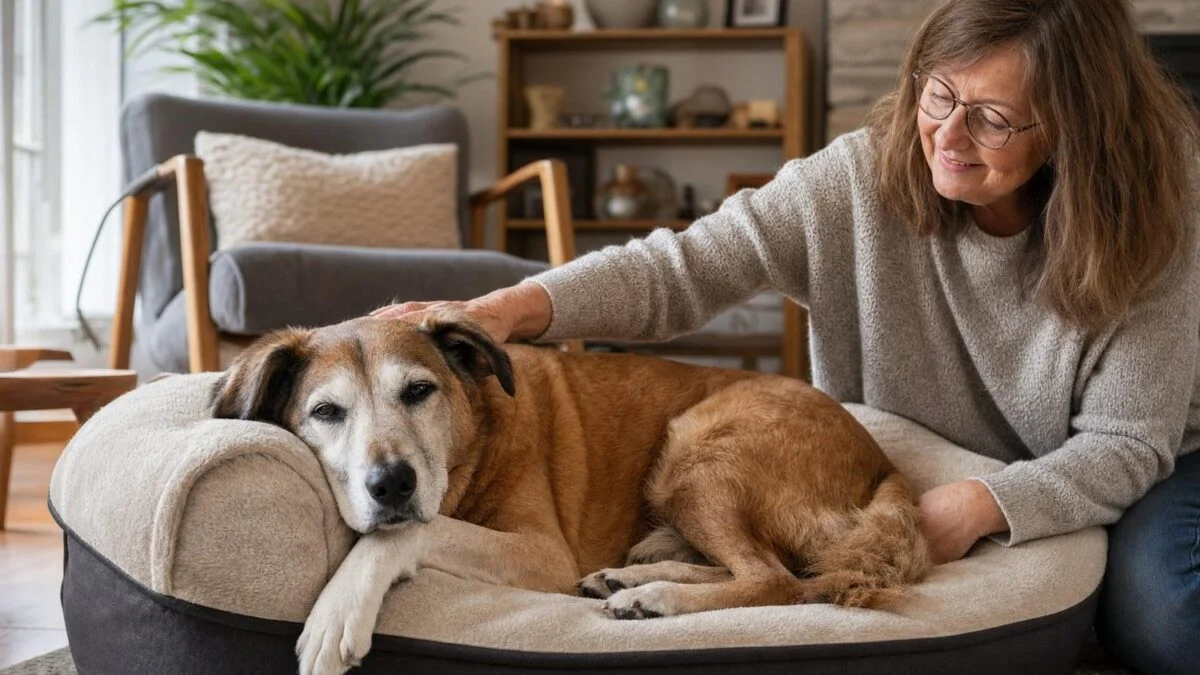
The numbers are clear: our dogs are living longer than decades ago. It is no longer rare to see dogs reaching 14, 15 or even 18 years old. Behind this success, an uncomfortable question arises: are these gained years really lived in good health?
Why our dogs live longer today
Several levers combine. Current rations provide a more balanced diet, better suited to the needs of each age. There veterinary medicine has also changed the destiny of dogs: vaccination, advanced surgery, long-term treatments, imaging, dental care and early detection now stabilize many formerly fatal diseases.
Owners consult earlier and see their companion as a member of the family, with comfortable sleeping, measured exercise and preventive check-ups. Beyond care, the longevity of dogs also depends on their breed: small dogs like the Chihuahua or the Poodle often exceed 15 years, while a Great Dane rarely reaches this age, which shows the weight of size and genetics.
When dog longevity rhymes with chronic diseases
Living longer simply puts you at risk for more age-related illnesses. With age, health problems are more common, including osteoarthritis, kidney failure, heart disease, many cancers, but also loss of vision or hearing. Veterinarians also describe canine cognitive dysfunction syndrome, similar to certain human dementias, with disorientation, disturbed sleep, nocturnal vocalizations or modified social interactions.
For a long time, chronic pain has been underestimated in elderly dogs. But the rise of new anti-inflammatories, physiotherapy, laser or targeted injections allows many seniors to remain active. The counterpart is heavy medicalization, with daily tablets, injections and frequent checks, which forces one to wonder how much to treat when comfort deteriorates.
How to help an older dog age better
Good news: the master retains some room for maneuver. Owners can adjust the diet, provide suitable bedding and age-appropriate moderate exercise. Maintaining an ideal weight saves you almost 2 years, with less osteoarthritis, less shortness of breath and more autonomy.
In practice, the question is no longer just “How long will he live?”, but “In what state will he live these years”. Veterinarians advise observing appetite, ability to move, desire to play or go out, and discussing treatment options when illnesses accumulate. This shared reflection helps to prioritize the real comfort of the dog rather than the simple race for additional years.