
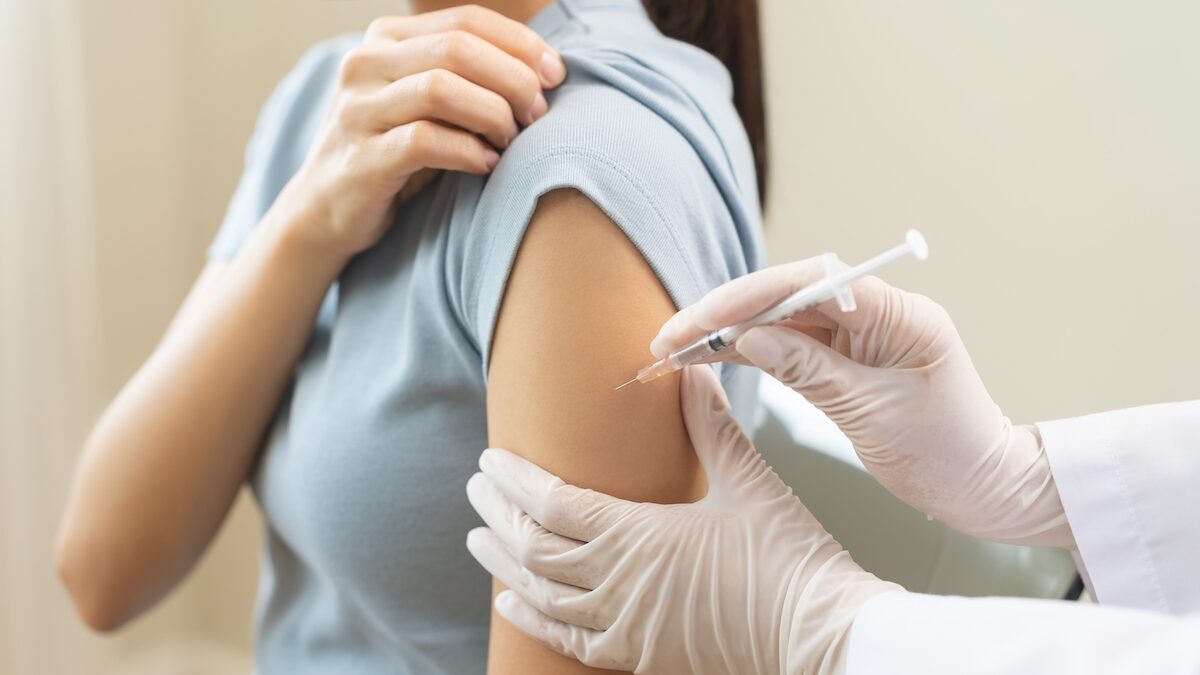
On Instagram, Dr Sermed Mezher, a British doctor and influencer, explains why a 25-year-old young woman is receiving “baby” vaccines again after a stem cell transplant. The idea is correct, provided it is qualified: after this type of transplant, part of the immune memory can disappear, often requiring progressive revaccination.
Why childhood vaccines may become necessary again
The transplant concerned is a transplant of hematopoietic stem cells, that is to say the cells at the origin of blood cells and a large part of the immune system. To understand, we must return to the role of the bone marrow: it produces in particular white blood cells, including lymphocytes involved in the response to infections and vaccines. To go further, True Medical details the role of bone marrow in immunity.
In the video, Dr. Sermed Mezher reiterates a central point: before receiving stem cells from a donor, the patient receives a preparation treatment, called conditioning. It is often based on intensive chemotherapy and sometimes on radiotherapy, in order to strongly weaken the marrow and the immune system of the recipient to allow the graft to take root. This step is similar to what True Medical explains about conditioning chemotherapy before a bone marrow transplant.
The important nuance: conditioning does not always erase everything 100%. Its intensity varies depending on medical situations. But it may be enough to lose a significant part of the protections built previously. In other words, the immune memory acquired before the transplant may diminish or disappearincluding that linked to vaccines received in childhood.
The expert uses a telling image: after a vaccination, the body remembers “Wanted posters” against certain microbes. Scientifically, this memory is based in particular on
memory B and T lymphocytes. After the transplant, the new immune cells from the graft have not necessarily encountered the same antigens. THE new immune system needs to be retraineda bit like an infant who gradually builds up his defenses.
What does revaccination after transplantation provide?
After hematopoietic stem cell transplantation, recommendations consider patients to be “naive” to many vaccine antigens. This does not mean that everything is the same for everyone, nor that the calendar is decided by itself. It is
not a simple reminder : this is a progressive revaccination program, set by the medical teamdepending on the transplant, current treatments and immune recovery.
French recommendations provide in particular, depending on age and situation, vaccinations or revaccinations against:
- Pneumococcus;
- Haemophilus influenzae b;
- Diphtheria, tetanus, poliomyelitis and whooping cough;
- Hepatitis B;
- Meningococci;
- Papillomaviruses in certain situations;
- Seasonal flu, with a vaccine inactivated each year.
The interest of the example cited in the video – a 25-year-old adult receiving vaccines usually administered around early childhood – is therefore to show that civil age is no longer enough to read the vaccination record. After some transplants, what matters is the state of the reconstructed immune system.
Dr Mezher also draws a parallel with measles. It is generally correct, but must remain cautious: measles can cause immune amnesiaby destroying part of the memory cells and reducing certain pre-existing antibodies. This can make you more vulnerable to other infections for months or even a few years. On the other hand, this does not mean that all immunity is systematically reset to zero in each person. True Medical also looks at immune amnesia caused by measles.