
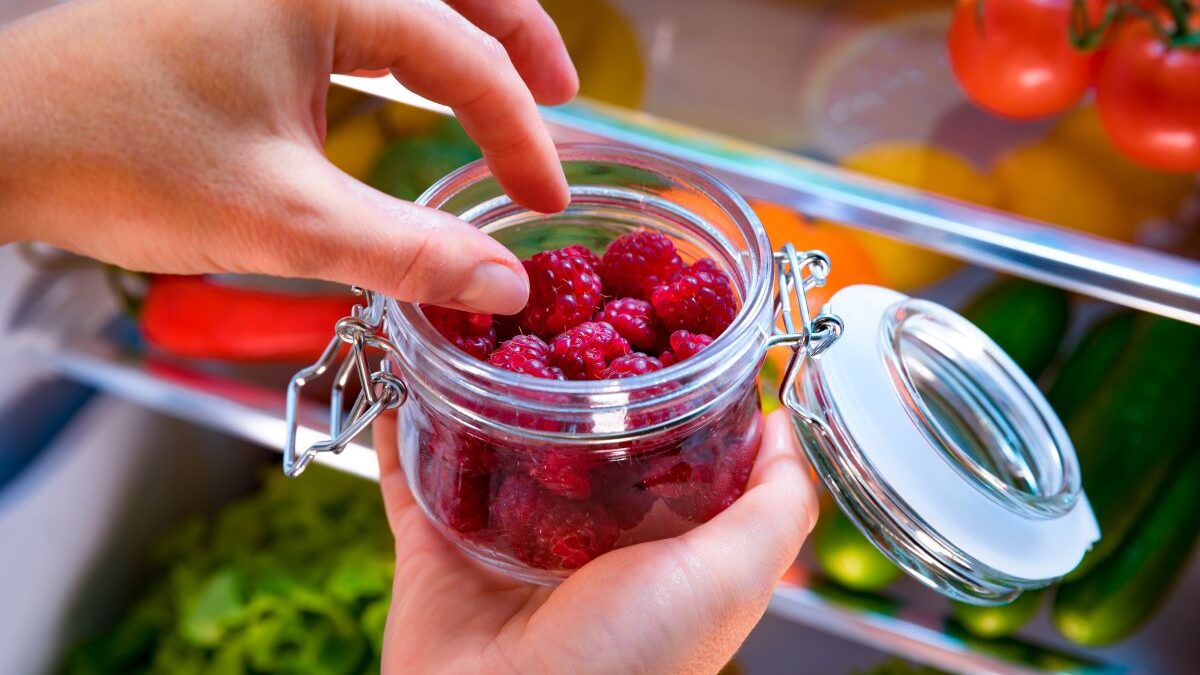
As soon as the sunny days return, the raspberry establishes itself as the undisputed queen of our summer stalls. However, its delicacy often makes storing it a real challenge. Find out how to pamper this little red fruit to make the most of it, according to dietician Julie Boët.
A treasure trove of nutritional benefits to slip onto the plate
Raspberries not only delight our taste buds, they also take care of our health. Julie Boët recalls that it has immense dietary qualities. “Nutritionally, raspberries have many benefits. Low in calories, they provide on average less than 50 kcal per 100 grams. They are particularly rich in fiber, which promotes satiety and contributes to the proper functioning of intestinal transit.”
In addition to regulating digestion, this fruit is a gold mine of essential micronutrients. “It also contains vitamin C, B vitamins as well as numerous antioxidant compounds, notably anthocyanins and polyphenols responsible for its characteristic red color. These substances help protect cells against oxidative stress and fit perfectly into a balanced diet“, adds the expert.
Thanks to this ideal profile, “raspberries are easily enjoyed at any time of the day. They can be eaten plain as a snack, added to yogurt, integrated into porridge, fruit salad or even used in pastry preparations. Their high fiber content and low sugar content make them an interesting fruit for diversifying daily fruit intake.
The art of choosing and sorting the tray upon return from the market
To benefit from these benefits, it all starts with the purchase. In France, the peak season runs from June to September. Julie Boët advises favoring firm fruits, evenly colored and free from traces of crushing or mold. This rigorous choice is crucial because “a single damaged raspberry can accelerate the deterioration of the entire tray.”
The first instinct when returning home is therefore to carry out a careful examination.
“As soon as you return from shopping, it is advisable to quickly inspect the tray. Fruit that is crushed, too soft or shows signs of mold should be removed without delay. This simple step often allows you to extend the shelf life of other raspberries by several days.”
The right location in a cool place and the trap of early washing
Once sorted, the storage method makes all the difference. “The question of conservation is essential with this particularly fragile fruit. Raspberries generally keep better in the refrigerator than at room temperature, especially in hot weather. The ideal zone is not in the vegetable drawer but in the least cold part of the refrigerator generally located in the center, where the temperature remains stable without being excessive.explains the dietitian.
The original packaging must also be banned to avoid humidity, the sworn enemy of the fruit. “It is best to keep them in a shallow container to prevent them from crushing under their own weight and to remove them directly from their original packaging, which is often too humid and accelerates their degradation. Humidity being one of their main enemies, it is also important to avoid airtight containers which encourage condensation.”
The most common mistake, however, is washing them too soon.
“Even if the intention is good, this practice often reduces their shelf life. Water weakens their surface and increases residual humidity, creating an environment favorable to the development of mold. It is therefore best to keep them dry with absorbent paper and only rinse them just before consumption.”
How to clean them without damaging them and the option of freezing
When it comes time to eat, delicacy remains essential. “A simple quick rinse under a stream of cool water is usually sufficient. says Julie Boët.
As for tips using vinegar or baking soda to remove pesticide residue, caution is advised. “This method can be interesting for certain thick-skinned fruits, but it must be carried out with caution for raspberries due to their extreme fragility. Prolonged soaking risks deteriorating them quickly. If cleaning with bicarbonate is carried out, it must be very brief, followed by careful rinsing and delicate drying.”
Finally, if you are afraid of not consuming them in time, do not hesitate to turn to the cold section.
“Frozen raspberries also represent an excellent alternative when fresh produce is not available or when you want to avoid waste. Contrary to popular belief, freezing preserves the majority of nutrients very well. The fruits are generally frozen shortly after harvest, which allows a large part of their fiber, mineral and antioxidant compound content to be retained.”
Despite a slight decline in vitamin C over time, “frozen raspberries can thus be used in smoothies, compotes, coulis or culinary preparations without their nutritional value being significantly altered.. Thanks to Julie Boët’s advice, you will no longer let any of these precious fruits go bad!