
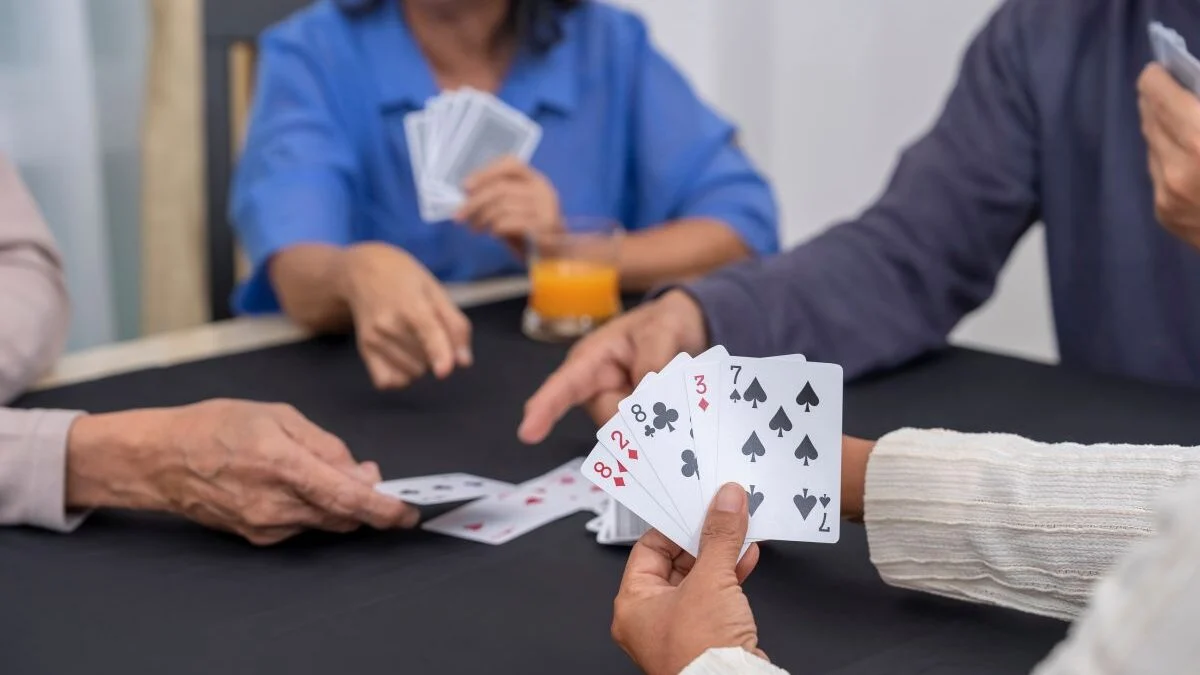
In our modern society which constantly values productivity and efficiency, allowing yourself a moment of pure free play through gaming is often seen as a guilty indulgence.
However, mental health specialists say the opposite: far from being childish stupidity, play is a key element in regulating stress, building lasting relationships and maintaining mental flexibility in the long term. It’s a basic need that adults never really outgrow.
Redefining play as an adult: beyond preconceived ideas
One of the biggest misconceptions is that adult play should be like childhood play, like building fortresses.
In reality, it takes much more diverse forms. According to art therapist Megan Collins, interviewed by Real Simpleplay is defined as any activity where the process matters more than the result.
“We play because it feels good, not to produce something or impress anyone.”
she explains. Led by curiosity, we follow our interest rather than our obligation. Adopting this playful mindset allows you to move away from the quest for perfection to singing at the top of your lungs in your car, doodling without a plan or dancing alone in your kitchen.
“When we talk about games, we spontaneously think of children. However, many psychologists, neuroscientists and well-being specialists emphasize that play remains a fundamental need throughout life. For adults, these are not necessarily toys or board games, but activities practiced for pleasure, curiosity, creativity or simple entertainment” confirms psychologist Siyana Mincheva for True Medical.
She specifies that this can manifest itself through practicing a sport in a fun way, dancing, singing, improvising, drawing, painting or doing crafts. “It also includes participation in creative activities without a performance objective, as well as making humor, telling stories or setting challenges among friends. she adds.
Before qualifying, however: “Video games are not one of them, they are very addictive and should therefore preferably be avoided..
A powerful shield against stress and burnout
Play supports our mental health by stimulating creativity and resilience. Therapist Alyssa Kushner explains that it helps interrupt the “survival mode” (fight-flight-freeze) caused by chronic stress, giving the nervous system the opportunity to return to the present moment.
Siyana Mincheva agrees. “Play promotes relaxation and helps reduce stress levels. When a person engages in a pleasurable activity, their attention is temporarily diverted from everyday concerns, which can help reduce anxiety.”
It is also a major tool against burn-out. Mentally, it offers a break from cognitive overload; physically, it regulates the vagus nerve, lowers cortisol and releases dopamine without the exhaustion of constantly producing.
Finally, getting back into free activities is akin to the work of the “inner child”, allowing adults to reconnect with parts of themselves that have been neglected or forced to mature too quickly.
Stimulate the brain and boost cognitive functions
Far from being a waste of time, the game modifies the dynamics of our mind. Neuroscience research shows that playful engagement activates complex neural circuits.
This flexibility helps to experiment and fail in a safe environment. “This freedom promotes adaptation in the face of difficulties and encourages a more flexible attitude in the face of unforeseen events. Play also encourages exploration and lifelong learning, two important elements for maintaining intellectual vitality as we age.”
A unique vector of socialization and emotional connection
Finally, play shapes our relational development. Contrary to popular belief, empathy continues to develop into adulthood. Play allows you to explore new perspectives, resolve conflicts or strengthen intimacy.
“Playing together strengthens the bonds between individuals. Fun activities create moments of sharing, cooperation and complicity.” confirms Siyana Mincheva.
To integrate play into everyday life, the key is to give yourself permission to step outside the criteria of efficiency and competence. This can involve light interactions (jokes with a friend), simple creative activities (puzzle, coloring) or a 10-minute walk without a phone, letting your mind wander.
As Siyana Mincheva concludes, “whether in a family, friendly or professional setting, gaming promotes trust, communication, empathy and the feeling of belonging to a group. Some companies even integrate fun approaches to stimulate team cohesion and creativity.