
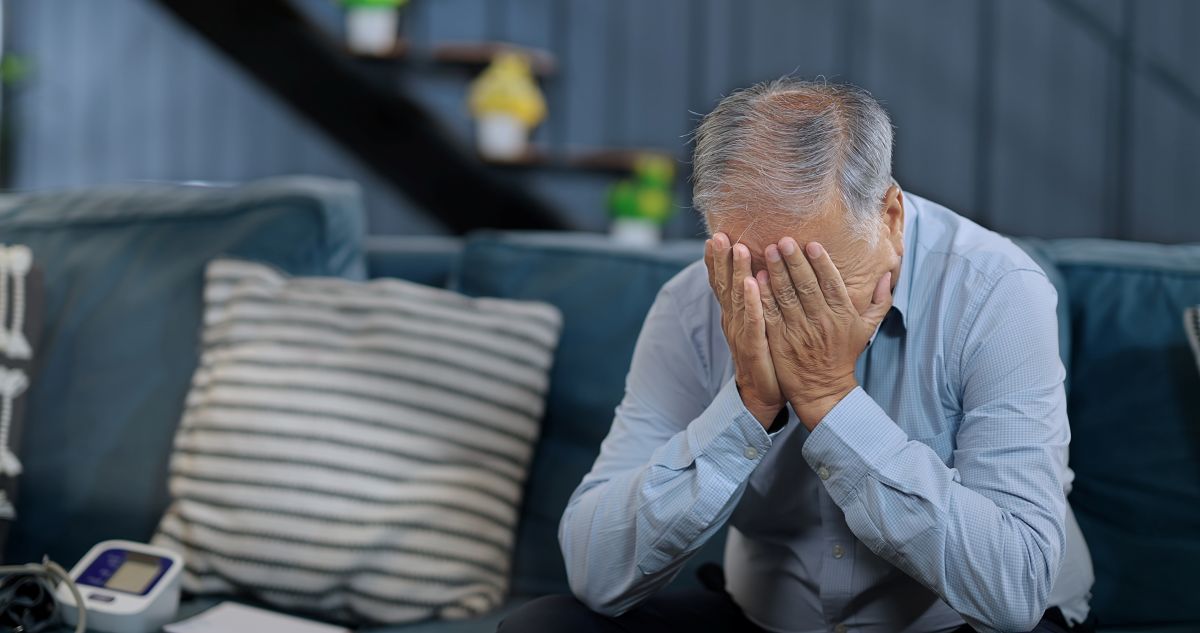
Grief is a universal experience, but its trajectory seems deeply gendered among seniors. According to a study published in the Journal of Affective Disorderscovering 26,000 Japanese, widowed men have an increased risk of depression and physical deterioration during the year following death.
Conversely, women show surprising resilience, sometimes going so far as to report greater well-being after a few years.
A harsher psychological and physical shock for men
For men, the first months without each other are the most critical. The study shows a peak in vulnerability during the first year: increase in depressive symptoms, feelings of hopelessness and decline in overall well-being. This shock is not just mental; it impacts the body. We observe higher mortality among widowers and an acceleration of cognitive disorders, such as dementia.
The paradox of the male social bond
If men become statistically more socially active after the loss, this hyperactivity hides a flaw. They multiply interactions, but these lack emotional depth.
“Man can put in place an avoidance mechanism to avoid showing that he is suffering. explain to True Medical
Aline Nativel Id Hammou, clinical psychologist.
Deprived of the emotional support provided by their spouse, they often find themselves helpless in the face of their own grief.
Why are women more resilient?
The contrast is striking: after a legitimate short-term drop in morale, women adapt better.
“Widowed women report increased happiness and life satisfaction” note the researchers.
They invest more in their own health (screening, care) and rely on a more solid and autonomous social and family network. For some, this new chapter even becomes an opportunity to refocus on their own needs.
“A loss of identity markers”, according to the psychologist
According to Aline Nativel Id Hammou, the generational factor is key. For these couples aged 65 and over, the “we” defined identity.
“Widowhood is a loss of identity: you lose your life partner even though you have been operational supporters throughout your life.she analyzes.
She emphasizes that men of this generation, often less accustomed to managing daily life and the mental load, can experience a “collapse” or a “total blur” where women, more autonomous in emotional management, manage to bounce back.
In short, for men, learning to express their vulnerability and seek outside help is essential to weather this storm.