
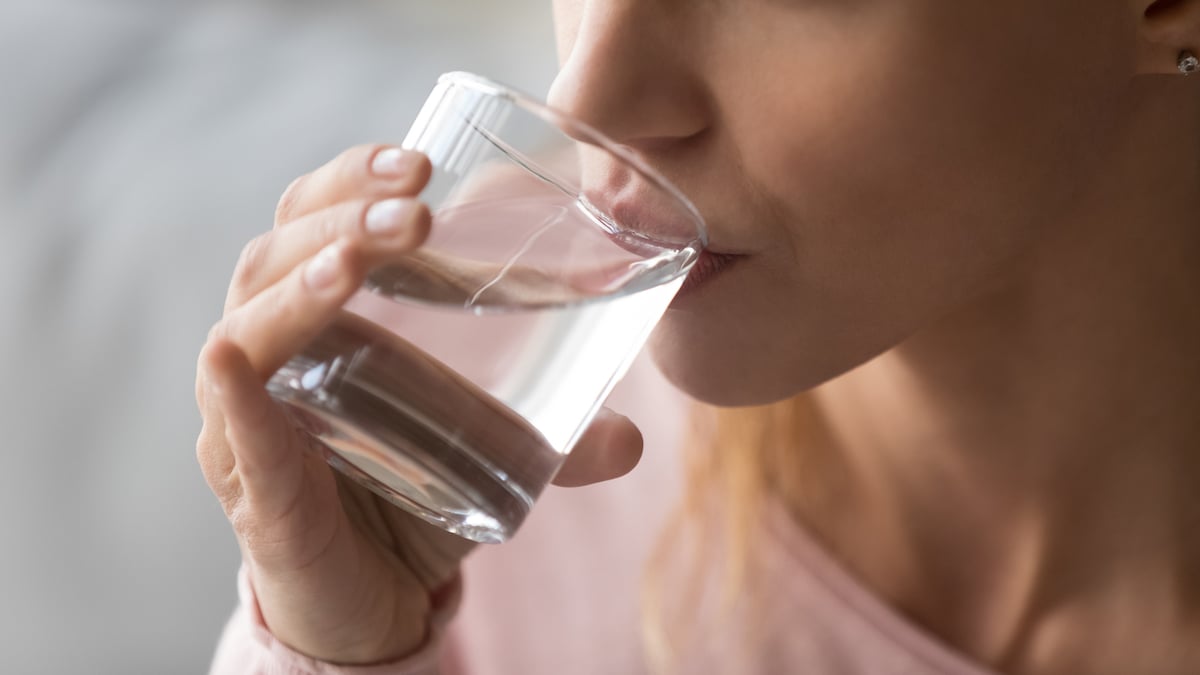
Drinking one or two glasses of water less than you should seem trivial. However, researchers have just shown that this lack of hydration leads to an unexpected reaction of the body: an overproduction of cortisol, also called stress hormone. And this reaction could have lasting health repercussions.
When the lack of water increases the stress tenfold
A study published in the Journal of Applied Physiology reveals that people who drink less than 1.5 liters of water per day see their response to stress increase by 50 % compared to those who respect the recommendations. This overproduction of cortisol is associated with a higher risk of cardiovascular, diabetes and even depression.
To achieve these results, the researchers followed two groups of young healthy adults. The first did not drink enough water on a daily basis (less than 1.5 liters), while the second had an optimal contribution (2 liters for women, 2.5 liters for men). All were subject to the social stress test of sorting, a protocol well known to scientists who combines false job interview and mental calculation under pressure.
“”The two groups felt just as anxious and experienced similar increases in their heart rate during the effort test. However, only the ‘weakly hydrated’ group has shown a significant increase in salivary cortisol in response to the effort test“Said Dr. Daniel Kashi, study co-author.
Urine analyzes confirmed these results: those of the participants who were little hydrated were darker and concentrated, a classic sign of dehydration.
Why dehydration activates stress hormone
The body is not content to wait when it lacks water. It triggers the production of a hormone called vasopressin, which pushes the kidneys to remember more water. But this hormone also acts on the brain, stimulating the hypothalamus, a center for the regulation of stress. Result: increased release of cortisol.
In the long term, this reaction can tire the body and accentuate the risks of developing chronic diseases. According to the researchers, water would therefore play a key role in the body’s ability to keep its cool in the face of everyday pressures.
Water, a simple ally against stress
For Dr. Kashi, teaching is clear: “Being hydrated can help your body better manage stress“. A simple mark lets you know if you drink enough: the color of the urine. Light yellow, everything is fine. Dark yellow, it’s time to fill your glass.
And the researcher concludes: “If you know, for example, that you have a busy schedule, an imminent deadline or a speech to be made, keeping a bottle of water at hand can be a good habit, potentially beneficial for your long -term health“.