
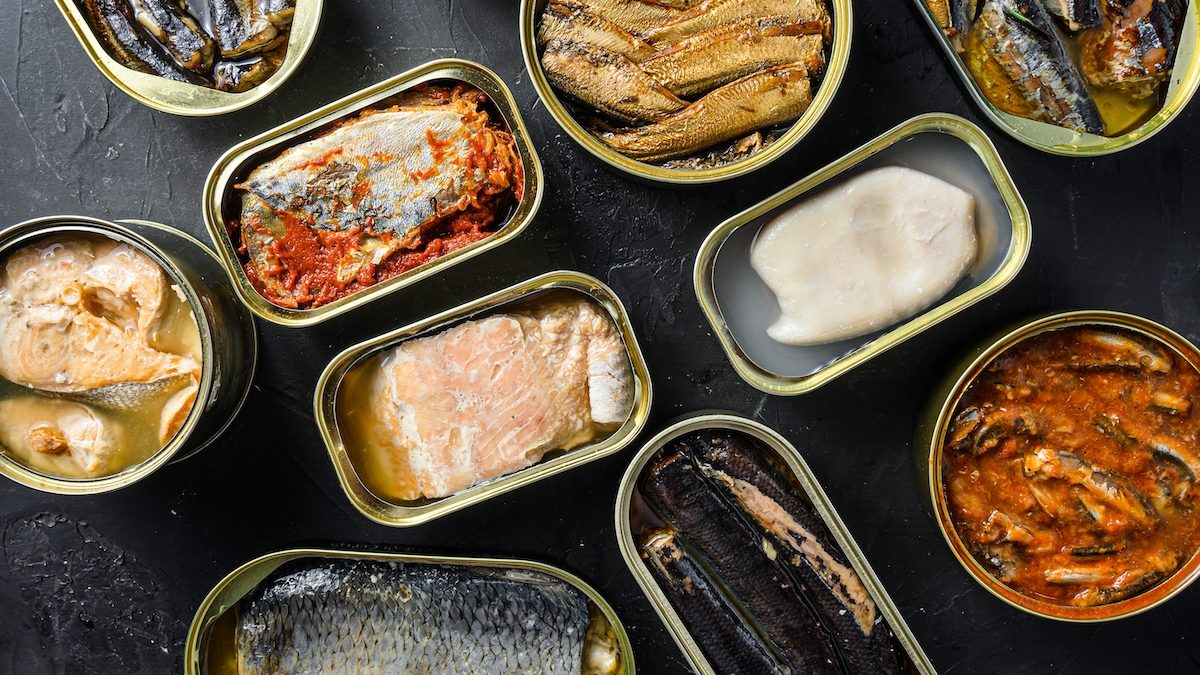
Often relegated to the role of seasoning on a pizza or in a tapenade sauce, the anchovy is nevertheless a real nutritional treasure hidden in the back of our cupboards. This small Mediterranean fish, available at a low price in cans, is today rehabilitated by Doctor William Berrebi for its numerous health benefits. And contrary to popular belief, it has nothing to envy of the stars of the sea like salmon or mackerel.
Anchovy, a concentrate of nutrients at a low price
Available in several forms – fresh, in salt, in oil – the anchovy retains most of its nutritional benefits even once canned. Please note that 50 grams are enough to cover the recommended daily intake of EPA and DHA, these famous omega-3 fatty acids essential to the proper functioning of the heart, brain and nervous system.
Doctor Berrebi recalls that its omega-3 content is certainly a little lower than that of mackerel or salmon, but remains “interesting” in the context of regular consumption. Added to this is a very complete mineral profile: iron, calcium (up to 542 mg/100 g), phosphorus, iodine, selenium. Valuable contributions, especially for people who consume little meat or dairy products.
A serious protein alternative to meat
If the anchovy is a sensation in terms of lipids, it also impresses in terms of proteins. With around 23 grams per 100 grams, it rivals certain red meats while being more digestible and much less rich in saturated fats. A boon for people who want to reduce their meat consumption without sacrificing protein intake.
“Anchovy can be eaten plain with bread, it can enhance a pizza…“, explains the doctor. It fits perfectly into a pesco-vegetarian diet, and allows you to diversify animal protein sources. It is also a good way to prevent certain deficiencies, particularly iron deficiencies, common among women or athletes.
A practical health ally for everyday meals
In addition to its nutritional qualities, the anchovy is a champion of practicality. Its canned format makes it an easy ingredient to store, keep for a long time and prepare quickly. It enhances the simplest dishes, from salad to focaccia, pasta or homemade spreads. A great option for express meals and impromptu aperitifs.
Doctor Berrebi recommends including it in the weekly intake of fatty fish, up to 140 grams per week. An easy-to-reach quantity that can be spread over several meals. And since it costs much less than salmon or tuna, it’s also a smart choice for those who want to eat better without blowing their budget.