
Viral diseases such as the flu, Covid-19 or even a simple cold are mainly transmitted by air. In fact, when a sick person coughs or sneezes, micro droplets are projected, which has the effect of contaminating others in the surrounding area.
However, viruses also have the capacity to survive for a few hours outside an organism and therefore to contaminate certain surfaces. This is where the risk sets in, underlines Dr Gérald Kierzek, because “the hands then carry microbes from contaminated objects to the face“.
The most contaminated places in the house
Certain areas of the house particularly concentrate bacteria and viruses:
- In the kitchen: sponges and cloths, cutting boards (especially after cutting raw meat), refrigerator handles, faucets and sinks;
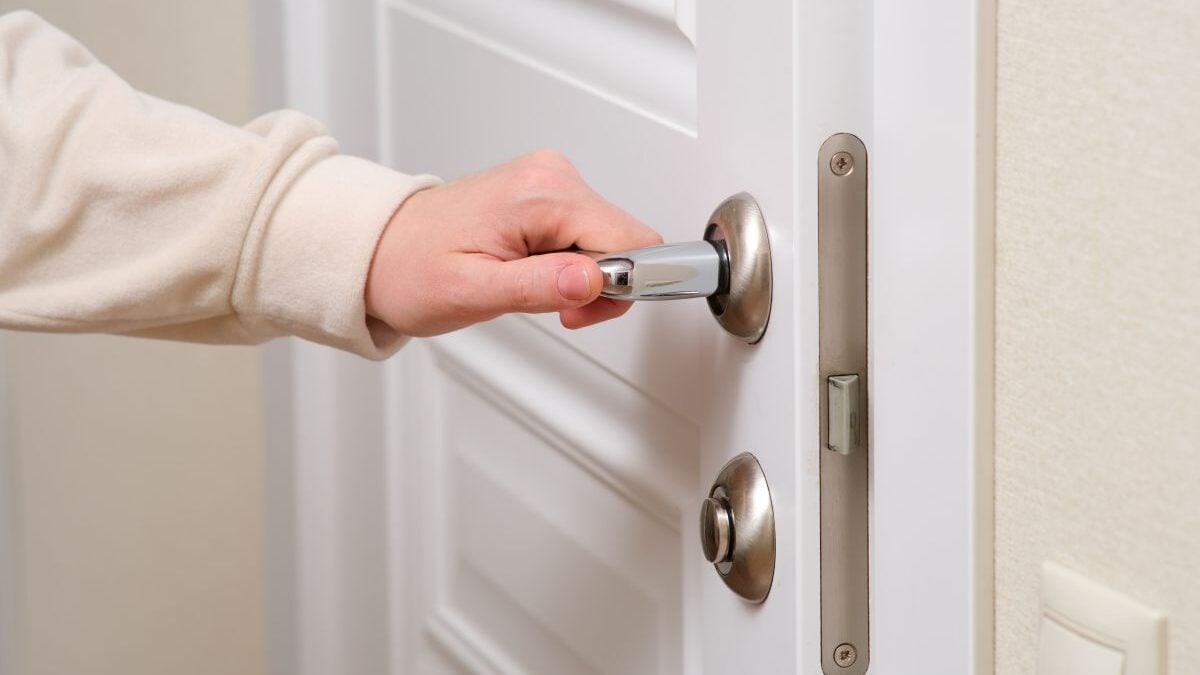
- In the bathroom: toothbrushes and their holders, reused towels, door handles and faucets;
- Everyday objects: phones, tablets, keyboards, mice, remote controls, switches, keys and door handles.
Outdoors, elevator buttons, subway bars, shopping carts, vending machines and restaurant menus are also important virus vectors.
Good actions to limit contamination
For Dr. Kierzek, it’s all about simple but consistent actions. “Hand washing remains the most important” he emphasizes. “Indeed, this gesture is much more effective than systematically disinfecting everything around us“. In the absence of water and soap, he recommends the use of a hydroalcoholic gel.
Hand washing must be systematic before meals, after using the toilet or after handling public objects. Cleaning should last at least 20 to 30 seconds, with a mild soap, followed by drying with a clean or single-use towel.
At home, here are the reflexes to adopt
In terms of maintenance, certain reflexes considerably reduce the risk of contamination. Here’s what our expert recommends:
- For phones and other electronic devices: cleaning must be daily with disinfectant wipes and avoid their use in toilets;
- In the kitchenchange the sponge every week, wash the tea towels at 60°C and disinfect the cutting boards after each use;
- In the bathroomchange the towels every three days, replace the toothbrush every three months and clean the surfaces every week;
- For frequently touched surfaces : handles, switches and remote controls must be disinfected every day with a suitable product or 70° alcohol.
Finally, as the emergency doctor reminds us, “regular cleaning of the most touched objects and good hygiene habits are generally sufficient to considerably limit the risks.”
Because the “Frankenstein” variant, as tenacious as it is, remains sensitive to classic barrier gestures: ventilation, hand washing and hygiene of everyday objects. Simple, but extremely effective reflexes to keep viruses at bay.