
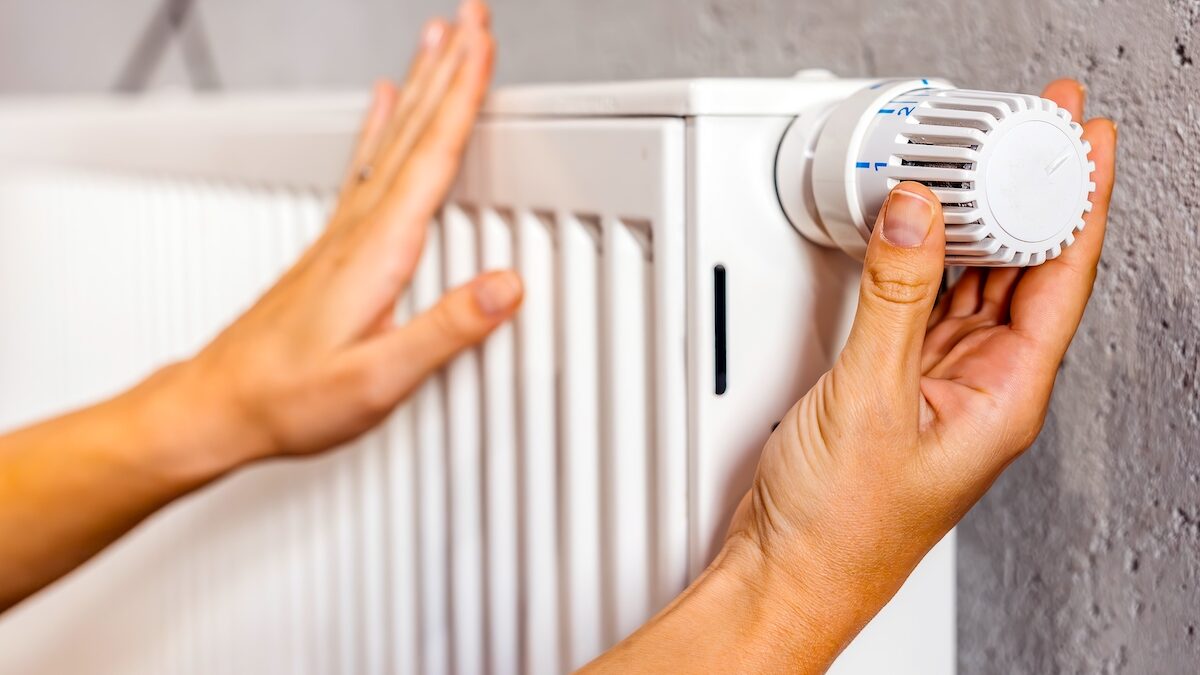
For decades, 19°C was the reference temperature in French homes. A standard almost set in stone, inherited from the 1970s, designed to save energy and limit emissions. But this sacred rule is wavering. In our modern homes, better insulated, more connected, sometimes transformed into offices, experts believe that we must now aim for… 20°C.
The end of a thermal dogma
“The 19°C rule is no longer adapted to modern comfort”, confirms Dr Gérald Kierzek, medical director of True Medical. “It was designed for poorly insulated housing and a time when people lived less at home. Today, with teleworking and more efficient homes, aiming for 20°C in living rooms is more realistic and healthier.”
In other words, 19°C was not a comfort value, but an economic compromise. In fact, staying still for several hours, while teleworking or watching a film, often makes this temperature too cool.
“At 20°C, the body more easily maintains a feeling of warmth, especially in a sedentary position”explains the emergency doctor.
And this additional degree is not just a matter of well-being: it limits condensation and the risk of mold, particularly in damp or poorly ventilated homes.
One house, but several temperatures
In reality, we should not talk about “the” temperature, but “the” temperatures. Exit the uniform instruction. The trend is now towards room-by-room regulation. For better comfort for all.
Here is the ideal heat map according to experts:
- Living rooms (living room, office, kitchen): 20°C. For thermal comfort adapted to daily sedentary lifestyle;
-
Rooms:
16 to 18°C. Fresher air promotes deep sleep. “The body must be able to give up a little heat to fall asleep.recalls Dr. Kierzek; - Bathroom : 22°C, but only for shower time. A occasional heating boost is enough to avoid thermal shock in the morning;
- Corridors, entrances and passage rooms: 17°C No need to heat where you don’t stay!
The right reflex: each degree less represents approximately 7% energy savings.
To adjust without wasting, connected thermostats have become the ally of modern homes. Programmable remotely, they adapt the heating to your schedule, anticipate your return or automatically reduce the temperature at night.
By 2027, all French homes will have to be equipped with an automatic regulation system – a turning point towards more economical and intelligent heating.
How to find your thermal balance?
Finally, to avoid turning up the heating without counting, Dr Kierzek advocates a pragmatic approach:
“If you’re cold, start by adding a layer of clothing. If that’s not enough, turn the thermostat up one degree and see how you feel. Comfort isn’t a rule, it’s a feeling.”
In short, the right setting is one that balances comfort, health and energy efficiency.