
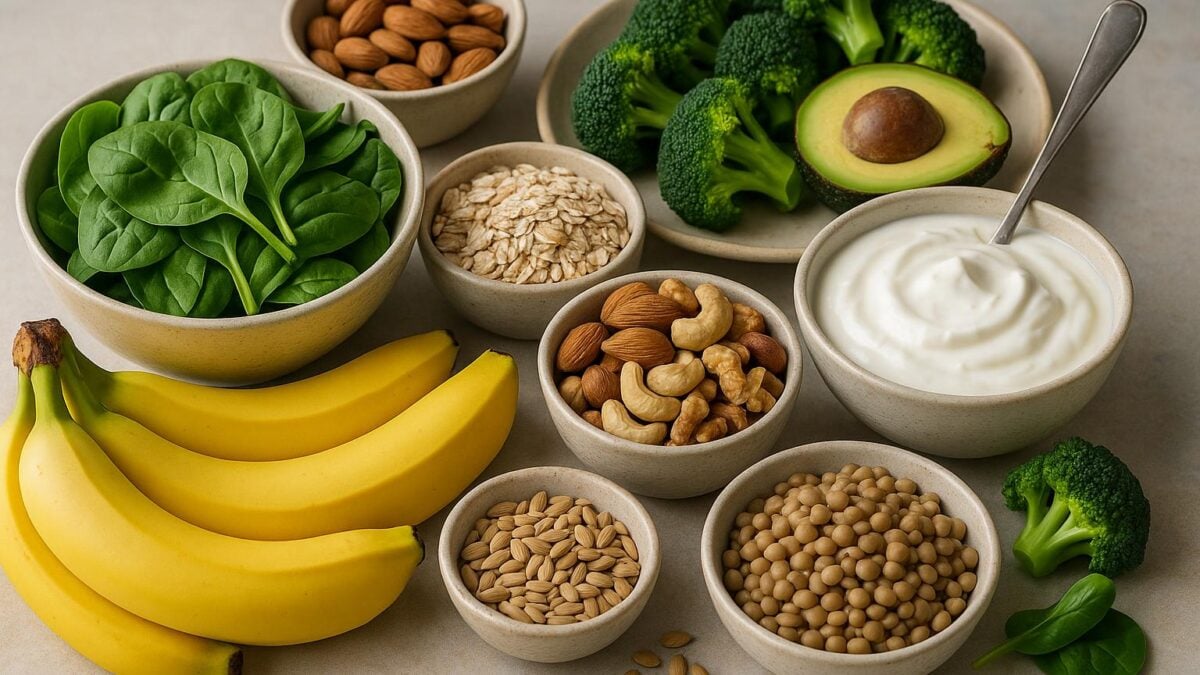
Are you trying to lower your blood pressure without disrupting your daily life? Good idea: hypertension often sets in silently and ends up weighing on the heart, brain and kidneys. Doctors ideally aim for a pressure below 120/80 mm Hg, a target achievable with a better thought-out setting. Because dietitians remind us: certain nutrients can really lower your blood pressure. No need for complicated recipes, but good repeated reflexes.
Why diet affects blood pressure
“Foods can influence blood volume, flexibility of arteries and how your body regulates sodium and fluid balance, all of which affect blood pressure“, says Kim Blum, dietician cited by
EatingWell.
Concretely, the most solid approach is inspired by the DASH eating plan, centered on fruits, vegetables, whole grains and low-fat dairy products.
Potassium
Potassium helps the body eliminate excess sodium through urine and promotes more flexible vessels. L’American Heart Association recommends aiming for 3,500 to 5,000 mg per day via diet if looking to prevent or treat hypertension. As an order of magnitude: a medium banana provides around 450 mg, a cooked sweet potato around 570 mg. “When potassium levels drop too low, your arteries can stiffen and lose flexibility, leading to higher blood pressure over time.“, explains Leisan Echols, dietitian.
Magnesium
When it comes to magnesium, leafy vegetables, legumes, nuts, seeds and whole grains are rich in it. “Magnesium helps relax muscles, including the walls of your arteries“, explains Maura Fowler, registered dietitian-nutritionist. “If you don’t eat enough foods containing magnesium, it could lead to constricted arteries“, which increases blood pressure. The recommended intake for adults is between 310 and 420 mg per day; one ounce of roasted pumpkin seeds provides 156 mg. Talk to your doctor before any supplementation, especially magnesium.
Calcium
Calcium completes the equation via fortified dairy products or equivalents: “Calcium helps blood vessels contract and relax as needed“, says Kim Blum, which lowers blood pressure and makes it easier for your heart to pump blood around your body.
Fibers
Fiber works behind the scenes via the microbiota, blood sugar and weight. “They feed the good bacteria in your gut, which produce short-chain fatty acids like butyrate that help reduce inflammation and keep your blood vessels functioning properly.“, explains Leisan Echols. “Fiber also supports better blood sugar control, improves insulin sensitivity and helps with weight management, all of which lightens the load on your cardiovascular system.“Lentils, cabbage leaves, oatmeal, raspberries and chia seeds are smart choices.”They’re flexible enough to toss into soups, salads, and hot breakfast bowls without much thought“, notes the expert.
DASH routine: a daily lever
To stick to the DASH diet, aim for three to five servings of fiber-rich vegetables and fruits daily, four to eight servings of whole grains, and three to five servings of nuts, seeds and legumes per week. Additionally, add two to three daily servings of fat-free or low-fat milk or yogurt, with a guideline of 1 cup of milk or yogurt, or 1.5 ounces of cheese per serving.
The rest also counts for tension: moving, sleeping better and limiting excesses. It’s sometimes difficult, but it pays off.
- Regular exercise (at least 150 minutes per week);
- Stop smoking;
- Limit alcohol;
- Lose weight if you are overweight or obese;
- Manage stress;
- Get enough quality sleep (at least seven hours each night).