
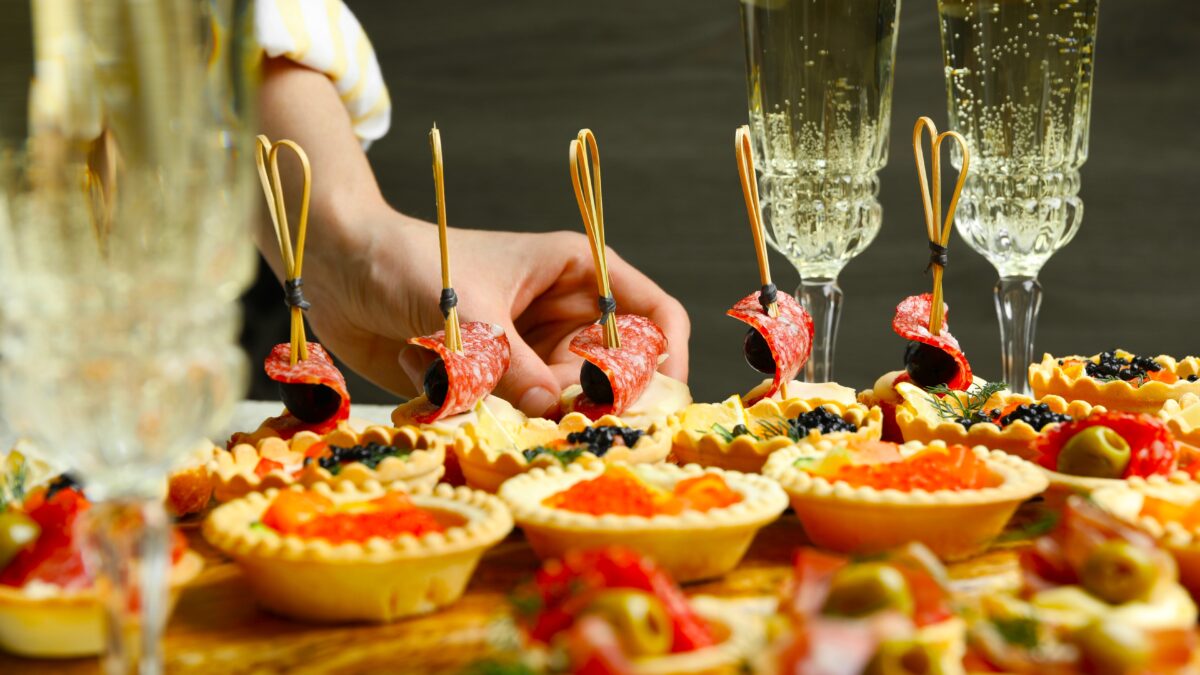
As the holidays approach, anxiety often returns for those suffering from cholesterol. The question is often the same: how to enjoy aperitifs without feeling guilty? Because they are often flaky and rich in butter, cold meats and other cheeses… To find out True Medical asked the question to dietician-nutritionist Vanessa Bedjaï-Haddad.
It’s not one meal that will change your balance
“It’s not Christmas dinner that raises your cholesterol… but what you eat 350 days a year” immediately reminds the dietitian. Clearly, it is not one evening that weighs down your lipid profile, but the routine established all year round.
This doesn’t mean we should ignore balance. Certain choices avoid the famous trio of heaviness, digestive discomfort and unnecessary excess. And we have to admit: classic petit fours are often responsible! So which type should you choose, to avoid making an already dense meal heavier?
Adapt the festive aperitif: focus on good fat and freshness
Good news: there are options that are just as festive, but lighter on the heart. The idea is simple: adjust, not change everything.
We start by sorting out what really pleases us. “Prioritize based on what you really want to eat: choose the petits fours that are important to you and leave out the rest. advises our expert first.
Then, we bring freshness to break up the richness of the aperitif. “Balance your plates: always add a vegetable or a fresh/tart option to lighten everything up (raw vegetables, pickles, citrus fruits).
The choice of fats also matters a lot. “Focus on good fats: salmon, nuts, avocado, oils rich in omega-3, which will be your allies in supporting good cholesterol.
Another essential reflex: don’t arrive hungry on New Year’s Eve, because deprivation creates the perfect environment for excess. “Avoid this practice, as it increases the risk of overconsumption in the evening. Eat normally during the day” recommends Vanessa Bedjaï-Haddad.
And once the meal is finished, a little movement is enough to help the body manage fat and sugar. “Move a little afterwards: 10 minutes of walking remains the best metabolism of fats and post-meal blood sugar.”
What are the recipe ideas to favor?
To lighten up without sacrificing taste, several alternatives work perfectly:
- Mini blinis with salmon and lemon instead of puff pastries;
- Wholemeal bread toasts with hummus and pomegranate rather than melted cheese;
- Avocado, shrimp and fresh herb bites instead of charcuterie canapes;
- Spoons of cucumber garnished with tuna rillettes with yogurt, lemon and capers which easily replace classic rillettes;
- Cherry tomato skewers, light mozzarella and homemade pesto for a lighter contrast;
- Or even mushrooms stuffed with ricotta and herbs to avoid the cream-cheese-bacon trio.
Each alternative provides more good fats, more fiber or more freshness, while keeping the festive spirit.
For a healthy heart during the holidays
Christmas can still be a time of complete enjoyment without sabotaging your cardiovascular health. The goal is not to erase all your traditions, but to tweak a few choices to limit saturated fats, provide more good fats and integrate freshness, where the plate becomes too rich.
“Pleasure will remain at the center of the table, and this is what allows you to fully enjoy the meal.” she concludes.