
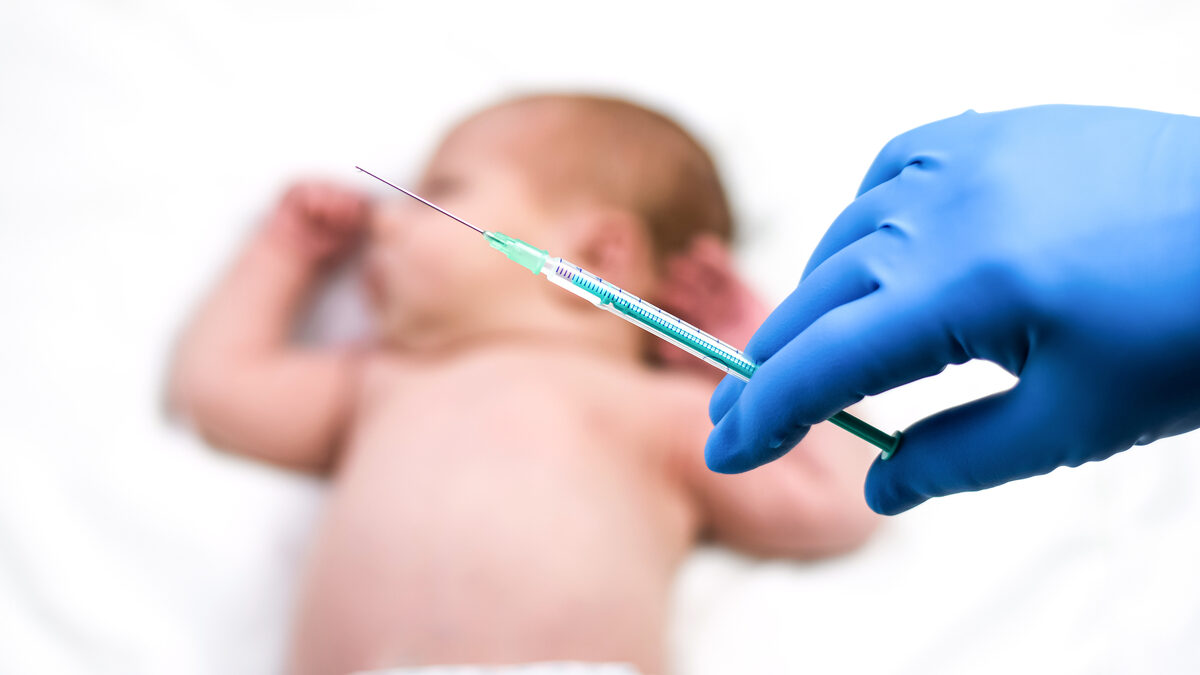
The announcement made all French doctors and pediatricians scream. In the United States, a group of “experts” appointed by the Minister of Health has in fact decided to no longer systematically vaccinate newborns against hepatitis B… without any benefit having been proven.
A review of the childhood vaccination schedule
The events took place this Friday, December 5. Certain members of the advisory committee, headed by vaccine skeptic Minister Robert Kennedy Jr, have revised downward certain vaccine recommendations that have been in force for more than 30 years. In total, eight “experts” voted against the systematic injection of the first dose of hepatitis B vaccine in the first hours after birth.
In detail, this means that mothers who test negative for the virus will be able to choose whether they want – or not – to have their baby vaccinated. A development with catastrophic consequences, according to caregiver associations.
“This irresponsible and deliberately misleading directive will lead to an increase in hepatitis B infections among infants and children. regrets Susan Kressly, president of the American Academy of Pediatrics.
However, on Friday, three members of the committee opposed this decision, recalling that no benefit had been demonstrated. Maternal hepatitis screening appears to be unreliable in the United States and babies still risk being exposed to the virus (via other people around them: uncles, aunts, grandparents, etc.).
Result ? By modifying this vaccination practice, “we cause harm”, underlines Dr. Cody Meissner, one of the dissenting voices on the committee.
Hepatitis B remains a serious viral infection
Hepatitis B is a dangerous viral infection, which is spread by contact with infected bodily fluids (blood, saliva, vaginal fluids, etc.). However, when a mother is infected, the baby directly suffers the consequences: he generally has a low birth weight.
A newborn who contracts hepatitis B can also develop a jaundice, lethargy, stunted growthswelling of the abdomen and chalky stools.
“In rare cases, the infection is severe and fatal“, warns the MSD Manual.
A risk of liver cancer
In addition, the younger children are infected with the disease, the greater the risk of developing liver cancer.
“SIf a baby is affected by hepatitis B during their first year of life, the risk of developing chronic hepatitis (an inflammation of the liver that persists for at least 6 months) is more than 80%. warns the vaccination-info site.
However, let us remember: the hepatitis B vaccine has already proven itself. According to the World Health Organization, it protects 95% against infection, chronic hepatitis and liver cancer.
Hepatitis B, vaccine and infants: good practices
Doctors are clear on this subject: all newborns must be vaccinated as soon as possible after birth. Then, two or three additional doses should be administered with an interval of at least four weeks.
In some cases, vaccination differs:
- Newborns of mothers with chronic hepatitis B also receive 3 doses, but at different times: 1 dose at birth associated with the administration of specific immunoglobulins, then at 1 month and 6 months.
- Premature babies less than 32 weeks or less than 2 kg receive 4 doses: 1 dose at birth, then at 1 month, 2 months and 6 months.
In France, vaccination against hepatitis B is compulsory for all infants born since January 1, 2018 from the age of 2 months. Vaccination is also recommended, as a catch-up, for all children or adolescents up to the age of 15 who have not previously been vaccinated. The vaccination schedule provides for 3 doses at the ages of 2 months, 4 months and 11 months. The use of a combined vaccine against diphtheria, tetanus, whooping cough, poliomyelitis, infections with Haemophilus influenzae b and hepatitis B makes it possible to simultaneously immunize the infant against all these diseases.