
If Christmas represents for many of us a joyful time when the smell of cinnamon invades our homes, it is also the time to go shopping. And precisely on this subject, Lidl competes in ingenuity to seduce our taste buds: the discount specialist has released, this year, a brioche specialty at low prices, which combines several flavors of our childhood. However, should we rush for it with our eyes closed? Julie Boët, dietitian-nutritionist, deciphers the composition of this dessert.
A fruity sweetness sold at a low price
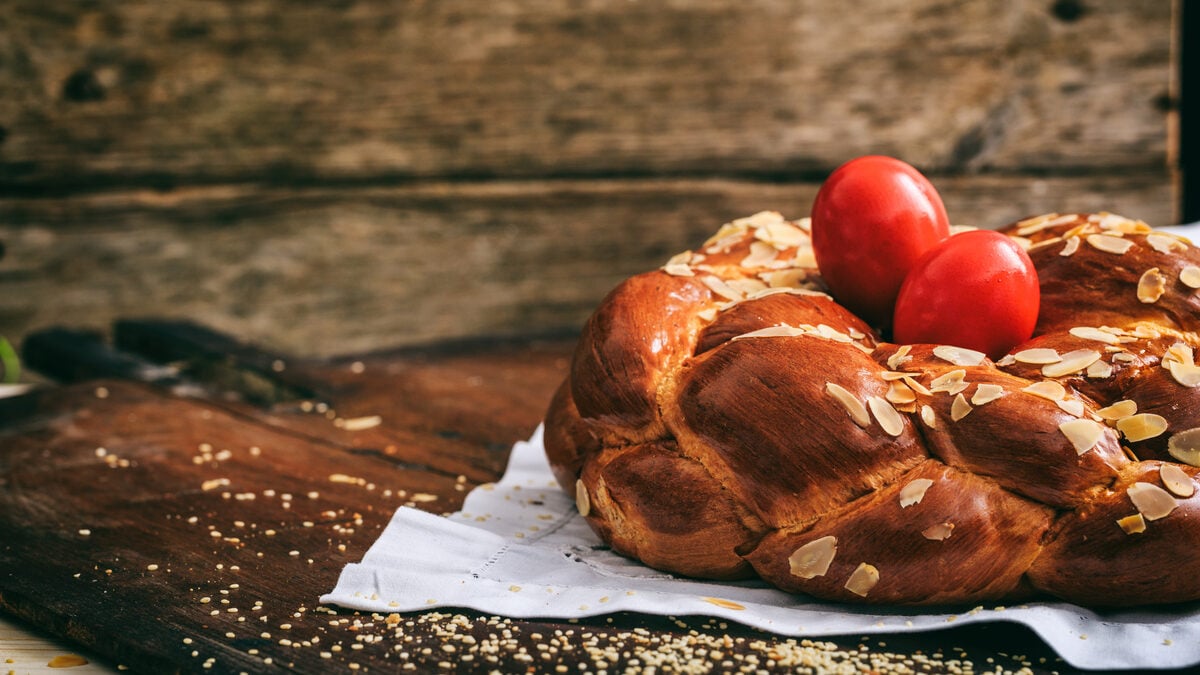
This dessert is none other than a Christmas brioche, with orange blossom. Sold at a very affordable price (€2.79), it is intended to be lighter and airier than its cream or butter competitors (the famous pastry logs). Despite everything, it is an industrial brioche, which can be full of sugar, additives, flavorings and saturated fats…
A recent survey carried out by Yuka showed that few brioches stood out on the shelves. Most have excessive sugar and salt content, which has a significant impact on our health.
Regular consumption of this type of processed product can, it is true, promote the appearance of various pathologies: obesity, hypertension, diabetes and cardiovascular diseases. The presence of palm oil also reinforces the unfavorable profile of certain brioches.
So what do you think of the one sold at Lidl? We asked Julie Boët, dietician-nutritionist, the question… and here is her answer.
A not-so-light alternative
If you are still hesitating between the pastry log and the Lidl brioche crown, be careful: the latter is not as healthy as it looks.
“Brioche is often seen as a “lighter” alternative, but this is not always true. It contains flour, butter, eggs and sugar, which makes it energy dense despite its airy texture. Industrial versions are easily around 300 to 400 kcal/100 g. The pastry log, depending on its composition (butter cream, mousse, sponge cake), can display similar values, sometimes a little higher, but not to the point of justifying the idea that one would be “much better” than the other. Both remain sweet, fatty, festive products, whose objective is pleasure rather than nutritional interest. recalls Julie Boët.
Finally, the idea that brioche is more “reasonable” than another dessert comes mainly from its texture. But in reality this airy aspect can also be likened to a form of trap: the brioche, more airy, can encourage you to eat more, while the log, richer, often fills you up more quickly.
“Despite everything, the dessert you choose will not have an impact on your weight in the long term. It is your overall habits that count, not a food consumed at Christmas. We must also not forget the social and emotional aspect: sometimes, enjoying a family log has more value than opting for the option perceived as “more reasonable”, underlines the dietitian.
At parties, pleasure takes precedence over calories
Food, especially during the holidays, is not just about the number of calories: it must also offer a certain form of pleasure and strengthen our connection to others.
In summary, neither option is perfect… and that’s not the role of these desserts!
“Choose the one you want, without guilt. And if you prefer to taste both, that’s perfectly acceptable: it’s never the occasional desserts that are the problem, but the way you feel about them!”, concludes the expert.