
Cholesterol often evolves silently, without visible symptoms… until it becomes a major risk factor for the heart. However, before even considering treatments, certain dietary actions can make a difference. Among them, integrating a small seed into your daily life could well be a game-changer.
Targeted action on “bad” cholesterol
Long relegated to the status of a discreet health food, flax seeds are now attracting the attention of researchers. Their richness in soluble fiber, omega-3 (alpha-linolenic acid) and lignans gives them real cardiovascular benefits.
Their main asset? The fibers they contain capture part of the cholesterol from food in the intestine, thus limiting its absorption. Result: a reduction in LDL, often called “bad” cholesterol. At the same time, their anti-inflammatory compounds contribute to a better overall balance between LDL and HDL (“good” cholesterol).
Clinical work carried out in patients at cardiovascular risk confirms these effects: daily consumption of ground flax seeds has reduced LDL cholesterol by up to 15% from the first month, with benefits maintained over several months. Notably, this effect is observed even in people already treated with statins, without interfering with their effectiveness.
A simple habit to integrate into your daily life
Good news: no need to consume large quantities to benefit from it. One tablespoon per day is generally enough to see effects after a few weeks to a few months.
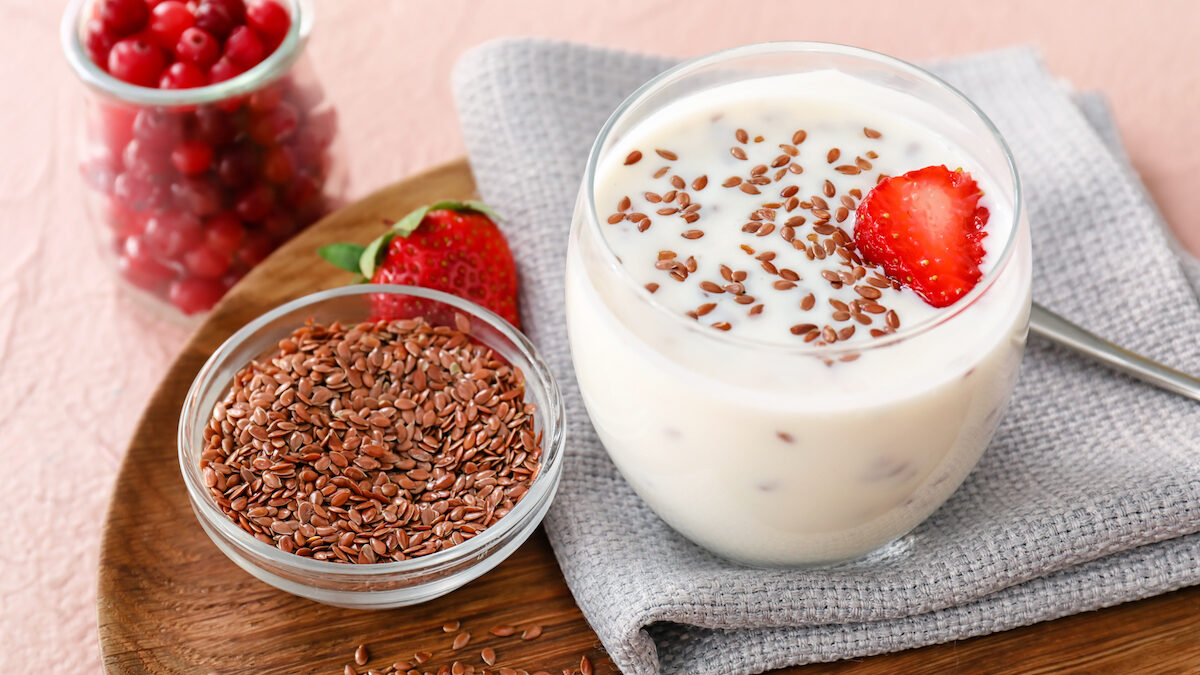
Easy to integrate, flax seeds are sprinkled on yogurt, added to a smoothie, soup or salad. To fully benefit from their benefits, it is however recommended to consume them ground: whole, they are less well digested and their nutrients less absorbed.
Also pay attention to their storage: once ground, they must be placed in the refrigerator and consumed quickly, because their omega-3s are sensitive to oxidation.
Real benefits… provided a healthy lifestyle overall
Although flax seeds are a real asset, they do not replace a balanced diet. To maximize their effect, it remains essential to limit saturated fats, favor good lipids (such as those from fatty fish or vegetable oils) and increase your consumption of fruits and vegetables.
Some precautions are also necessary: flax seeds should never be heated, as this risks degrading their nutritional properties. Finally, their consumption must remain moderate. In excess, they can cause digestive disorders, and their phytoestrogen content requires particular vigilance in certain situations.
Easy to adopt, inexpensive and supported by solid scientific data, flax seeds stand out as an interesting natural solution for taking care of your heart on a daily basis – a small habit, with a big benefit.