
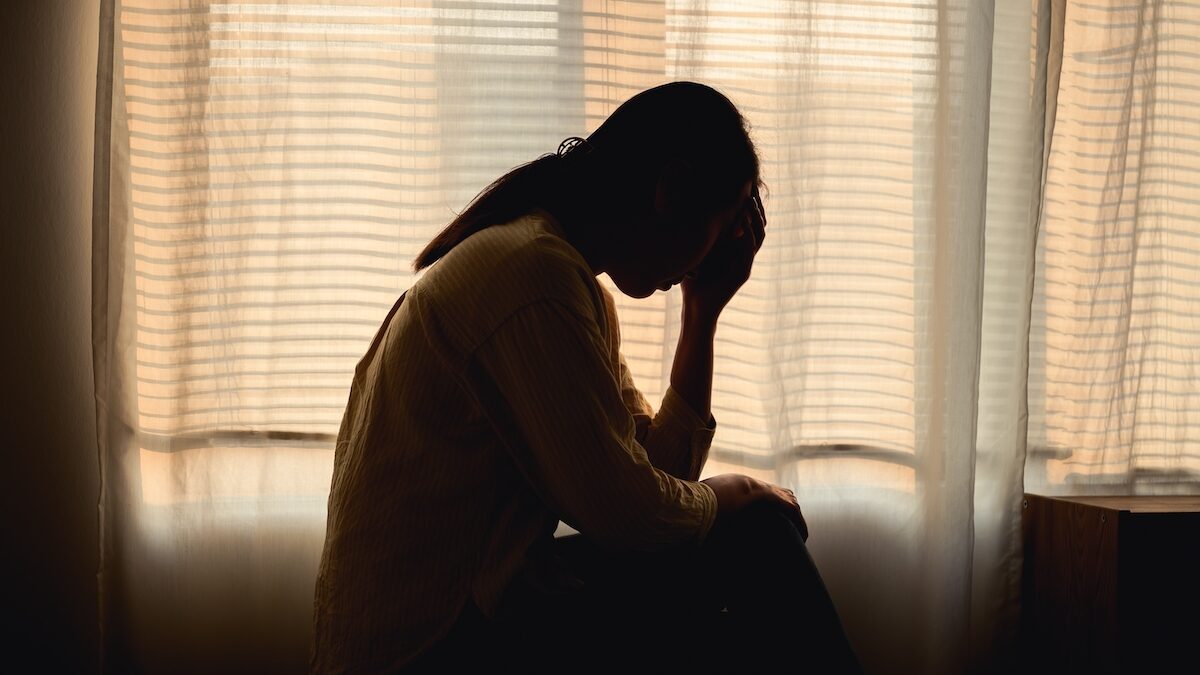
Even before the birth of a child, the fear of parental burnout sets in. And once mothers, thousands of women testify, often anonymously, to physical and mental fatigue which disrupts their daily lives. On online forums, words are freed.
Even before becoming a mother, the shadow of doubt
Motherhood is no longer obvious, it becomes a question. A projection, sometimes a worry. The Reddit × OpinionWay study reveals a striking figure: 22% of women fear parental burnout or postpartum depression even before having a child, compared to 13% of men.
This discrepancy says something deeper. It tells of an anticipation of the weight to come, a new lucidity about what becoming a mother entails. Because beyond the idealized image, the constraints are well identified: lack of sleep (19%), loss of time for oneself (17%), or even the fear of slowing down one’s career (9%).
These concerns are not just abstract projections. They are anchored in a reality observed, transmitted, sometimes suffered by those around them. Motherhood now takes place in a context where women measure, in advance, the profound transformations it induces — on the body, on professional life, on personal balance.
A first crack in the traditional story, where motherhood was often presented as a happy, almost natural fact.
Once a mother: exhaustion becomes reality
But for those who take the plunge, the shock can be even harsher. According to this same study, 34% of mothers report experiencing parental burnout, compared to 18% of fathers. Behind these figures, experiences. A fatigue that sets in, diffuse, persistent. Broken nights. A constant mental load. And sometimes, a loneliness that is difficult to name.
Anonymous testimonies, rare in the public space, reveal a more ambivalent experience of parenthood. They reveal the gaps between what is expected and what is experienced. Between the ideal and the reality of everyday life.
Towards freer speech, and better supported motherhood
What this study reveals, ultimately, goes beyond the numbers. It highlights a cultural shift. A generation of women who dare to question, nuance, sometimes deconstruct the story of motherhood. Not to reject it, but to make it fairer and closer to lived reality.
Because recognizing fatigue, doubts, even distress, does not mean weakening motherhood. On the contrary, it is to restore all its complexity — and open the way to more human, more attentive, more adapted support.
An essential step so that, behind each birth, there is not only a child who grows up, but also a woman who does not fade away.