
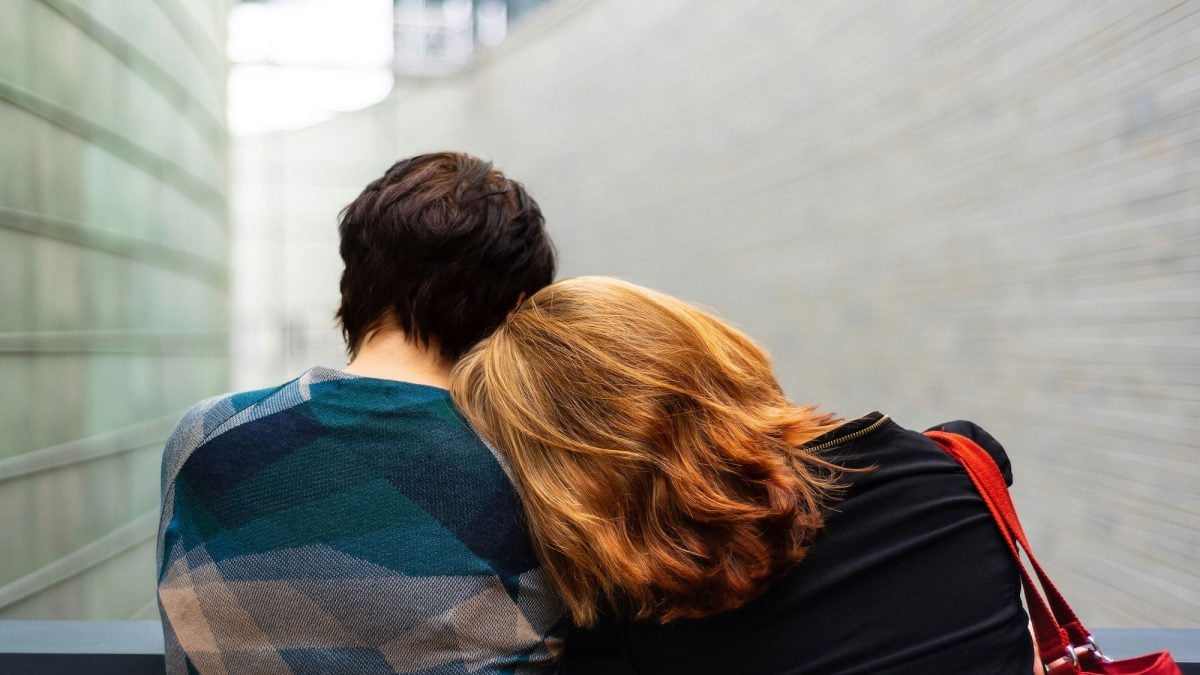
Researchers from Linköping University have proven this thanks to an original experiment. Nearly 300 volunteers took part in what the scientists called an “empathy selection task.” Their mission: choose between two piles of cards, one inviting an empathetic posture, the other a neutral and descriptive approach. Once their card in hand, they discovered a photo, sometimes an isolated face, sometimes a small group. They then had to associate three keywords with the image, focusing either on perceived emotions or on purely visible elements.
As a result, the volunteers were more inclined to choose empathy when dealing with a group. On average, they opted for empathy in 53% of cases when faced with a collective image, compared to only 34% when dealing with an individual portrait. “(T)he participants were more inclined to feel empathy towards a group than an individual, even though they found this experience more demanding and more destabilizing than remaining neutral“, explains Dr Hajdi Moche, lead author of the study, in a press release.
How to explain this bias? On the one hand, group images offer more contextual elements (postures, interactions, varied expressions), which facilitate emotional identification. Conversely, a face alone, frozen and without a narrative framework, leaves little room for interpretation. “Understanding what a person is going through requires much more effort, imagination and empathy than simply describing their appearance, such as the color of their hair.“, specifies Dr. Moche. “It’s even more difficult when you only have a neutral face in front of you, with no body language or context to help interpret“.
Better understand empathy to better encourage it
Another avenue put forward: empathy towards a group could seem more accessible, because it gives the impression of succeeding in emotionally connecting with others. This feeling of competence builds participants’ confidence, prompting them to be more empathetic. Paradoxically, although it is more difficult to describe a group than a single person, this extra effort would have made the experience more stimulating.
Beyond this laboratory experiment, the implications of this study are broad. These findings could enrich our understanding of empathy in real-world contexts such as humanitarian disasters and armed conflicts. Because even if empathy has a cost, we would be more inclined to pay it when several looks catch our attention at the same time in a photo.
To further refine their understanding of the mechanisms of empathy, the researchers plan to take the experiment further. “It would be interesting to explore this question further by directly contrasting the individual and the group and letting participants choose with which they prefer to empathize, and then, in another round, with which they prefer to remain objective.“, suggests Dr. Moche.
Because ultimately, this study reminds us that empathy is not an unlimited or automatic resource. It depends on what we see, on the way in which the other is presented to us, and on the bond that we allow ourselves to create. By better understanding what gives rise to it, we could better mobilize it, whether in public policies, the media or our daily lives, in order to leave no one outside the scope of our sensitivity.