
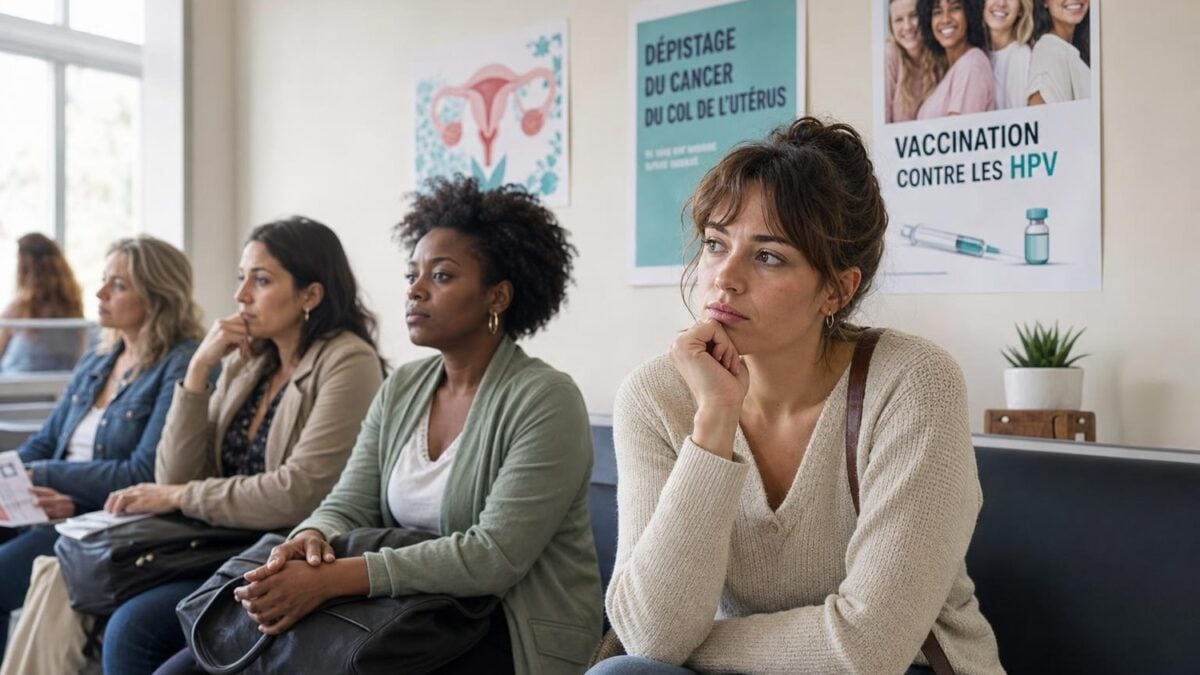
In France, a largely preventable cancer continues to kill around 800 women each year:
cervical cancer. Linked to human papillomavirus, it could often be avoided thanks to
screening and vaccination, but participation in the National Organized Cervical Cancer Screening Program (PNDOCCU) remains low. Public Health France reports a national participation rate of 60.9% in 2024, far from the objective of 80% set by the ten-year strategy to combat cancer 2021-2030.
Behind this average figure, the study conducted by Céline Audiger for Public Health France in the Weekly Epidemiological Bulletin of May 26, 2026 shows that all women are not affected in the same way by cervical cancer screening. The authors mention “the role of dimensions often absent from French surveys: history of sexual violence, the importance that women give to sexuality, sexual orientation, particularly homosexual, relationship status and recent sexual practices”.
Cervical cancer screening still very uneven
Among the 3,481 women aged 25 to 65 interviewed in the survey
Context of sexualities in France81.9% say they are up to date with their smear screening. This overall rate masks a massive gap: Public Health France indicates that only 58% of lesbian women are up to date with their cervical screening, compared to 83% of heterosexual womenwhile bisexual women are also more exposed to non-recourse.
The researchers point out that this lower participation is explained by a lower perception of risk, limited access to sexual health advice and gynecological consultations focused on heterosexuality, sometimes marked by stigma or discomfort. According to the National Cancer Institute, the human papillomavirus can however be transmitted between women, during intimate skin-to-skin contact, which makes screening just as necessary.
Orientation, violence and sexual life: what the Public Health France study shows
Another group in decline: women who have suffered
sexual violence. Public Health France observes that 79% of them are up to date with their screening, compared to 84% among those who do not report violence. The very intimate gynecological examination can reactivate the trauma, rekindling the fear of losing control, especially when professionals are not trained to adapt their care.
The study also highlights the role of sex life recent. Women who have had a partner within the year and those who consider it “important to have a sex life to feel good” are screened more, as are those who report oral-genital practices. Conversely, the absence of a sexual life can lead to a “break in the prevention dynamic”, with gynecological follow-up gradually fading away.
Towards more inclusive and less traumatic cervical screening
For Céline Audiger and her colleagues at Public Health France, these results call for more inclusive messages. The researchers recommend remembering that “no sexual practice, with partners of the same or different sex, exempts from screening”, and implementing gynecological practices attentive to a history of violence, integrating a trauma-sensitive approach.