
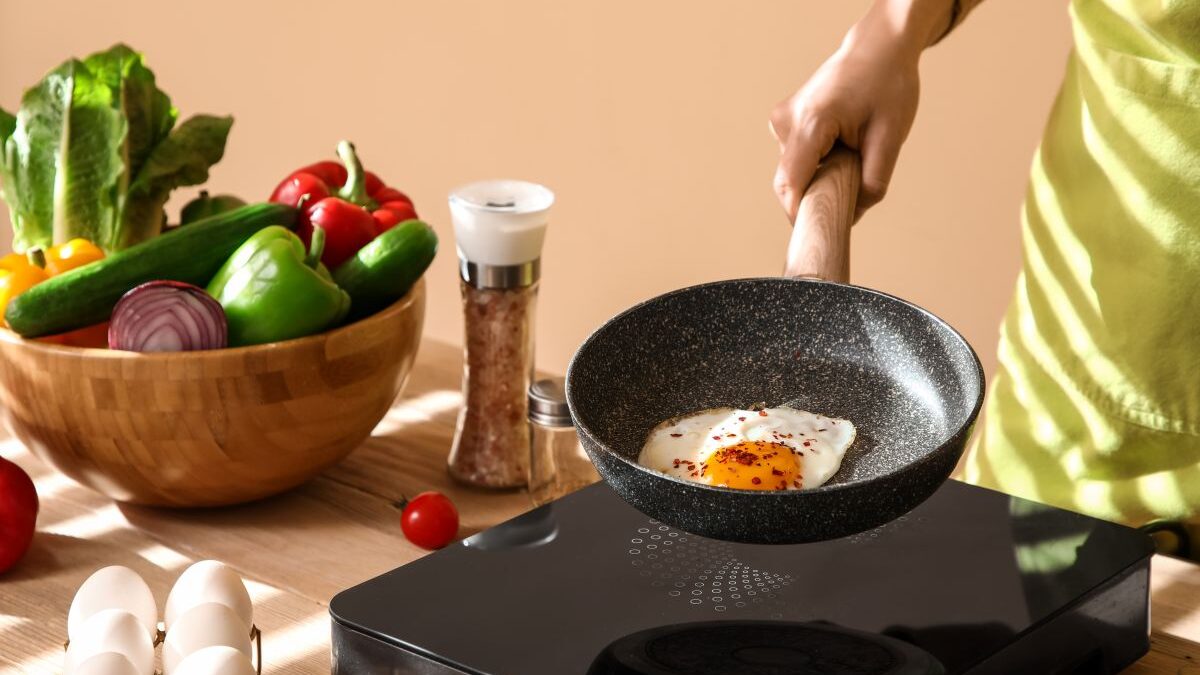
Summer is finally here, but with it sometimes comes stifling heat waves, like right now.
The very idea of standing in front of smoking stoves is enough to take away our appetite.
Between the rise in ambient temperature generated by our household appliances and the physical fatigue directly linked to the heatwave, our way of cooking must adapt. Fortunately, it is entirely possible to reconcile thermal comfort and nutritional balance with a few simple adjustments.
Appliances to ban and the right timing for cooking
The first reflex to adopt during periods of high heat concerns the management of our household appliances. Some of them quickly transform your kitchen into a real sauna. Julie Boët is categorical on this point. “The first recommendation is to avoid as much as possible turning on major heat sources, in particular the traditional oven which can significantly increase the temperature of the room for several tens of minutes.
To get around this problem without giving up cooked meals, the expert suggests trickery with the sundial.
“When possible, it is better to schedule cooking early in the morning or in the evening, when outside temperatures are cooler.”
Water, stove and Air Fryer: the winning trio for summer cooking
Although certain foods must be cooked, not all methods are equal to preserve the freshness of your home. The dietician directs us towards three alternatives that are much less stifling than a traditional oven.
First, the classics:
“Cooking in water remains a simple and relatively unrestrictive solution, especially for starchy foods such as potatoes, rice or pasta. Cooking in a pan can also be suitable when it is quick and done with little fat. she mentions.
Finally, for those who fear having to monitor a hot pan, a new major ally is needed in our kitchens.
“As for the air fryer, it constitutes an interesting alternative since it heats the environment less than a conventional oven while allowing vegetables, fish or poultry to be cooked in often less time.”
The no-cook choice: freshness and hydration on the menu
When the thermometer reaches new heights, the best option is still not to cook at all at mealtime. Cold dishes then become our best allies to get through the heatwave with complete peace of mind.
“However, the best strategy on the hottest days is often to favor meals requiring little cooking. Large mixed salads or cold soups like gazpacho with toast, allow you to combine raw vegetables rich in water, proteins already prepared or quickly cooked, as well as starchy foods cooked in advance and then cooled. This organization limits the time spent in the kitchen while promoting a refreshing and hydrating diet.”
In addition, these menus give pride of place to the stars of the season.
“Summer vegetables such as tomatoes, cucumbers, raw zucchini, radishes and even peppers provide a significant quantity of water, thus contributing to daily water intake. Combined with legumes, eggs, fish or chicken prepared in advance, they allow you to compose complete meals without having to cook multiple times.”
Anticipate and listen to your body: the keys to a peaceful summer
To optimize your days and escape the heat, organization is the key word. Julie Boët advises giving in to the batch cooking trend adapted to summer.
“Another tip is to anticipate certain preparations. Cooking several portions of starchy foods or proteins during the cooler times of the day then makes it easy to integrate them into cold meals for several days. This organization reduces preparation time while limiting exposure to heat.”
However, be careful of the temptation of “all raw”, which can play tricks on our digestive system. Not everyone tolerates an exclusively cold and raw diet.
“If digestive symptoms appear, such as bloating, abdominal pain, diarrhea or, on the contrary, constipation associated with intestinal sensitivity, it may be preferable to temporarily return to cooked foods. Cooking softens the plant fibers and facilitates their digestion. In certain people, particularly those suffering from a sensitive intestine, an excess of raw vegetables can accentuate digestive discomfort” she concludes.