
More than 1,000 children’s albums, a sixty-year career and a place, in 2025, in the Forbes list of the 100 most influential women in Catalonia: when this 84-year-old Catalan illustrator talks about childhood, we listen. In an interview with La Vanguardia, she describes childhood days filled with school, activities and leisure centers, with almost no real down time.
This illustrator is Pilarín Bayés, born in Vic, decorated with the Creu de Sant Jordi and cult figure of libraries in Spain. At 84 years old, she still publishes around seventeen books per year and entrusts La Vanguardia that “working is what suits me best”. For her, offering children free time is not a luxury, but a condition so that they can research, invent and build themselves.
Pilarín Bayés, a life of drawing with children
In the interview, Pilarín Bayés says that she worked at home, present when her four children left and returned. Pencils were everywhere, to the point that one of her sons thought that drawing was part of a mother’s job. This daily life mixed with work and play still nourishes his view today on the way in which children learn to take care of themselves.
Drawing, for her, is much more than a job. She confides to La Vanguardia that “drawing entertains me and what’s more, gives me tremendous economic independence, because otherwise I would be a widowed lady living off her widowhood.” She continues to jump in the pool every summer and says she won’t stop drawing until the day she can no longer hold a pencil.
A “too structured life” that erases children’s boredom
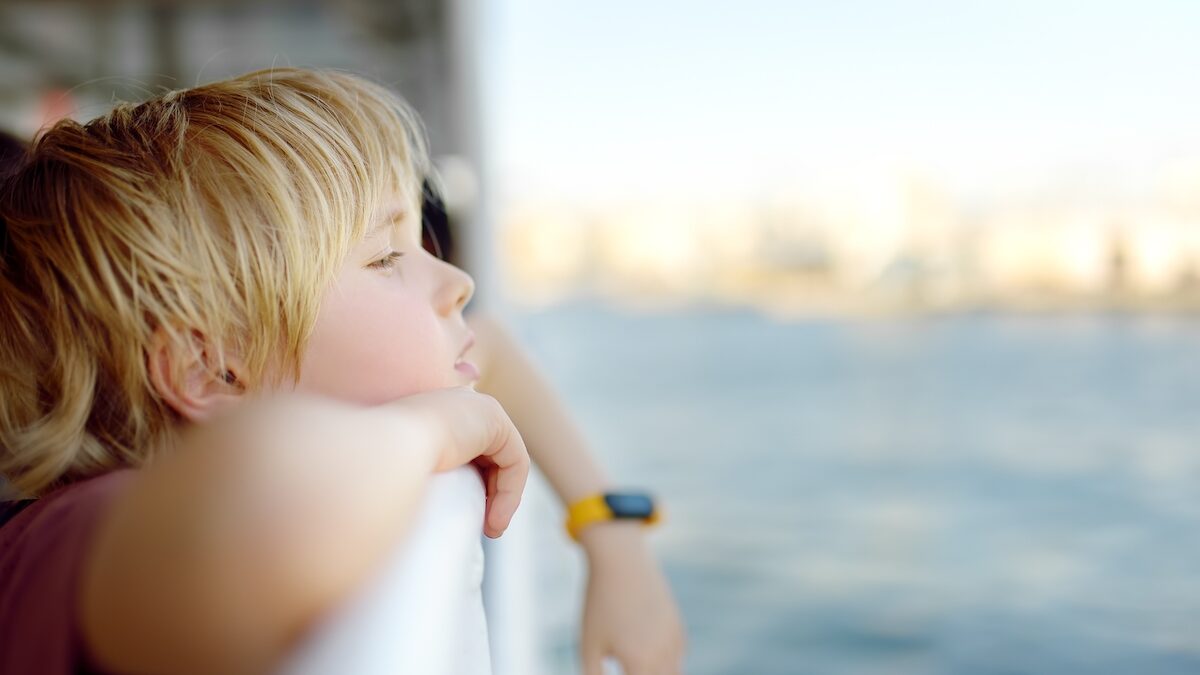
Pilarín Bayés’ diagnosis of the current children is clear. She describes days that include school, extracurricular activities, then leisure centers that fill every hour. In La Vanguardiashe states that “Children today have very structured days. Giving them completely free time is important so that they can explore and discover for themselves”. She fears that these times where we hang around, where we don’t yet know what to do, will disappear.
Psychologists describe boredom as a useful signal that pushes the child to invent a game, to explore, to know himself better. Letting children be bored strengthens their creativity, their autonomy and their ability to regulate their emotions, especially if these moments take place without screens. The “blank time” defended by Bayés therefore joins a recommendation widely shared by specialists.
Let the children be bored, and also accept our white times
Several specialists cited by parenting sites suggest limiting regular activities to one per week in primary school, two in middle school, in order to keep real afternoons free. In the spirit of slow parenting, it’s about planning time in the family calendar without appointments or screens, with just a few books, toys or a drawing pad, and putting up with the famous “I’m bored” without panic.