
Technically, there is no ideal time to go to the bathroom. Some people are as regulated as clockwork and find their way to the little corners every morning, while others complain of a somewhat slow transit. But if this is your case, there are several steps you can take today, such as drinking enough water every day or consuming more fiber. But an unexpected ally also awaits you in the kitchen.
Chickpeas to the rescue
This ally is found in a can or jar, it is chickpeas. “Chickpeas are rich in plant proteins and micronutrients and fit perfectly into a diet aimed at promoting good intestinal transit.
assures Julie Boët, dietitian nutritionist.
Thus, a 100 g serving of cooked chickpeas provides approximately 7 to 8 g of fiber, the majority of which is insoluble fiber.
“These fibers play a key role: they increase the volume of stools, accelerate their progression through the colon and facilitate their evacuation. Result: regular transit and better-formed stools.”
In addition, the soluble fibers they contain nourish good intestinal bacteria, promoting a balanced microbiota, essential for harmonious digestion. Chickpeas also contain fermentable sugars (FODMAPs), which, consumed in reasonable quantities, stimulate intestinal peristalsis. “However, very sensitive people must adapt the quantities to avoid digestive discomfort. nuances the expert.
Hummus and raw vegetables, the fresh snack that can soothe you
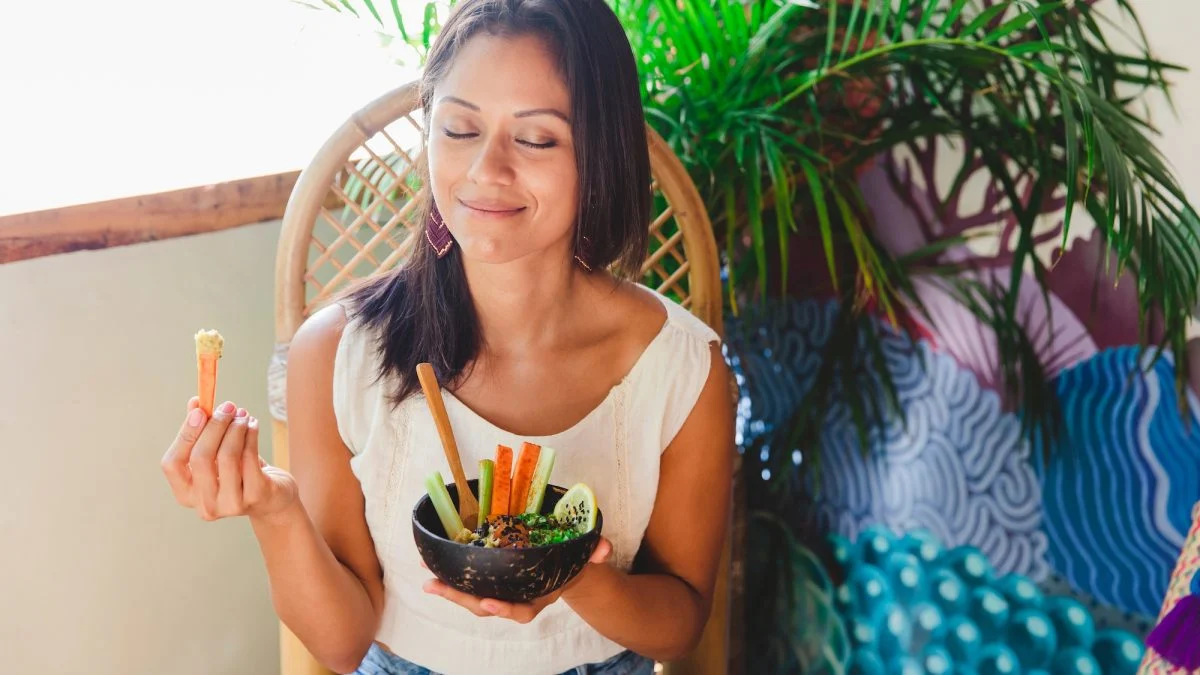
But snacking on chickpeas at snack time or at the start of the evening is not always easy. This is why our expert advocates for a snack in the form of hummus, a chickpea puree in which you can dip carrot sticks for example, when you’re feeling a bit hungry.
“In hummus form, chickpeas become a convenient and tasty snack. The addition of tahini (sesame puree), olive oil, lemon juice and garlic provides unsaturated fatty acids, antioxidants and bioactive compounds that also support digestive and cardiovascular health.”
Lemon also stimulates bile secretion, promotes the digestion of fats and the proper functioning of the liver, an organ potentially linked to transit.
“Incorporating hummus into a snack allows you to benefit from its benefits without increasing your caloric intake. It can be accompanied by raw vegetables (carrots, cucumber, celery) which also provide fiber and water, thus helping to hydrate the fecal bolus.”concludes our expert.
Our express pro-transit snack recipe
How to make this hummus? Julie Boët delivers her recipe, which can be made in just a few minutes.
- 100 g cooked chickpeas (rinsed and drained);
- 1 tablespoon of tahini;
- 1 tablespoon of lemon juice;
- 1 small clove of garlic (optional);
- 1 tablespoon of extra virgin olive oil;
- A little water to adjust the texture;
- A pinch of cumin and salt.
“Mix everything until smooth. Serve with carrot sticks, cucumber sticks and a few cherry tomatoes.”