
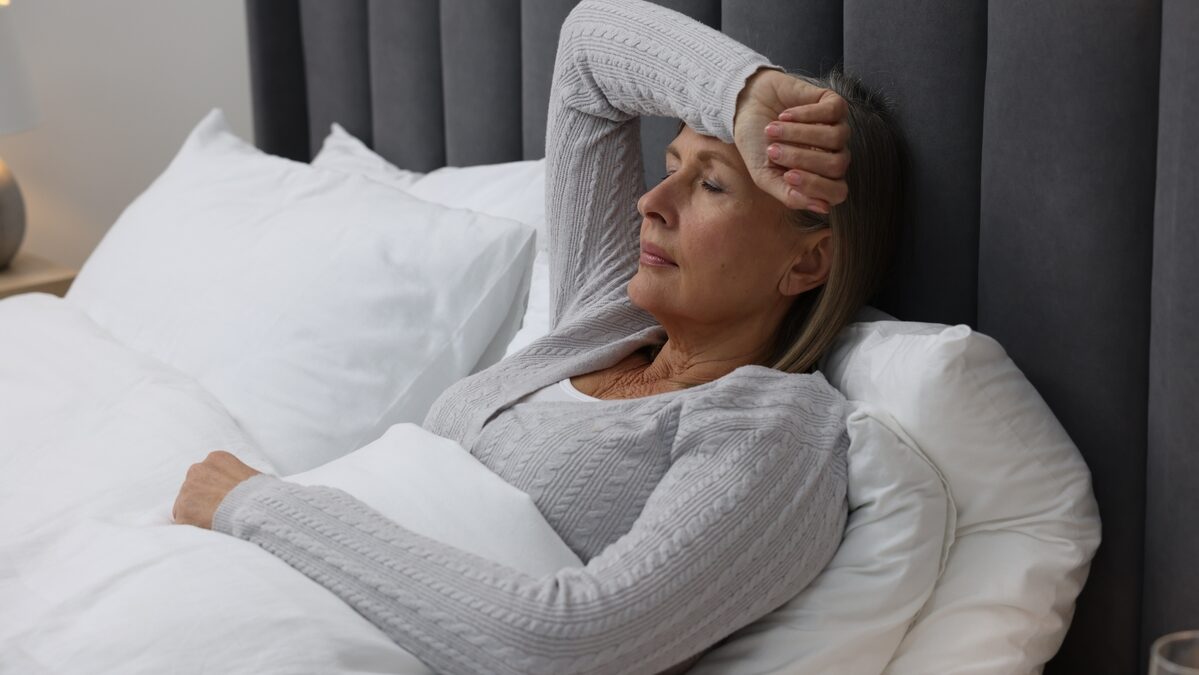
Last night, did you wake up with your pajamas soaked again? This scenario is far from uncommon in summer. When temperatures rise, the body sweats to release excess heat. But when these episodes repeat themselves for no reason or are accompanied by other symptoms, they sometimes deserve attention.
Sweating in summer: a very common symptom
Summer is hard to escape. When the temperature rises, the body naturally activates its cooling system. Result: we sweat, even during sleep. But sometimes we sweat excessively during the night.
“Night sweats are characterized by excessive and sudden sweating that occurs during sleep”confirms Dr. Gérald Kierzek, emergency physician and medical director of True Medical.
In the vast majority of cases, these sweats are simply linked to heat. A poorly ventilated room, a duvet that is still too thick, synthetic pajamas or a dinner with too much water are enough to encourage them.
Sometimes still, certain periods of life are involved and favor their appearance. This is particularly the case during menopause, where hot flashes appear in the middle of the night. Stress or anxiety can also play a significant role and cause you to sweat uncontrollably.
Night sweats: when should they be a cause for concern?
Most often, sweating disappears as soon as the temperature drops. On the other hand, if they continue even though the room is cool or they become almost daily, it is better not to blame them solely on the heat or summer.
“If despite reducing the temperature or wearing less warm clothing, night sweats persist or are accompanied by other symptoms, consult”recommends Dr. Gérald Kierzek.
A fever, unexplained weight loss, unusual fatigue, lymph nodes or a cough that sets in should also prompt you to consult. In some cases, these sweats can be linked to an infection, a hormonal disorder, a treatment or, more rarely, a more serious illness (cancer, etc.).
In other words, it is not the sweating itself that should alert you, but it is its persistence over time.
Some tips for sleeping better despite the heat
When temperatures don’t go down, even at night, a few micro adjustments can allow you (finally!) to recover.
- Ventilate the accommodation during the coolest hours;
- Close the shutters during the day;
- Choose cotton or linen sheets;
- Sleep in light clothing.
It is also better to avoid alcohol and very spicy meals before bed, which increase body temperature. Finally, remember to drink enough during the day to compensate for losses linked to sweating.
If, despite these measures, night sweats persist for several weeks or are accompanied by other symptoms, contact your doctor immediately who will be able to refer you.