
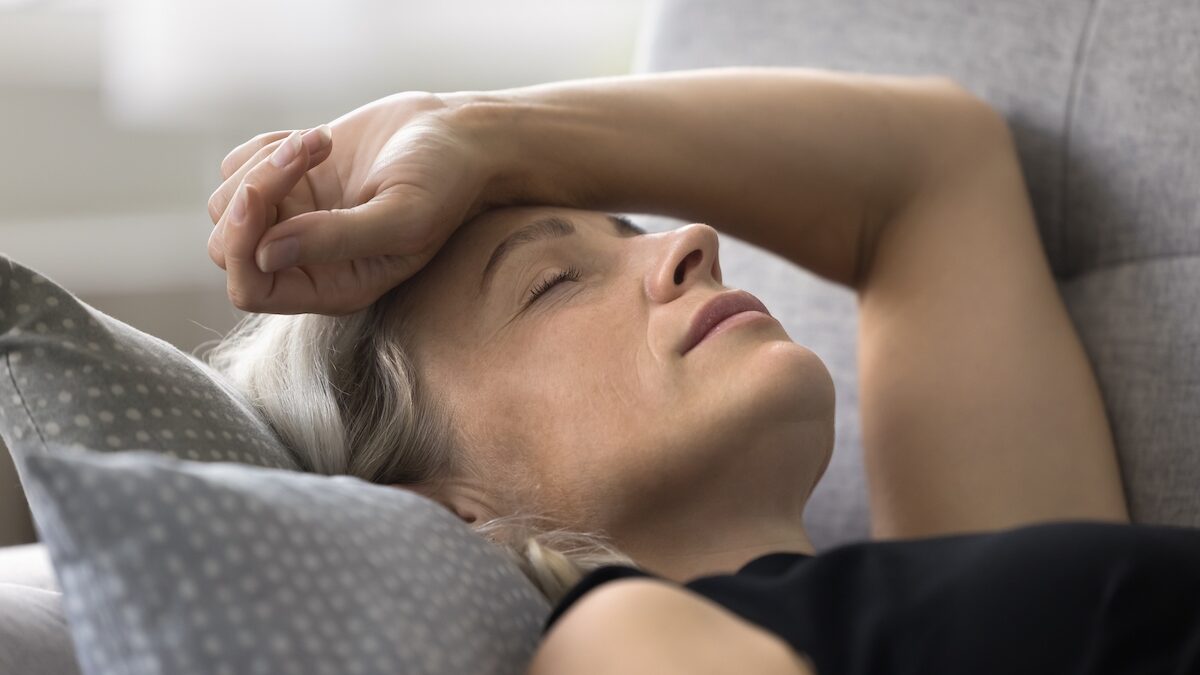
Unusual fatigue, changing periods or a more unstable mood are not necessarily the result of chance. For many women, these manifestations correspond to the first hormonal changes linked to perimenopause, a period which precedes menopause and which can extend over several years.
This transition generally occurs around age 45, but it can start earlier. In a video published on Instagram by Dr Olivier Marpeau, gynecological surgeon, a specialist also recalls that “things can happen well before the age of 45“.
What are the symptoms of premenopause?
Hormonal changes can affect both the body and emotional balance. Some women notice symptoms similar to premenstrual syndrome, but more frequent and sometimes more intense.
“Periods that change and become irregular, breast pain, a few extra pounds, nerves on edge, mood going in all directions, bloated stomach.“
These signs may also include hot flashes, joint pain or even a feeling of fatigue which gradually accompanies the arrival of menopause.
Faced with these changes, the specialist recommends not neglecting medical monitoring. He advises to “do a health check-up, a metabolic check-up with a complete blood test to check cholesterol, blood sugar, functioning of the liver, kidneys, thyroid“. This control makes it possible to monitor different health parameters which may change during this period.
How to live premenopause better?
A healthy lifestyle plays an important role in limiting the inconveniences linked to hormonal variations. Physical activity is one of the first tips put forward by the specialist.
He recalls that “we are far too sedentary and during perimenopause, that is unforgiving“. Regular exercise can help limit weight gain, improve mood and promote better daily balance.
For some women, hormonal contraception may also be considered when symptoms become difficult to bear. This possibility must, however, be discussed with a health professional in order to verify the absence of contraindications, particularly on the cardiovascular level.
On this subject, the specialist specifies that “nothing stops her from taking her pill again if she felt better with it“, while recalling that this decision requires a personalized medical evaluation.