
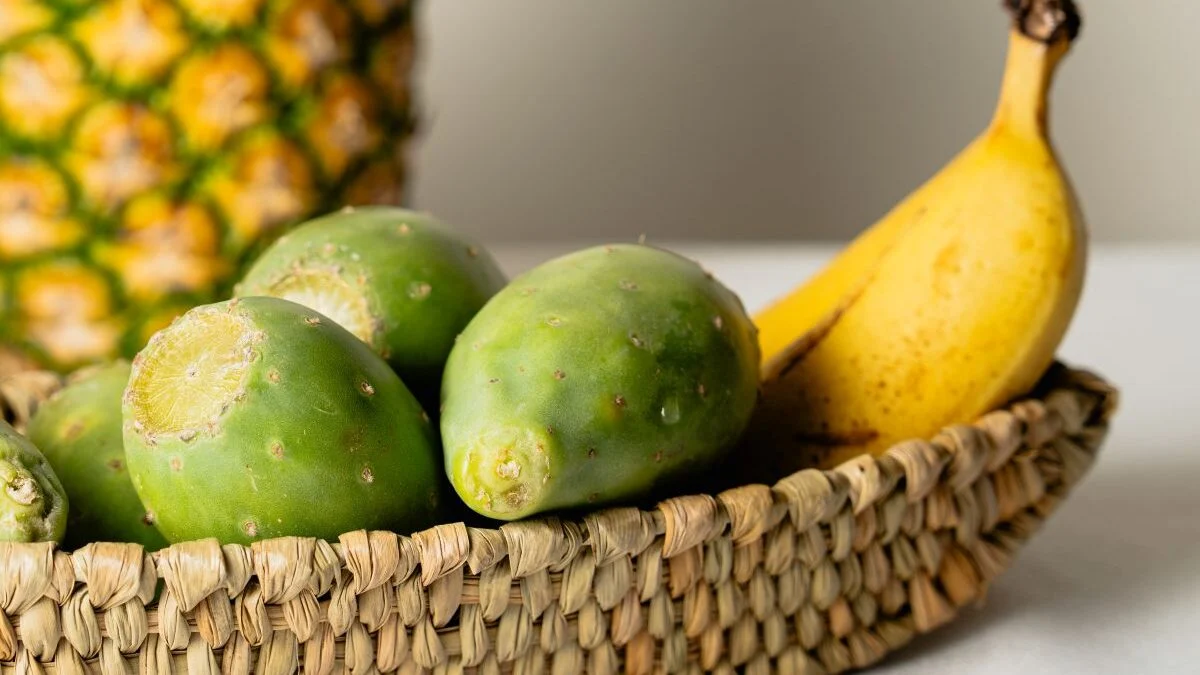
We often think of milk or food supplements for calcium. However, we forget that certain fruits can help us. This mineral remains essential for health. Unfortunately, many people do not consume enough of it on a daily basis.
One fruit stands out in a surprising way. According to American data, prickly pear is the fruit richest in calcium. One cup provides 83 mg of calcium. This represents almost a third of the calcium in a glass of milk. This cactus fruit has a sweet taste, between watermelon and strawberry.
The prickly pear, champion in all categories
A cup of prickly pears offers a very high calcium intake for a fresh fruit. Certainly, fruits do not replace dairy products or green vegetables. But they allow you to supplement your intake throughout the day.
Patricia Bannan is a dietitian in Los Angeles and author of the book “From Burnout to Balance.” She recalls that “Fruits are not the best sources of calcium compared to dairy products, fortified plant-based drinks or leafy green vegetables.”. However, she also emphasizes that they “can still add up over the course of the day“.
This fruit is consumed in several ways:
- Raw: in well-peeled quarters to avoid thorns;
- As a drink: mixed into a smoothie or refreshing juice;
- For dessert: prepared in colored jelly.
For people who do not consume dairy products, Patricia Bannan reassures : “A carefully planned plant-based diet can fully cover calcium needs, and fruits can provide a sweet and useful addition”, especially when it comes to this often overlooked fruit.
Calcium, fruits and daily needs: where does the prickly pear fit?
Calcium is not only used to strengthen bones and teeth. It also helps muscles function and blood circulate properly. For an adult, the needs are around 1,000 mg per day. Prickly pear adds a welcome dose to your day.
The National Institutes of Health (NIH) points out that this mineral plays other crucial roles:
- It helps in the release of hormones;
- It allows muscles to move;
- It helps the nerves transmit messages;
- It promotes blood circulation and coagulation when necessary.
In France, ANSES attributes exactly the same functions to calcium for the French population. This makes these daily contributions all the more strategic in the long term.
For the majority of adults, the National Institutes of Health sets requirements around 1,000 mg of calcium per day. A cup of prickly pears only covers part of this goal, but it will add smartly to the rest of the diet.
Patricia Bannan finally specifies that a 100% fruit juice enriched with calcium can provide a quantity close to that of a glass of milk. However, she reminds that it must remain a complement and not a substitute for whole foods naturally rich in calcium, which are more filling and richer in nutrients.