
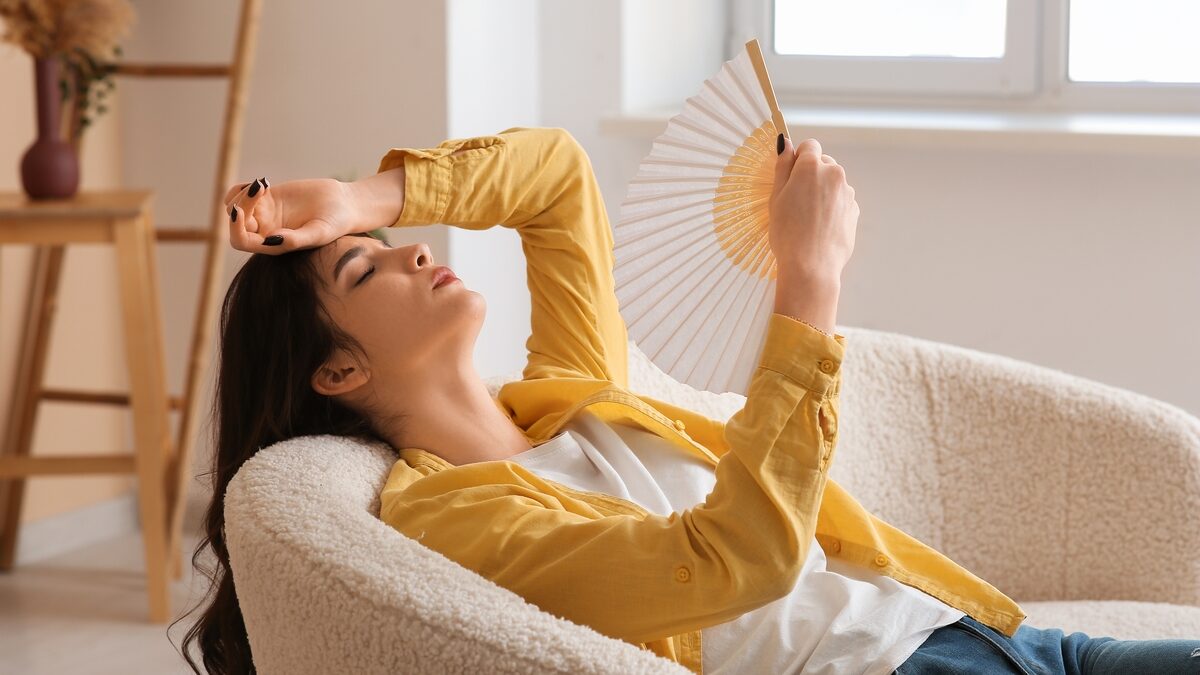
As France prepares to face its fourth episode of heatwave and peaks of 40°C are expected in the South-West, the same bad reflexes tend to resurface… (and put our body in difficulty). What are they and how to avoid them? Dr. Gérald Kierzek teaches us how to spot them to get through this new heatwave without danger.
Mistake #1: Keeping your routine intact
When temperatures rise, the body no longer functions in quite the same way: to maintain its temperature, it is called upon more. In other words, even if you feel in great shape, it is better to adapt to these high temperatures (and slow down significantly).
“In the middle of a heatwave, the most common mistake is to continue living as if nothing had happened, for example by maintaining a sporting activity or carrying out physical work during the hottest hours,” warns the medical director of True Medical.
Mistake #2: hydrating poorly
During periods of extreme heat, certain drinks can worsen dehydration.
“During an episode of extreme heat, drinking improperly (too little, too much alcohol or very sugary drinks, even ice water) can be very dangerous,” warns the emergency doctor.
Mistake #3: Living in housing that is too hot or too cold
If being at home is often the first instinct in the event of extreme heat, a few bad habits are enough to quickly cause the indoor temperature to rise.
“The third mistake during the heatwave is to poorly manage the temperature in your home: opening the windows in the middle of the day, not closing the shutters or curtains, or setting the air conditioning much too low instead of limiting the distance from the outside to 5 to 7°C,” warns Dr. Gérald Kierzek.
Mistake #4: Taking too many freezing showers
Faced with the heat, the temptation is great to splash yourself with ice water. However, this is a big mistake.
“Often, we tend to take ice showers or baths to cool off. However, the sudden contrast in temperature can lead to thermal shock,” alerts the medical expert.
Mistake #5: Underestimating the risks
The heatwave does not affect everyone in the same way. Children and the elderly remain most exposed to complications.
“Finally, we must never minimize the risks to which the most vulnerable people are exposed. Leaving a child or an elderly person in a car, or alone in an overheated home, can have dramatic consequences,” concludes the doctor.