
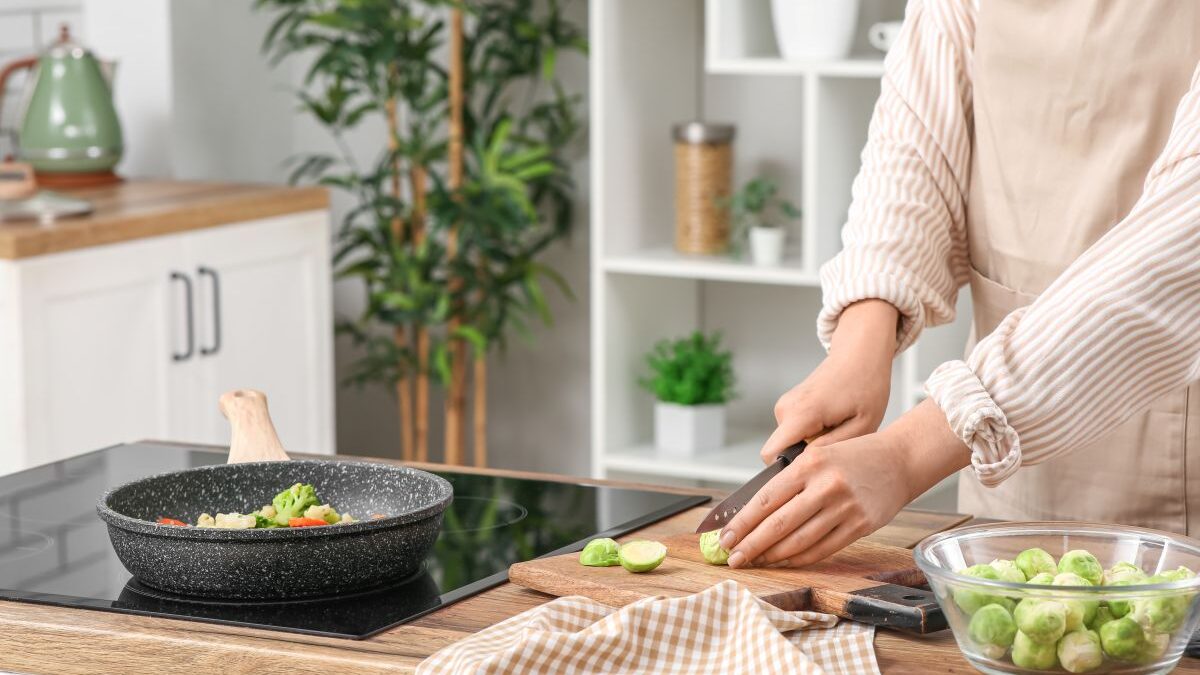
Brussels sprouts may be a winter staple, but they don’t always win the vote at the table. Their bitter taste is sometimes enough to discourage children, but also the most reluctant adults. However, there is a simple trick to soften their flavor during cooking: add a small amount of sugar to the water.
This gesture does not require any particular technique or complicated ingredient. A pinch of sugar, or even up to a tablespoon depending on the amount prepared, can help balance the bitterness of the Brussels sprouts. Combined with good preparation and prior blanching, this method produces vegetables that are softer and more pleasant in the mouth.
Why sugar can reduce the bitterness of Brussels sprouts
The bitterness of Brussels sprouts can also change under the influence of cold. When they remain exposed to low temperatures, some of these substances turn into sugars, which can make their flavor milder.
It is therefore possible to partly reproduce this effect at home by placing the cabbages in the freezer for a few hours before cooking them. But another tip comes directly during cooking: add a little sugar to the water.
Quantities vary depending on methods. However, the idea is not to make the choux sweet, but to rebalance their taste. While allowing some of the bitter compounds to diffuse into the water.
How to Prepare Brussels Sprouts Before Cooking
The result also depends on the preparation of the vegetables. Start by removing the outer leaves, then slightly shorten the core. This is where some of the substances responsible for bitterness can concentrate.
A small cross-shaped incision at the base of each cabbage can also make cooking easier. The heart then heats more easily, which allows for more even cooking without having to leave the vegetables in the water for too long.
Blanching is another interesting step. It consists of immersing the cabbages in boiling water for approximately 3 to 5 minutes. To go further, this first water can then be discarded before continuing cooking in a pan of clean water. This method allows you to eliminate some of the bitter compounds that have migrated into the water.
This is when the sugar can be added to the new cooking water, always in small quantities. The cabbages can then finish cooking for around ten minutes, depending on their size and the desired texture.
How to Make Oven Roasted Brussels Sprouts
If you prefer to avoid simply boiling Brussels sprouts, the oven produces a very different texture, with slightly crispy leaves and a tender center.
After preparing and blanching them, simply drain them carefully before placing them in the oven. Cooking at 200°C for around 20 to 25 minutes produces nicely browned choux pastry. For an even crispier version, the time can be extended to 45 or 50 minutes.
A few simple finishes can then balance their flavor. A squeeze of lemon juice brings a touch of acidity, while a small amount of butter softens the whole thing. With sugar added to the cooking water, blanching and well-controlled cooking, Brussels sprouts can completely change their face at the table.