
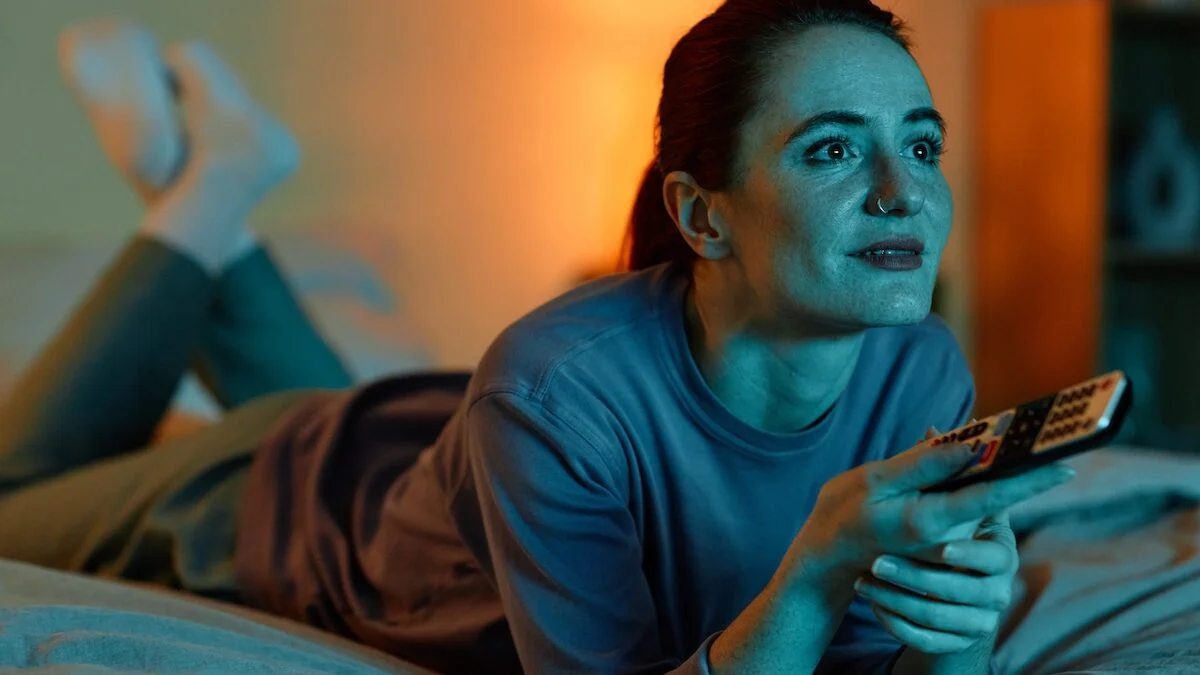
You promised to only watch one episode, then a second… and in the morning, the entire season is over. Binge-watching, popularized by Netflix and streaming platforms, has become a global phenomenon. But behind this seemingly innocuous habit, an Italian study reveals a disturbing link between this practice and emotional violence suffered during childhood.
When binge-watching reveals old wounds
The results “suggest that higher levels of emotional abuse, narcissism and dysregulation are associated with increased binge watching“, according to the researchers. Concretely, harmful behaviors adopted by authority figures – such as mockery, rejection or constant criticism – can have a lasting impact on children and have repercussions in adulthood.
The authors of the study specify: “People with vulnerable narcissism typically have fragile self-esteem, making them very sensitive to criticism or perceived insults. As a result, they tend to react emotionally and feel vulnerable when their self-esteem is undermined or when feelings of shame and inadequacy arise. Additionally, vulnerable narcissists are prone to being hypersensitive to rejection and abandonment, often misinterpreting neutral or ambiguous cues as signs of rejection. As a result, they may experience intense emotional reactions such as sadness, anger or anxiety. This hypersensitivity to rejection can create difficulty regulating their emotions effectively, as they are more likely to have heightened emotional reactions to threats to their self-worth.“.
Series as an emotional escape
For those who struggle to manage this emotional intensity, binge-watching can become an escape. By immersing themselves in fictional stories, individuals find a way to divert their attention from their own reality. “Binge watching is increasingly recognized as a form of escape and emotional regulation. People who are experiencing intense emotional distress can use binge watching to disengage from their real-life problems by immersing themselves in fictional narratives.“, explain the researchers.
Series are therefore not just entertainment. For some, they constitute a temporary refuge from overwhelming emotions, sometimes inherited from much older wounds.