
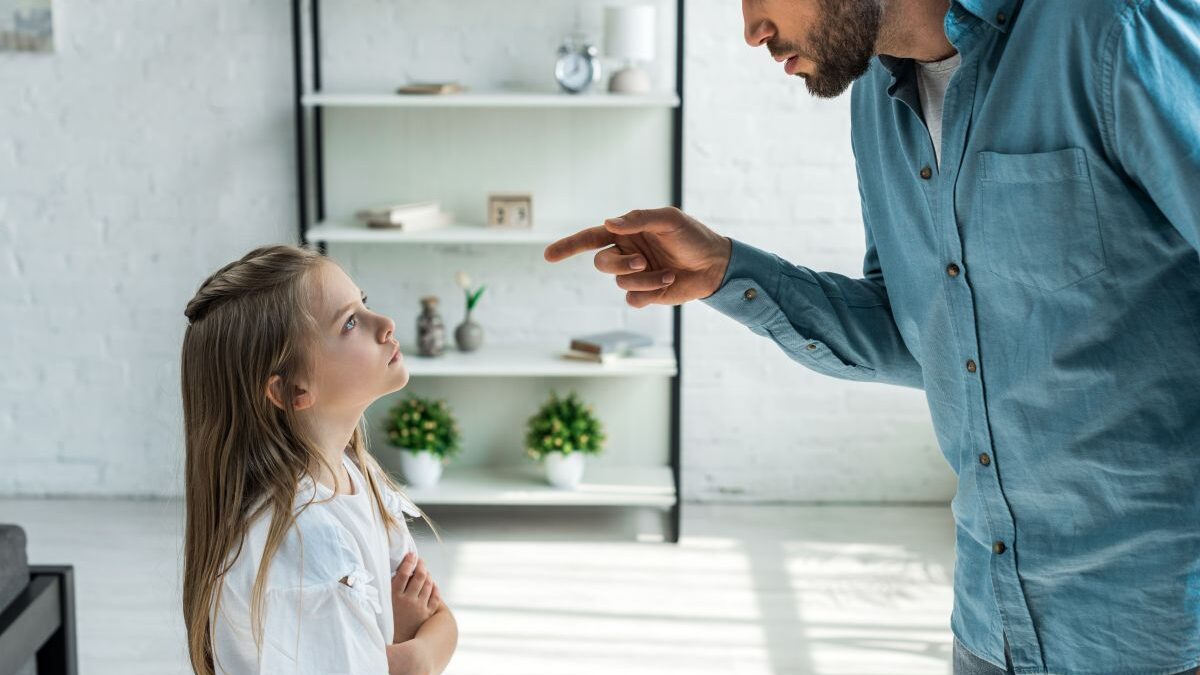
Your child has just hit his brother or called you an insult. The reflex is almost automatic: you demand immediate “forgiveness”.
However, this instruction does not work. According to Spanish psychologist Javier de Haro, a specialist in parenting and family development, we should first observe our own reactions before imposing this rule on the little ones.
Why forced forgiveness does not work for children
During an interview given to the Spanish site The ConfidentialJavier de Haro points out a real contradiction in everyday life.
“It is inconsistent to tell them they need to apologize when what they see us doing is precisely the opposite: yelling, disrespecting, blowing up and justifying it or, quite simply, pretending nothing happened“, he explains. His comments, widely reported by the Spanish-speaking press, highlight a lack of alignment in our educational habits.
“One of the reasons children don’t apologize is that we don’t teach them.”specifies the psychologist. Children record everything they see. Seeing a parent acknowledge unjustified anger or offer a genuine apology leaves more of a lasting impression than a quick “What do we say?”
In the online newspaper Infobae, the expert describes these repetitive requests as “automatic forgiveness”, totally emptied of its meaning and empathy.
Many adults fear losing their credibility. The expert wants to be reassuring: “If we, as parents, apologize for having spoken to them in an inappropriate tone, this does not make us lose authority, quite the contrary”he says. Providing a sincere apology builds trust and respect in the home.
Fix the mistake rather than repeating a formula
Saying a word is not enough if the attitude does not change. “Forgiveness is not said, it is done“, recalls Javier de Haro. The idea is to invite the child to think about what happened to understand how to avoid hurting again. Concrete action counts as much as polite words.
“The first step for them to learn to apologize and to feel it from the bottom of their hearts is found in us, in our example, in our attitude”he insists on the El Confidencial website. He also suggests moving away from looking for someone to blame: parents benefit from assuming their share of responsibility, managing their own emotions and showing how to repair a relationship after an argument.
What to do when your child refuses to apologize?
In consultation, the question keeps coming up: “He doesn’t want to hear anything and refuses to apologize“In this case, there is no need to insist.”Give it time, many times we don’t ask for forgiveness because we are very upset and we don’t see clearly what happened or, quite simply, we don’t understand what happened“, explains the psychologist.
Letting the pressure drop allows you to come back to the event cold, with more calm.