
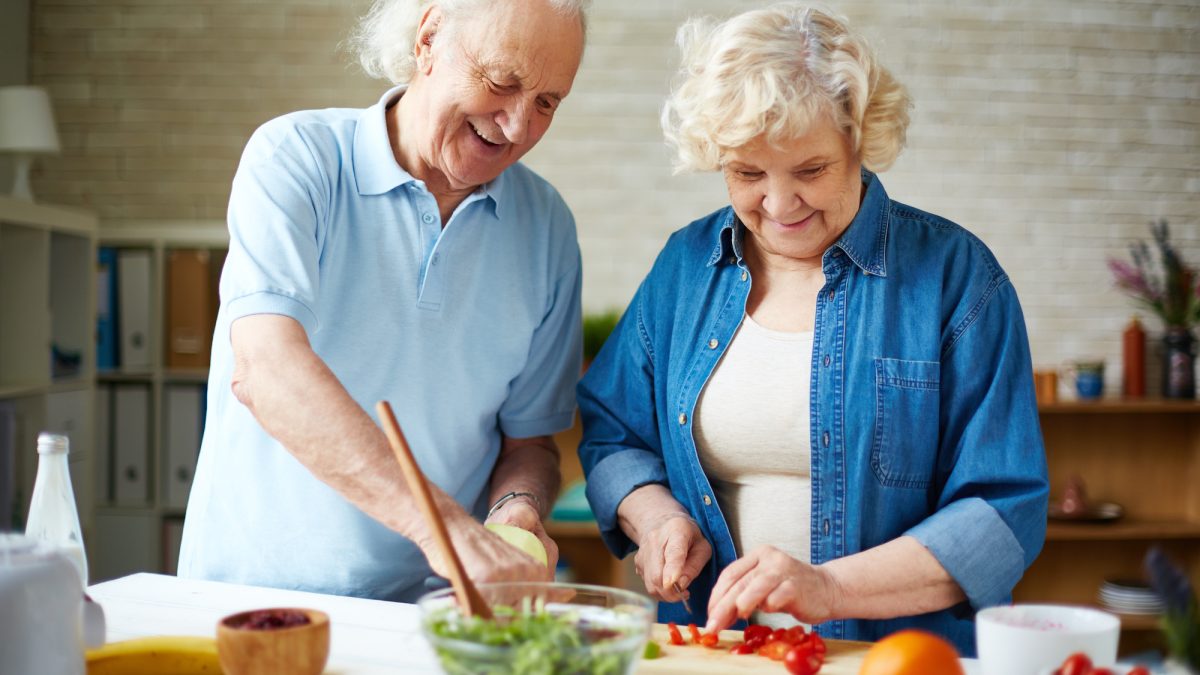
Over the years, you sometimes notice small forgetfulness or slight fatigue when concentrating. This is a completely normal course, but rest assured: this decline is not inevitable.
A reversible concept: everything happens on the plate
Interviewed by the Spanish media Sanitas, Doctor Manuel Antón, geriatrician at the Cáceres university hospital complex, recalls that cognitive fragility is a dynamic, bidirectional and above all reversible concept of aging, on which we can act.
To keep your ideas clear, there is no need to look for complicated solutions. Your memory’s best ally can be found right in your kitchen. Doctor Manuel Antón confirms this: it has been shown that diets, such as the Mediterranean diet, rich in plants and olive oil, provide quantifiable benefits at the cognitive level.
The best ingredients to nourish your memory
To take care of your neurons on a daily basis, rely on raw and colorful products. Eva M. Bautista, nutritionist with the Blua Sanitas telemedicine service, recalls that following a balanced diet that includes nutrients is essential for the brain. Foods rich in antioxidants, essential fatty acids and specific vitamins improve cerebral circulation and protect nerve cells from premature aging.
Concretely, stock up on blueberries, strawberries, oranges, but also broccoli and spinach. These plants are full of antioxidants and vitamin C. Eva M. Bautista adds that there are foods that, thanks to their nutritional properties, can help strengthen memory and concentration and reduce the risk of cognitive deterioration in the future.
Here are your essentials for the week:
- Oily fish (salmon, mackerel, tuna) two to three times a week for their precious omega 3;
- A handful of almonds, walnuts or hazelnuts;
- Legumes like lentils, chickpeas and beans;
- Dark chocolate with 85% cocoa;
- Extra virgin olive oil, to use every day.
Move, stimulate and consult: the winning trio
Eating healthy is a great foundation, but it’s not everything. For Doctor Manuel Antón, these good eating habits only make sense in a global context. He recalls that in this area, nutrition, physical exercise and cognitive training have demonstrated their effectiveness, especially when we intervene as early as possible. Walking, doing crosswords, seeing people and cooking fresh foods form the best shield for your brain.
Be careful, however, not to change everything overnight without thinking. Miryam Piqueras, director of clinical governance at the health organization Sanitas Mayores, insists on caution: it is always recommended to consult a specialist before making any changes in diet, especially for older people who have pre-existing health conditions or are taking medication.
Consulting a professional will allow you to receive personalized guidance and prevent problems such as short-term memory loss, difficulty remembering names or dates, or problems with attention and concentration in everyday tasks. A simple discussion with your doctor will allow you to adapt textures, portions and snacks to your real needs, to take care of yourself with complete peace of mind.