
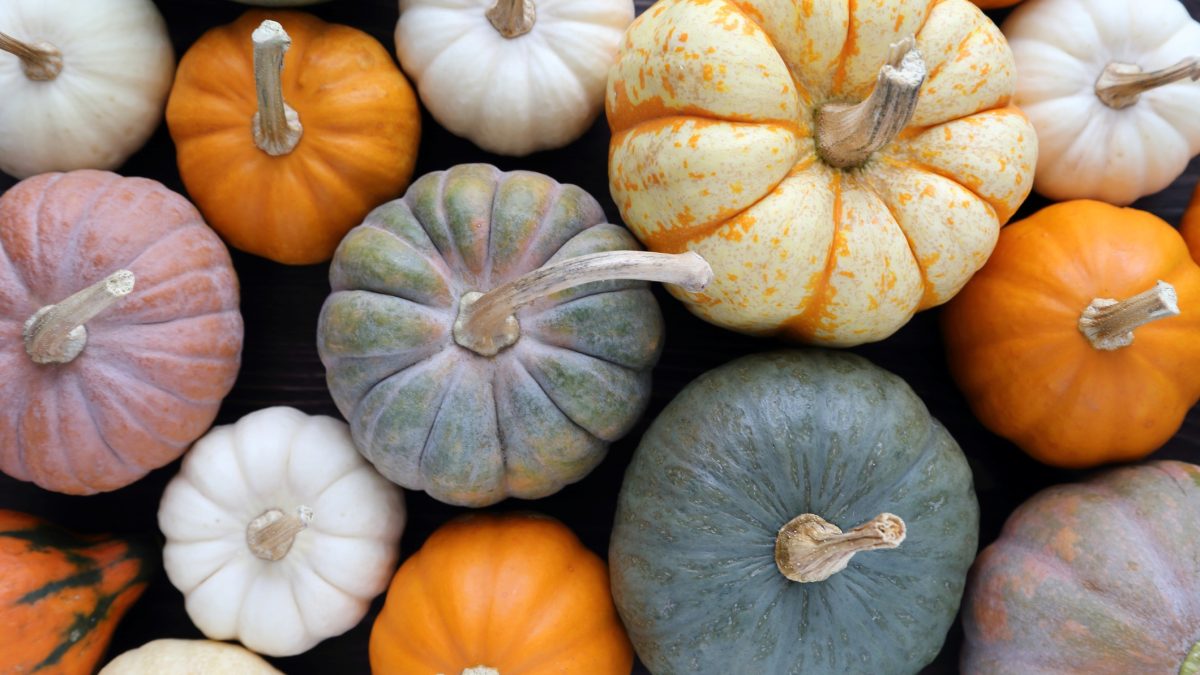
Squash season has finally arrived, and with it, a risk unknown to everyone. ANSES (National Agency for Food, Environmental and Occupational Health Safety) reminds consumers that not all squash are edible and some can cause food poisoning, sometimes very serious.
Watch out for bitter gourds
Some gourds, bitter gourds, are toxic. They contain cucurbitacins, “very irritating and bitter substances which can be responsible very quickly after ingestion for digestive pain, nausea, vomiting, sometimes bloody diarrhea, or even severe dehydration requiring hospitalization,” explains ANSES.
The squash responsible for this poisoning include “ornamental squashes such as colocynths, all considered toxic, which are sold commercially (sometimes in the fruit and vegetable section) for strictly decorative use, and which should not be confused with edible squashes. This is also the case for certain edible squashes grown in the family vegetable garden, which become unfit for consumption following wild hybridizations”, indicates ANSES on its site.
Frequent poisoning
Recognizing a bitter gourd from an edible gourd is difficult, if not impossible, since the two gourds look similar. This is why they are the most frequent cause of poisoning recorded by poison control centers, after chestnuts and chestnuts. Between 2012 and 2016, 353 people presented mainly digestive symptoms. No deaths were reported but for 4% of them, the symptoms were pronounced or prolonged. In 54% of cases, the poisoning is due to a squash from the family vegetable garden and 46% to a squash purchased commercially.
Taste the squash if in doubt
To avoid risking food poisoning, ANSES recommends that consumers contact sellers and only buy varieties that you are sure of. If in doubt, the poison control center advises tasting a small piece of the squash.
“If the taste is bitter, spit it out and throw away the squash: it should not be eaten, even cooked.” The taste should be mild or sweet. In addition, the health agency recommends not consuming wild squash and not collecting seeds from previous harvests to resow them. “Buy new seeds for each new seed in the vegetable garden.”
In the event of a medical emergency, heavy digestive bleeding or loss of consciousness, call 15 or go to the emergency room.
In the event of other signs of poisoning (digestive disorders, etc.): call the poison control center or consult a doctor.