
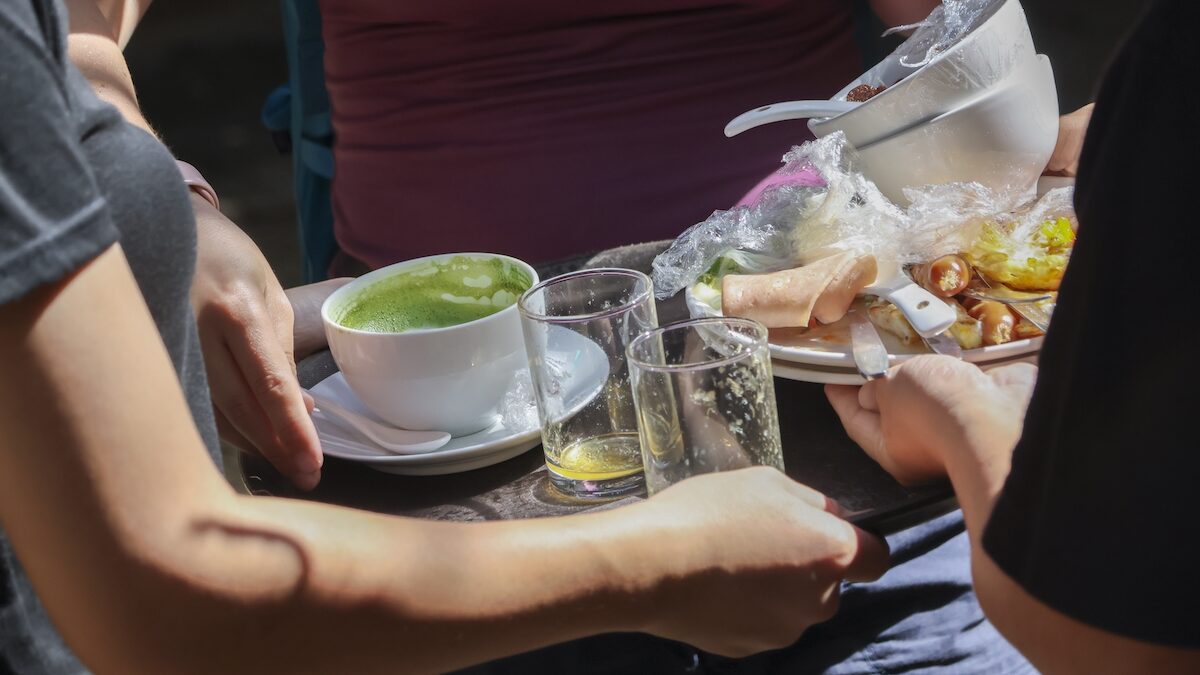
In a restaurant, a detail at the end of the meal is sometimes enough to draw your psychological profile. When the waiter arrives to clear, some stay still, others stack the plates, gather the cutlery, move the glasses. This micro-ritual, the act of helping the waiter clear up, intrigues psychology and etiquette specialists: learned politeness, empathy or the need to control space?
Journalist Lachlan Brown, a specialist in human behavior, devoted an article to this gesture to Geediting. Many talk about prosocial behavior, active empathy, but also sometimes the need for order. Clearly, the same stacked plate can reflect different intentions; It’s all about how you think about the server…and yourself.
A great show of empathy
For Lachlan Brown, this gesture first translates “the immense respect these individuals have for the space of others“. He writes that “cleaning up after eating in a restaurant is not just about order, it is about recognizing that this space is not just ours: it is shared with other customers, servers and restaurant workers“.
According to him, “these people are aware that their actions affect others. Their courtesy is a display of empathy, an understanding that their behavior can contribute to or ease the burdens of those around them“.
He finally associates this gesture with strong emotional intelligence, “the ability to understand and manage not only one’s own emotions, but also to feel empathy for others”, and with maturity: “Taking responsibility for your own actions, even if it is something as small as cleaning in a restaurant, is a sign of maturity and respect for others. It shows that you are not afraid to admit your mistakes and take steps to correct them.”
Beyond empathy, self-reflection
Helping to rid would also translate, for this author, “not only that we are aware, but also take responsibility for our behaviors and their consequences“. He sees it as a form of self-discipline: “discipline is not about what is right for us. It’s about doing what’s right, even when it’s not easy“.
Lachlan Brown writes again: “Oddly enough, those who clean up after eating at restaurants also tend to be meticulous“, because “Detail-oriented people are more likely to produce high-quality work and achieve their goals.“
Etiquette specialists especially advise grouping your cutlery, freeing up the edge of the table and asking the waiter what really helps.