
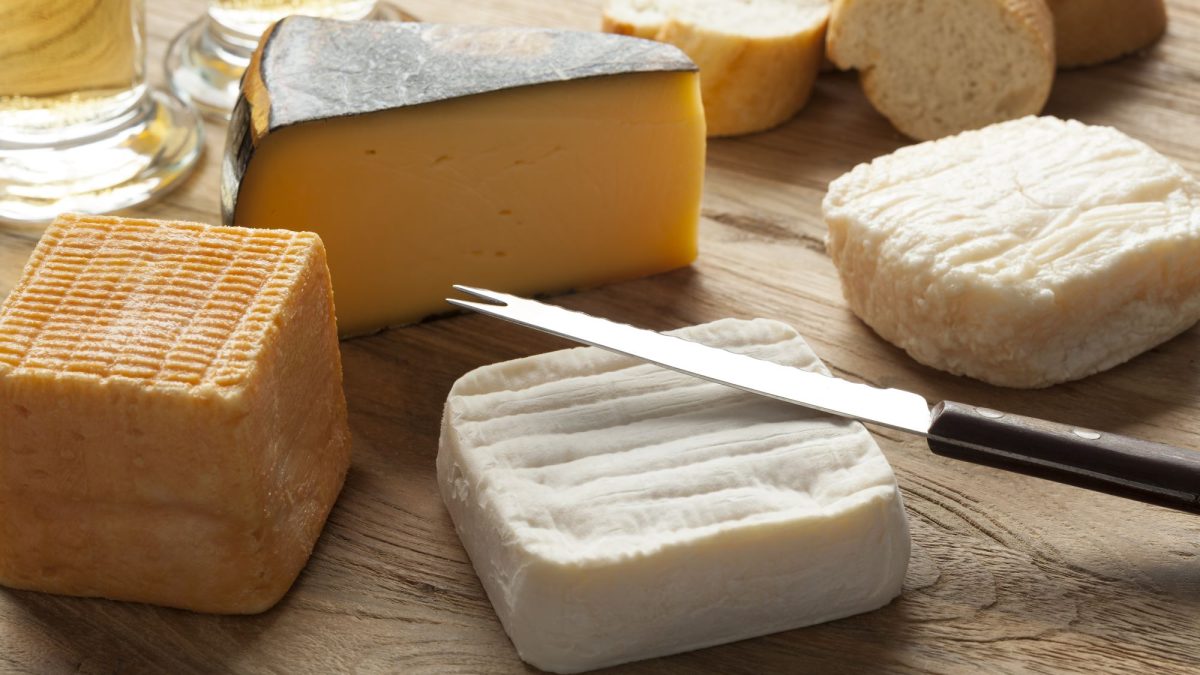
We often associate cheese with weight gain, especially when summer approaches and the stomach becomes a source of complexes. However, certain cheeses can perfectly find their place in a balanced diet.
The 4 cheeses that help better control weight
Cottage cheese, parmesan, part-skim mozzarella and feta have one thing in common: they all provide a lot of protein for a relatively moderate number of calories. While they obviously don’t “melt” abdominal fat, they can make it easier to maintain a calorie deficit by limiting cravings.
According to the media Gym And Newsa serving of cottage cheese provides about 14 g of protein for only 90 calories. It is also particularly rich in casein, a protein which prolongs the feeling of satiety. As a bonus, it fits easily into a salad of raw vegetables, quinoa or even red fruits.
For its part, partially skimmed mozzarella is also a good choice. For 30 g, it provides around 7 g of protein and 70 calories. Its melting texture makes it possible to replace cheeses richer in fat without sacrificing pleasure.
As for parmesan, it stands out for its very pronounced flavor. A 30g serving provides almost 10g of protein for around 120 calories. But its intense taste often allows you to make do with a few shavings, i.e. 10 to 20 g, on a salad of arugula, lentils or grilled vegetables.
Finally, feta provides around 5 g of protein for 80 calories per 30 g. Here again, its strong taste allows you to use a small quantity to spice up a homemade Greek salad.
Can they really act on abdominal fat?
No food can target this particular fat. On the other hand, these cheeses can contribute to a more satiating diet thanks to their richness in proteins, while providing relatively few carbohydrates. Combined with the calcium naturally present in dairy products, these proteins help you go longer between meals and limit snacking, two elements favorable to weight control.
Beware of salt
Parmesan and feta are particularly salty. Consumed in excess, they can promote water retention and give the sensation of a more swollen stomach.
To limit this effect, some dietitians recommend quickly rinsing the feta under water before consuming it and favoring small portions. The ideal remains to combine them with a large quantity of vegetables, fresh herbs and regular physical activity, essential for sustainably reducing abdominal fat.
How to include them in your meals?
A portion of 20 to 30 g of cheese is generally enough to benefit from its nutritional qualities. Combined with salads generous with colorful vegetables, legumes or whole grains, these cheeses allow you to compose balanced, satisfying meals that are perfectly suited to summer days.