
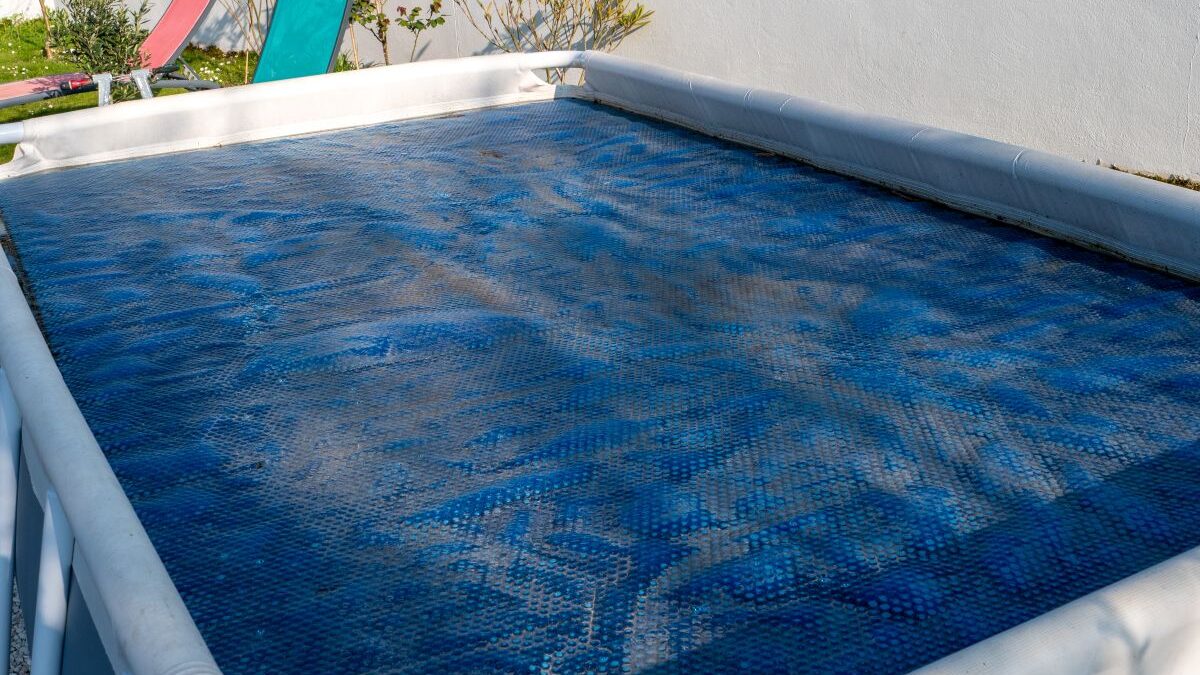
Who says hot weather, says opening the swimming pool to cool off. Unfortunately, the swimming season begins with a terrible tragedy. Monday June 15 in the evening, around 9 p.m., a 7-year-old child got stuck in an above-ground swimming pool in Lézignan-Corbières, in Aude. After climbing the ladder, the young boy fell into “the space between the protective cover and the edge of the pool“, write our colleagues from The Independent.
In great difficulty, the child was unable to put himself in a better position to escape from this trap. Quickly alerted, firefighters rushed to the scene. Unfortunately, when they arrived, the child was already in cardio-respiratory arrest and could not be resuscitated despite the intensive intervention of the emergency services.
While the exact circumstances of this tragedy remain to be clarified, this accident reminds us of the invisible dangers of private pools.
Drowning can occur silently, even in little water
This type of accident, still too common, occurs every year as soon as the sunny days arrive. The peak of drownings invariably occurs between June and September. The temporary or seasonal aspect of these installations often leads to less strict monitoring, with sometimes fatal consequences.
“This type of tragedy reminds us that vigilance remains the best prevention, including in so-called ‘safe’ swimming pools such as above-ground swimming pools.“, warns Dr. Gérald Kierzek, emergency physician and medical director of True Medical.
According to him, there is a false sense of security around shallow ponds installed in allotment gardens. And yet, the figures are clear: 60% of child drownings occur in private swimming pools, and one in four directly concerns family swimming pools.
“Drowning is not like the hectic scenes we imagine, it is often silent and quick, especially in cases of sudden loss of consciousness.”recalls Dr. Kierzek.
Dangers specific to above-ground swimming pools
In addition to the frequent absence of suitable safety equipment, it is useful to remember that these swimming pools that can be quickly assembled at home present their own risks.
Dr. Gérald Kierzek explains that these structures first offer access that is often too easy for children, who can climb the walls without supervision or effective protection.
In addition, the shallow depth of the pool proves to be deceptive and creates a false sense of security, because having a foothold absolutely does not prevent the risk of drowning. Without forgetting the frequently humid surroundings, which also encourage serious slips and falls.
Finally, the poorly protected filtration systems of these garden installations can generate suction zones that are highly dangerous for young people.
How to effectively secure your garden pond?
Several rigorous means exist to secure a self-supporting (inflatable pool) or tubular type swimming pool (maintained by a steel frame):
- A protective barrier: to completely prevent physical access to the pool;
- A removable ladder or locking device: the ladder must be systematically removed or secured after each swim to prevent climbing;
- A durable security blanket:
Be careful, a simple cleanliness cover is not the optimal solution to protect your pool. To be effective, the cover must comply with standard NF P90-308 in order to be able to support the weight of a child; - A swimming pool alarm: whether peripheral (infrared barrier) or submerged (fall detector).
The fundamental safety rules that apply to everyone
Faced with these major risks, active prevention remains vital. Dr. Kierzek recommends adopting fundamental rules of conduct, which are unfortunately too often neglected in daily life:
- Never swim alone, regardless of the person’s age or swimming level;
- Ensure constant, active and exclusive supervision by an attentive adult when swimming;
- Install standardized safety equipment (barriers, alarms, nearby rescue pole);
- Encourage learning to swim from an early age, as well as training parents in first aid;
- Continually raise children’s awareness of the risks of water, even at home.
What to do in an emergency?
If an accident nevertheless occurs, speed of execution is crucial. Immediately apply these three reflexes: call 15 or 112, remove the victim from the water if it can be done without danger, and immediately perform first aid procedures, in particular cardiac massage if the child is no longer breathing.
Every minute counts and vigilance must never weaken, as the medical director of True Medical emphasizes. “It only takes a few minutes of inattention, even in a shallow pool, for swimming to turn into a nightmare.“, concludes Dr Gérald Kierzek.
New national drowning prevention campaign
Each year, France records more than 1,000 accidental drownings, of which around 400 are fatal during the summer. These incidents mainly affect children and the elderly, often occurring in unsupervised swimming areas. To deal with this situation, the ministry is implementing its national drowning prevention campaign. As usual, this initiative aims to widely disseminate safety messages and encourage preventive behavior to avoid these tragedies. In 2026, this campaign is launched earlier than usual to respond to the increased risks due to high temperatures from spring.
© Ministry of Sports, Youth and Community Life